South Korea exports surge 53.2% to record on AI chip boom
AI demand pushed South Korea’s exports to a record $87.75 billion, with chips up 169.4% and memory prices turning Samsung and SK Hynix into market leaders.
South Korea’s export engine hit a new gear in May, as shipments jumped 53.2% from a year earlier to a record $87.75 billion, the strongest annual gain in more than four decades. The increase topped economists’ median forecast of 48.4% and marked the 12th straight month of year-over-year export growth, a sign that the global AI build-out is rippling far beyond Silicon Valley and into Asia’s industrial heartland.
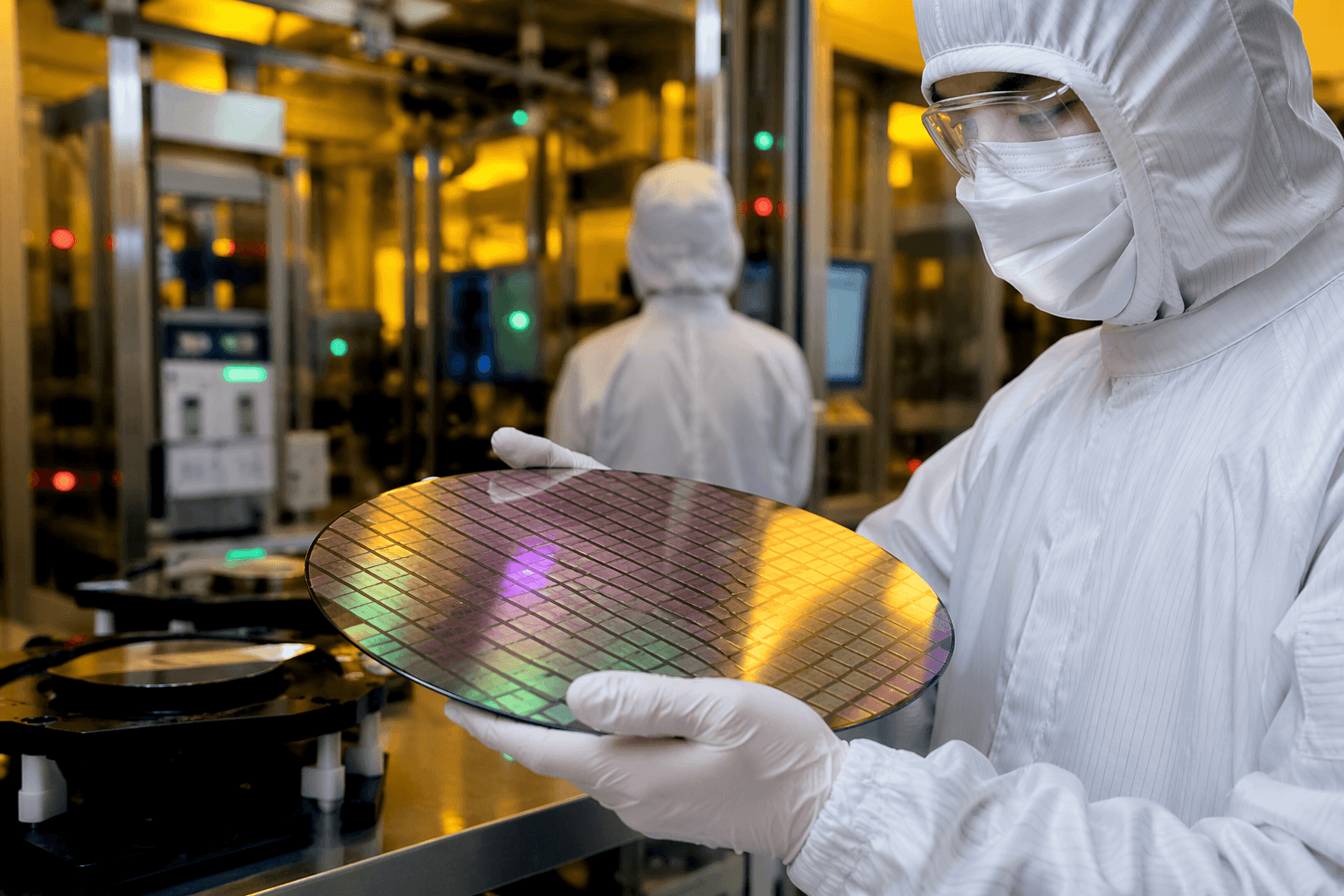
The clearest winner was semiconductors. Chip exports surged 169.4% to a monthly record $37.16 billion as memory-chip prices kept climbing, while computer exports soared 290.7% on demand for AI servers. That surge shows where the pricing power now sits in the AI economy: not just in software and model development, but in the supply chain that feeds the data centers behind it. For American tech firms, the message is blunt. Their AI ambitions still run through a narrow set of Asian manufacturing hubs, and South Korea has become one of the biggest beneficiaries of that dependence.
The rally has also transformed South Korea’s stock market. The KOSPI has become the world’s best-performing major equity market this year, rising more than 100% and reaching a record high on Monday. Earlier this month, on May 6, the benchmark first moved above 7,000 as AI-driven chip gains propelled Samsung Electronics past a $1 trillion market capitalization. SK Hynix has ridden the same wave, with profits surging alongside memory-chip prices.

The broader economy is feeding off that momentum. South Korea’s central bank raised its 2026 growth forecast to 2.6% from 2.0% last week after the economy posted its strongest growth in nearly six years in the previous quarter. The Bank of Korea kept its base rate unchanged at 2.50% on May 28, while warning that Middle East tensions and inflation pressures still posed risks. The country’s trade surplus also reached an all-time high of $26.95 billion in May, wider than April’s $23.75 billion.

The boom has not lifted every industry equally. Auto exports fell 5.9% in May, hit by supply disruptions in the Middle East and the impact of U.S. tariffs, while petroleum product exports rose on higher oil prices. Shipments to the United States and China climbed sharply, but exports to the Middle East declined. The pattern leaves South Korea more dependent than ever on AI-linked semiconductor demand, even as trade frictions and geopolitical shocks continue to distort the rest of its export base.
This article was produced by Prism’s automated news system from verified source data, official records, and press releases, then run through automated quality and moderation checks before publishing. The system is built and supervised by the people who set the standards it runs under. Read our full AI policy.
Did this article answer your question?

