South Korea prosecutors seek 13-year sentence for Unification Church leader Han Hak-ja
Prosecutors asked for 13 years for Han Hak-ja, accusing the Unification Church leader of trading luxury gifts and cash for access to Kim Keon Hee and a senior lawmaker.
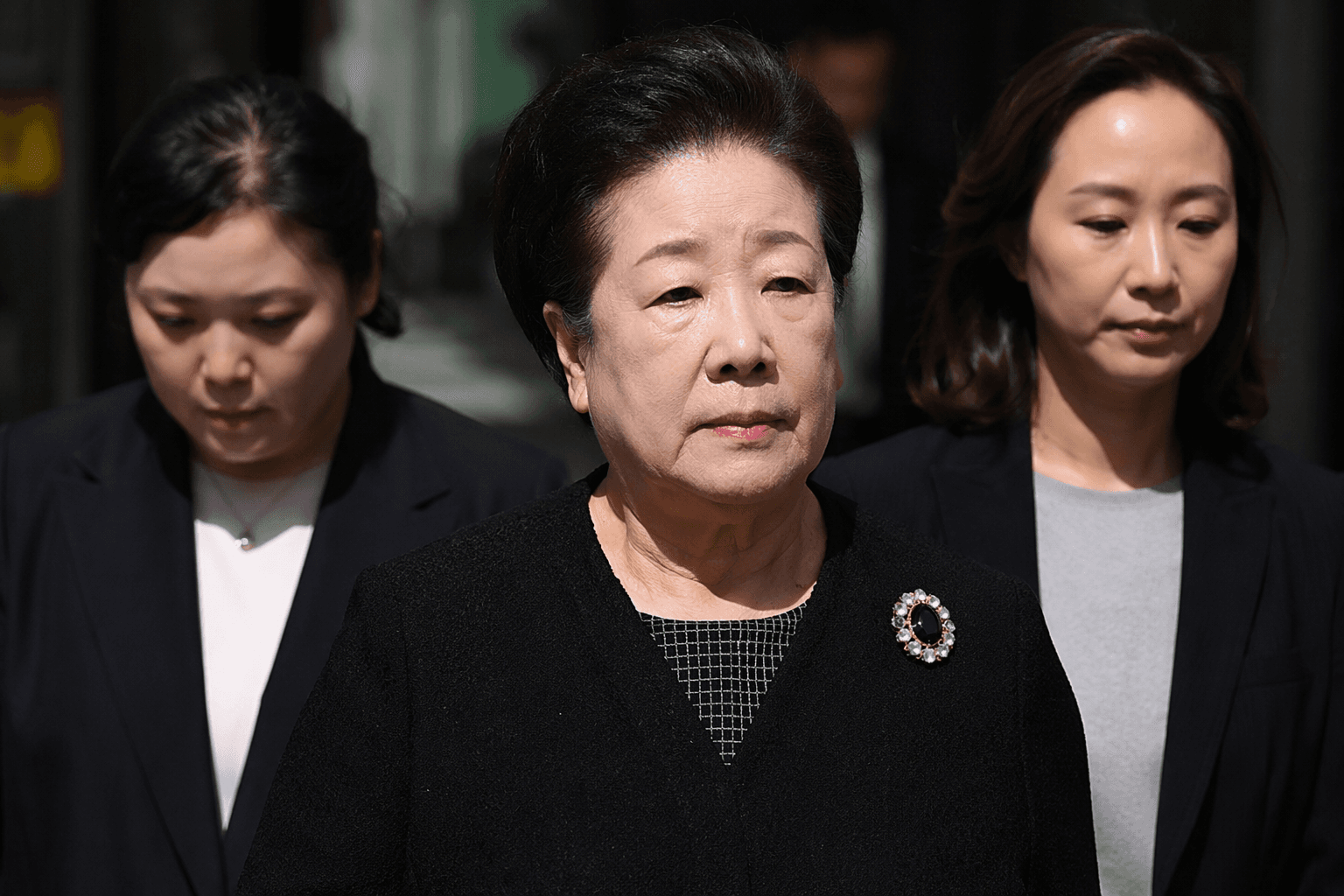
Prosecutors asked a Seoul court on July 10 to sentence Unification Church leader Han Hak-ja to 13 years in prison, putting one of South Korea’s most politically connected religious figures at the center of a widening corruption fight. The hearing, held in Seoul Central District Court Criminal Division 27 before Judge Woo In-seong, focused on allegations that Han tried to buy influence by arranging a luxury necklace and Chanel bags for former first lady Kim Keon Hee in July 2022 and by helping deliver 100 million won, about $66,400, to Rep. Kweon Seong-dong in January 2022.
Han denied the allegations and told the court she did not trade political influence for gifts. Prosecutors, however, have cast the conduct as more than a bribery case. They say it strikes at the constitutional separation of religion and state and at the integrity of representative democracy, especially because the money and luxury items allegedly moved through church intermediaries while Han was leading the Unification Church, also known as the Family Federation for World Peace and Unification.
The case has tightened around the political orbit of Yoon Suk Yeol’s presidency. Special counsel Min Joong-ki’s team launched its investigation into Kim Keon Hee on July 2, 2025, then expanded into church-linked allegations. A Jan. 29, 2026 court finding said the 100 million won delivered to Kweon came from Han’s private funds and quarters, strengthening the prosecution’s claim that the money was controlled at the top of the church hierarchy. Yoon later won the 2022 presidential election, and prosecutors say the payment was meant to position the church for help if he prevailed.
The sentencing request also covered other defendants, including Han’s former chief of staff and a former head of the church’s global headquarters. The Unification Church has long been controversial in South Korea and Japan, and the case has become a measure of whether prosecutors can press elite corruption charges all the way through when a powerful religious organization intersects with the governing class.
That scrutiny has intensified since the political fallout from Yoon’s rule. Yoon declared martial law on Dec. 3, 2024, was impeached and later removed, and separate special counsel investigations have since moved through his administration and family. Kim Keon Hee was sentenced on June 26, 2026 to seven years in prison for taking expensive gifts in return for job appointments and business favors, making the Han case part of a broader reckoning over influence-peddling at the top of South Korea’s political order.
This article was produced by Prism’s automated news system from verified source data, official records, and press releases, then run through automated quality and moderation checks before publishing. The system is built and supervised by the people who set the standards it runs under. Read our full AI policy.
Did this article answer your question?