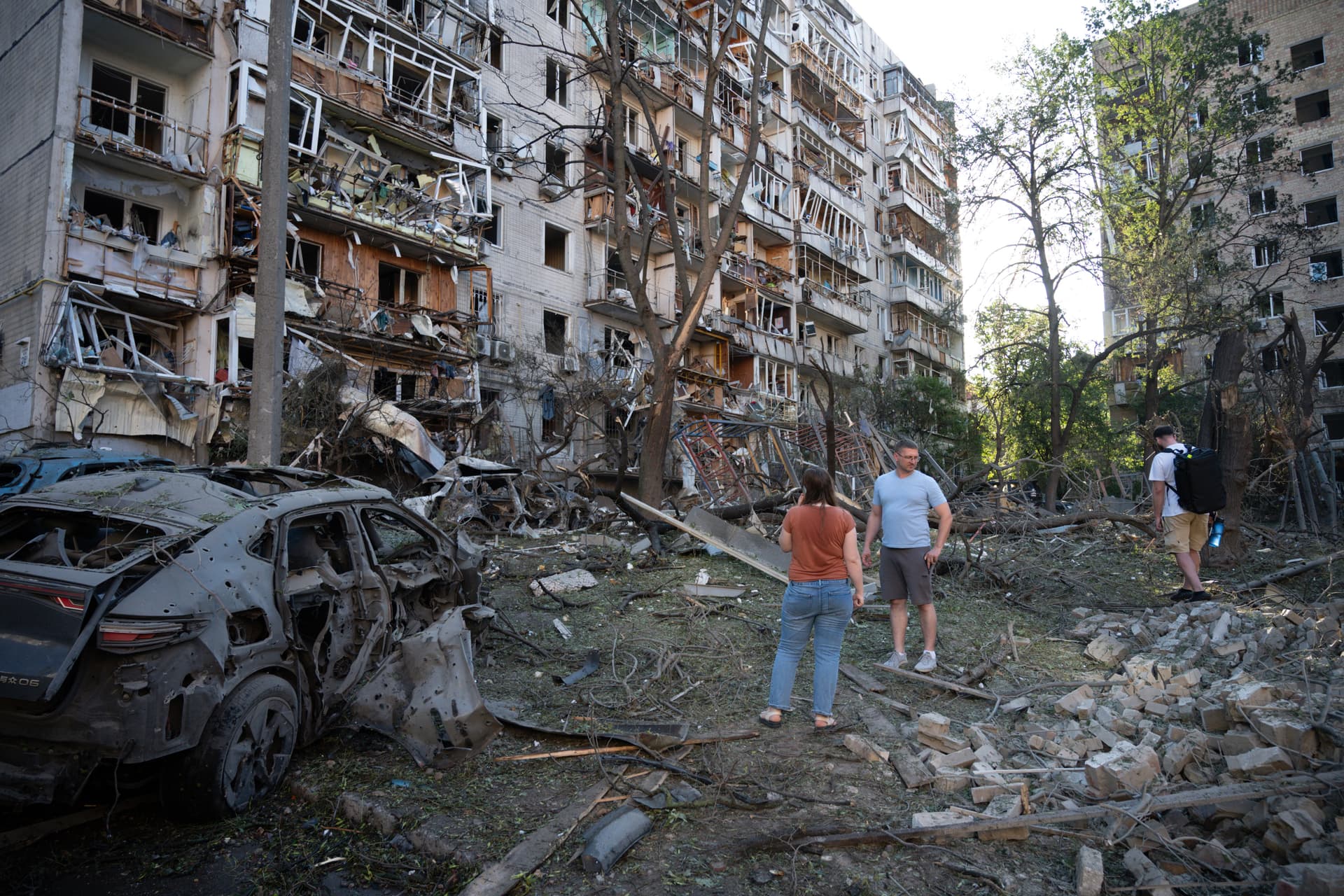
South Korea turns to AI care calls as aging population surges
AI is now calling older South Koreans twice a week as the country races toward a future where nearly half the population will be 65 or older.
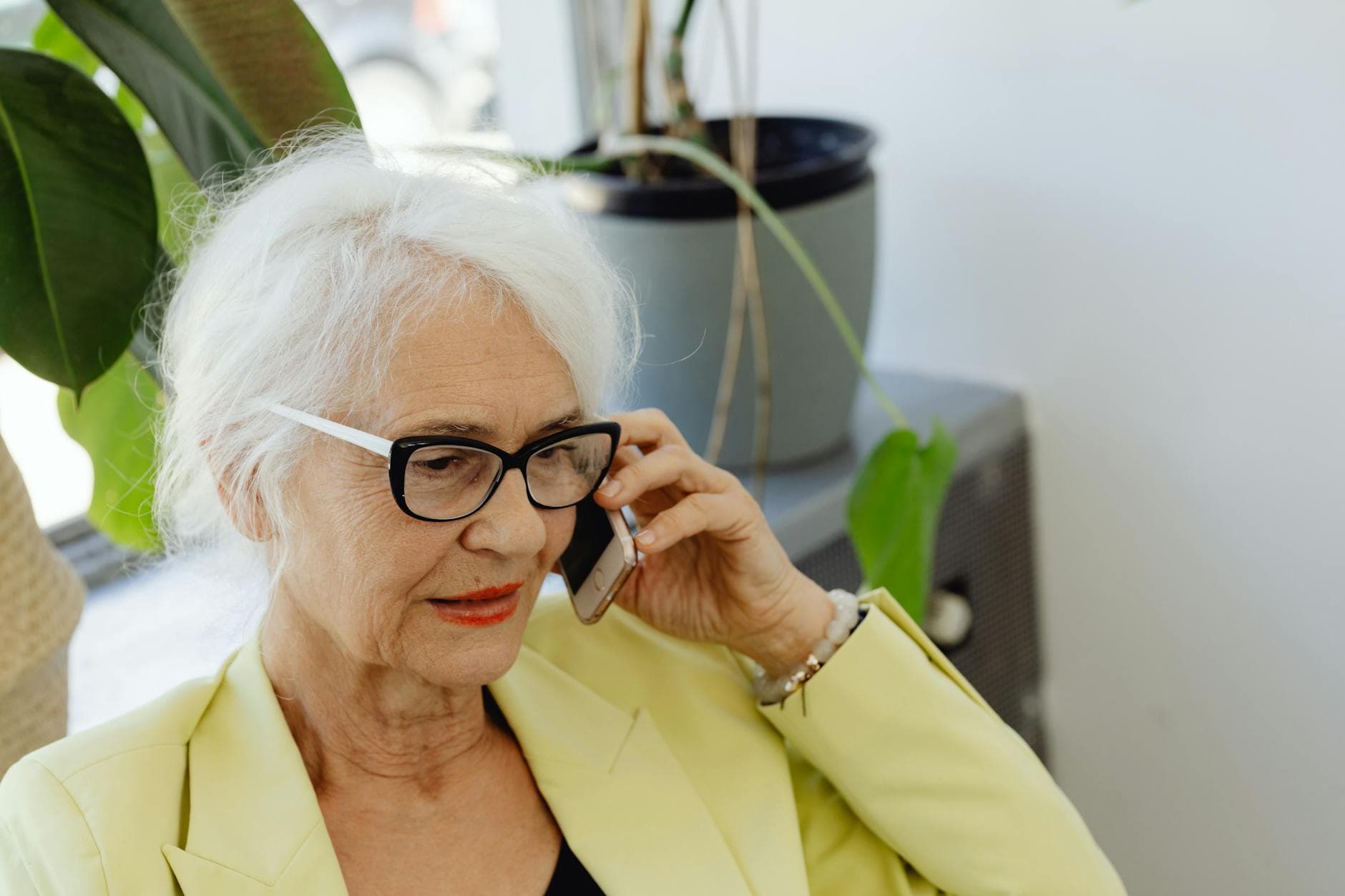
Twice a week, an AI voice now checks in on older South Koreans who live alone, part of a fast-growing attempt to use automation against one of the country’s most severe demographic pressures. What began in Haeundae District, Busan, in November 2021 with NAVER’s CLOVA CareCall has expanded into a national safety net used by more than 70 local governments and medical and welfare institutions, reaching about 15,000 single-person households by 2024.
The scale of the challenge explains the urgency. Statistics Korea said people aged 65 and older made up 19.2% of the population in 2024, and projected that share would climb to 47.7% by 2072. It also expects the number of Koreans 65 and older to nearly double, from 8.89 million in 2022 to 17.25 million in 2042, while the dependency ratio rises from 41.8 to 81.8 per 100 working-age people. For policymakers, South Korea is no longer just aging. It is becoming a preview of the strain wealthy countries will face as the care workforce shrinks and the elderly population swells.
That pressure is showing up in the government’s 2025 action plan. The Ministry of Health and Welfare raised its annual target for AI-assisted initial consultations from 220,000 to 500,000 cases and increased emergency safety devices for elderly people living alone and people with disabilities from 270,000 to 300,000. The numbers reflect a practical calculation: if human workers cannot make enough visits, AI can at least extend the reach of the system by checking for danger, flagging silence, and connecting people to help.

South Korea is also using AI beyond check-in calls. The Hyodol companion doll has been distributed to tens of thousands of seniors living alone, and reports say the devices can remind users to eat, take medicine, and alert caregivers or family in emergencies. Supporters say that kind of monitoring can reduce isolation, ease loneliness, and catch problems between human visits, especially for people with dementia or limited mobility.
The tradeoffs are harder to ignore. AI can widen coverage and speed up response times, but it cannot replace a familiar caregiver, and it raises obvious questions about privacy inside the home. South Korean leaders have still presented the technology as a response to a super-aged society, not as a novelty. In 2019, President Moon Jae-in pointed to one such system after citing an elderly man who collapsed from high blood pressure and shouted, “help me” to an AI speaker. The message was clear: in an aging society, the test is no longer whether AI can be used in care, but whether it can help hold the system together.
This article was produced by Prism’s automated news system from verified source data, official records, and press releases, then run through automated quality and moderation checks before publishing. The system is built and supervised by the people who set the standards it runs under. Read our full AI policy.
Did this article answer your question?