South Korean court cuts Han Duck-soo sentence in martial law case
A Seoul appeals court cut Han Duck-soo’s sentence to 15 years, but left intact the finding that he helped enable South Korea’s martial-law declaration.
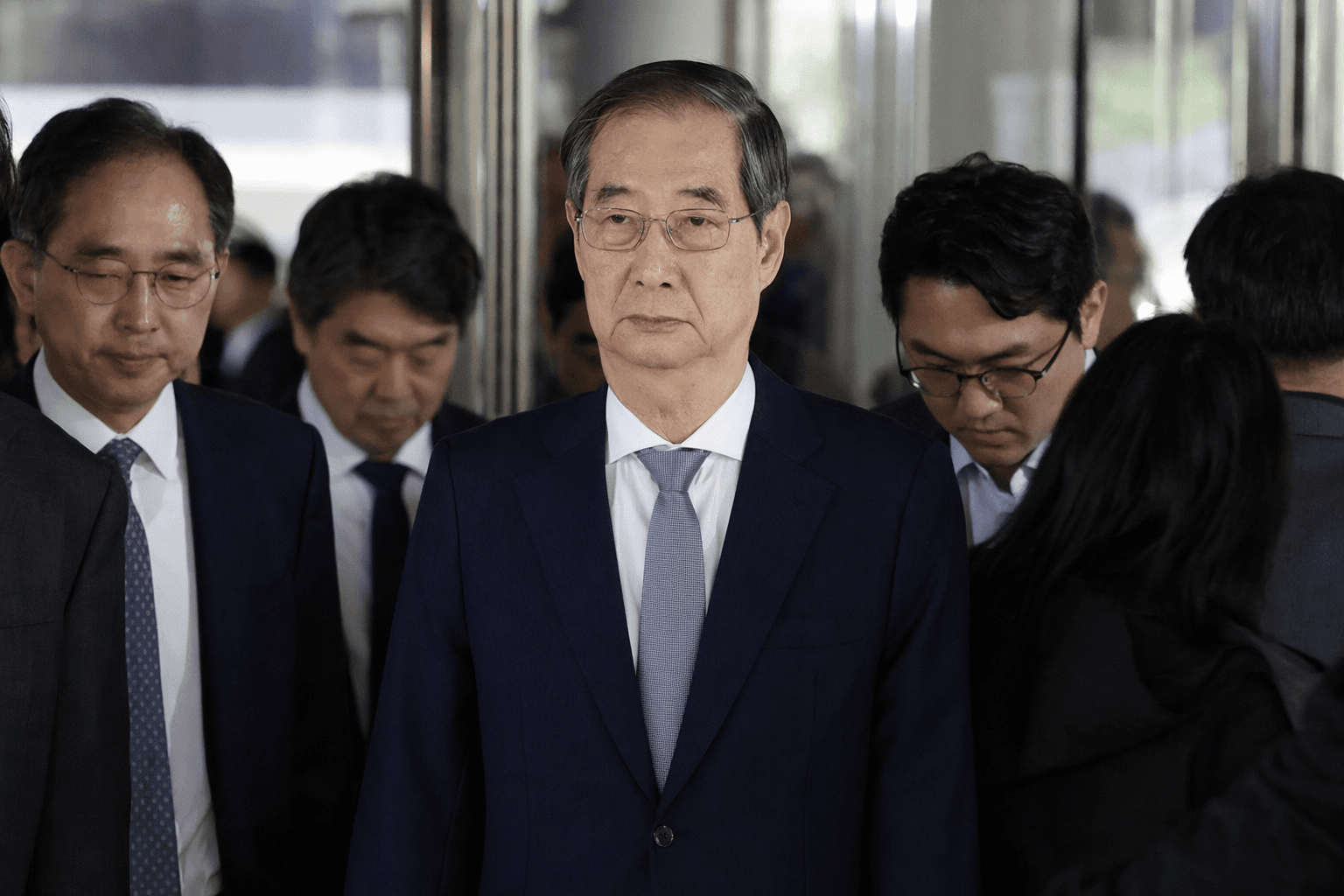
The Seoul appeals court did not clear Han Duck-soo. It cut the former prime minister’s prison term to 15 years from 23, but kept the central finding that he played a key role in helping Yoon Suk Yeol declare martial law and did not dissuade him from doing it.
The ruling sharpens South Korea’s reckoning with a crisis that pushed the country to the edge of constitutional breakdown. Han had already been convicted in January 2026, and Thursday’s decision left the underlying insurrection finding intact while reducing the punishment by eight years. That distinction matters: the court signaled that Han’s conduct still crossed a legal line, even if judges believed the lower court’s sentence was too severe.
The case stems from Yoon’s televised late-night declaration of martial law on December 3, 2024, a move that stunned the country and was quickly reversed after lawmakers moved to block it. It was the first martial-law declaration in South Korea since 1980, and it helped trigger the political chain of events that later led to Yoon’s removal from office. The episode also exposed how vulnerable civilian government can be when top officials are accused of enabling extraordinary emergency powers instead of restraining them.
For the judiciary, the reduced sentence offers a narrow reading of accountability rather than exoneration. The appeals court’s decision leaves in place the conclusion that Han was part of the machinery that supported Yoon’s decision, a finding that keeps the case among the most politically charged in recent South Korean history. It also leaves public attention fixed on the broader network of officials and party figures pulled into the crisis, including the continuing pressure on the country’s main institutions to define where lawful authority ends and a power grab begins.
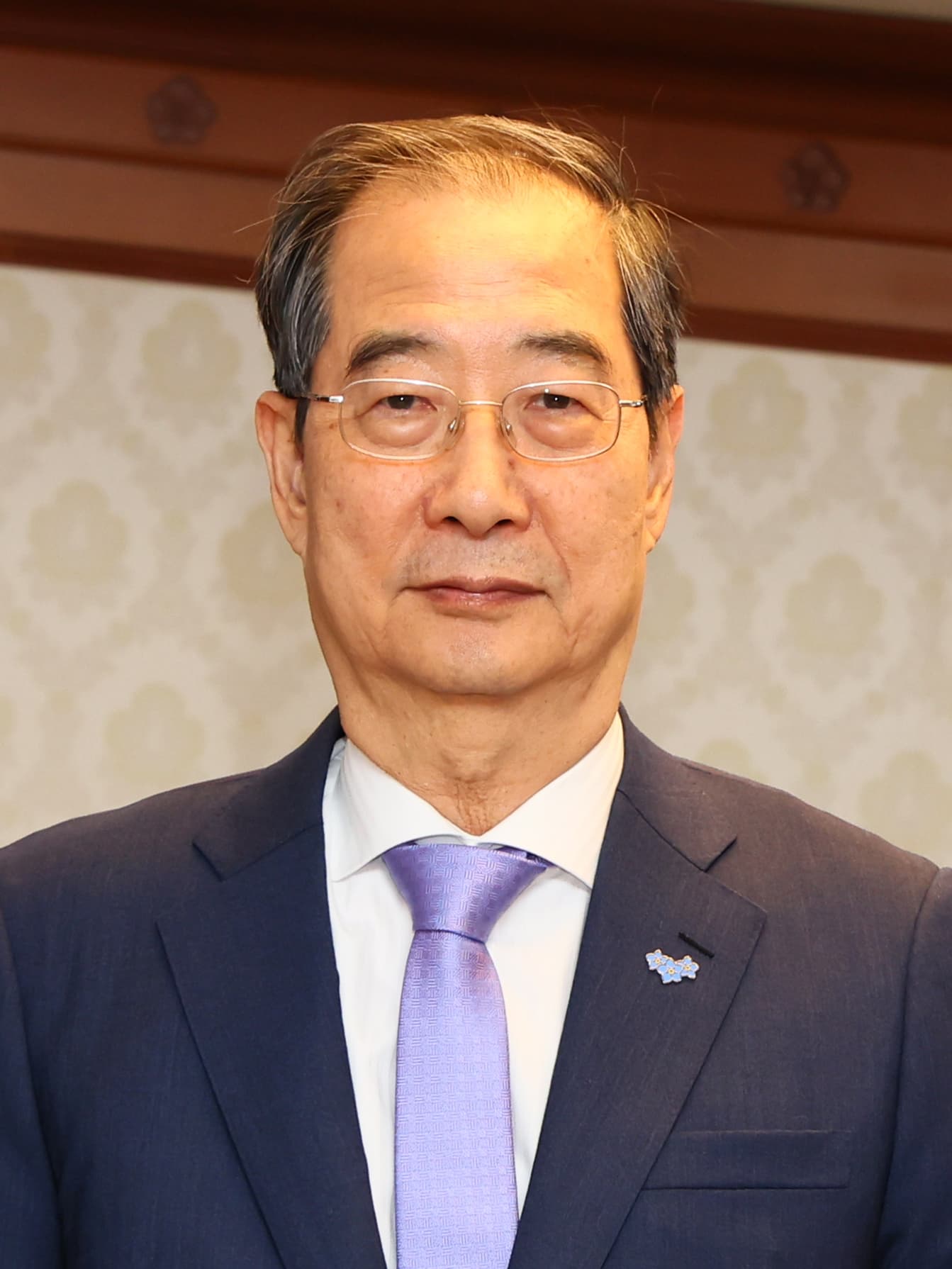
Yoon faces a separate insurrection trial, and prosecutors have said the martial-law episode amounted to a grave constitutional offense. South Korea’s legal system is now being asked to do more than punish individual conduct. It is being asked to set a durable boundary for civilian rule after a failed emergency decree, one that future leaders cannot mistake for a permissible test of force.
This article was produced by Prism’s automated news system from verified source data, official records, and press releases, then run through automated quality and moderation checks before publishing. The system is built and supervised by the people who set the standards it runs under. Read our full AI policy.
Did this article answer your question?