South Korean Interceptors Outperform U.S. Rivals at a Fraction of the Cost
South Korea's Cheongung-II interceptor hit 96% of Iranian targets at roughly $1M per missile, a quarter of Patriot's cost, triggering an emergency Gulf scramble for LIG Nex1 hardware.
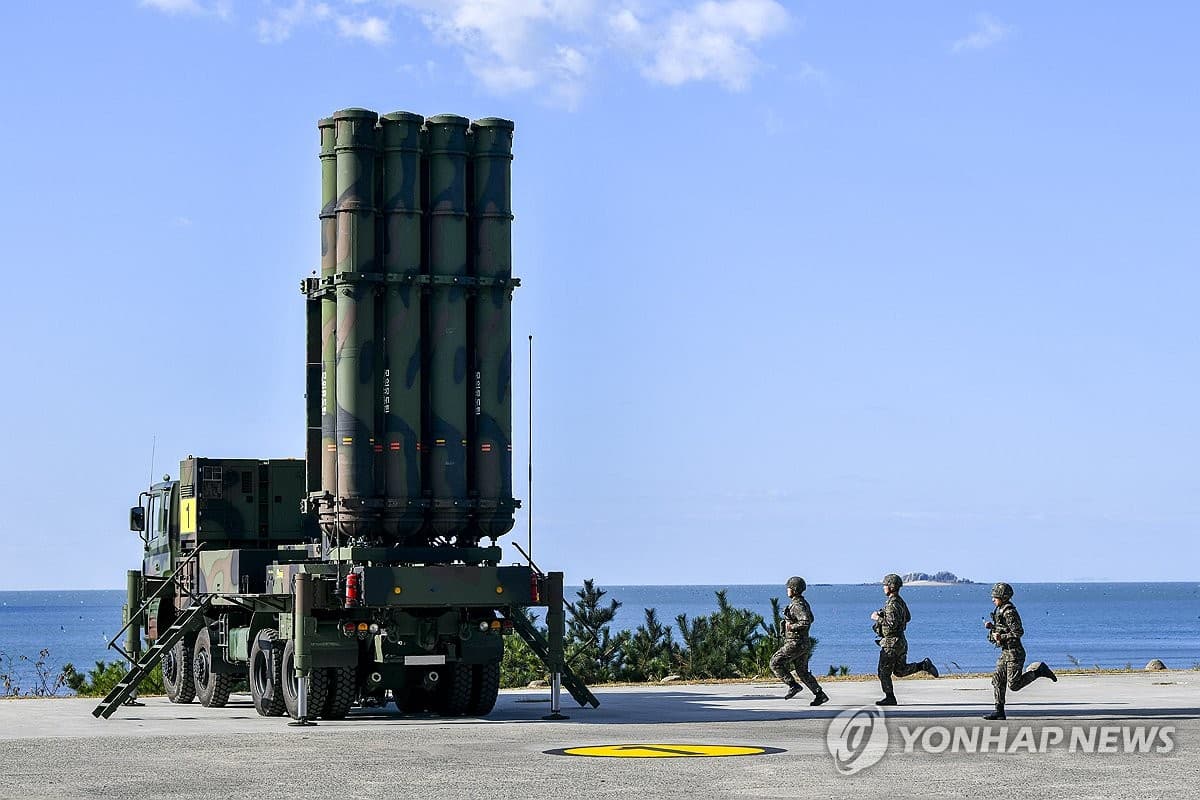
South Korea's Cheongung-II interceptor achieved a combat intercept rate exceeding 96 percent during its first operational deployment in the UAE against recent Iranian attacks, while costing approximately $1 million per unit, contrasting sharply with the $4 million price tag on Lockheed Martin's Patriot PAC-3. That ratio of battlefield performance to unit cost has set off an emergency scramble among Gulf states for South Korean air defense hardware.
The United Arab Emirates asked South Korea to accelerate deliveries of Cheongung-II batteries to help intercept incoming attacks. The UAE had originally signed a procurement agreement in January 2022 for the Cheongung-II system, with the contract valued at approximately $3.5 billion covering 10 air defense batteries along with associated radar, command systems, and interceptor missiles. A UAE Air Force C-17 strategic transport touched down at Daegu Airport this month, its hold loaded with interceptors headed back to the Gulf under conditions of some urgency.
The Cheongung-II was developed by LIG Nex1 alongside Hanwha Systems and Hanwha Aerospace. Often cited as "Korea's Patriot," the Cheongung is South Korea's medium-range surface-to-air missile that analysts consider competitive with Western counterparts. The system's 400-kilogram interceptor uses a hit-to-kill mechanism and can engage ballistic missiles at ranges of about 20 kilometers and altitudes above 15 kilometers. Against aircraft, its range extends to roughly 50 kilometers at interception altitudes up to 20 kilometers.
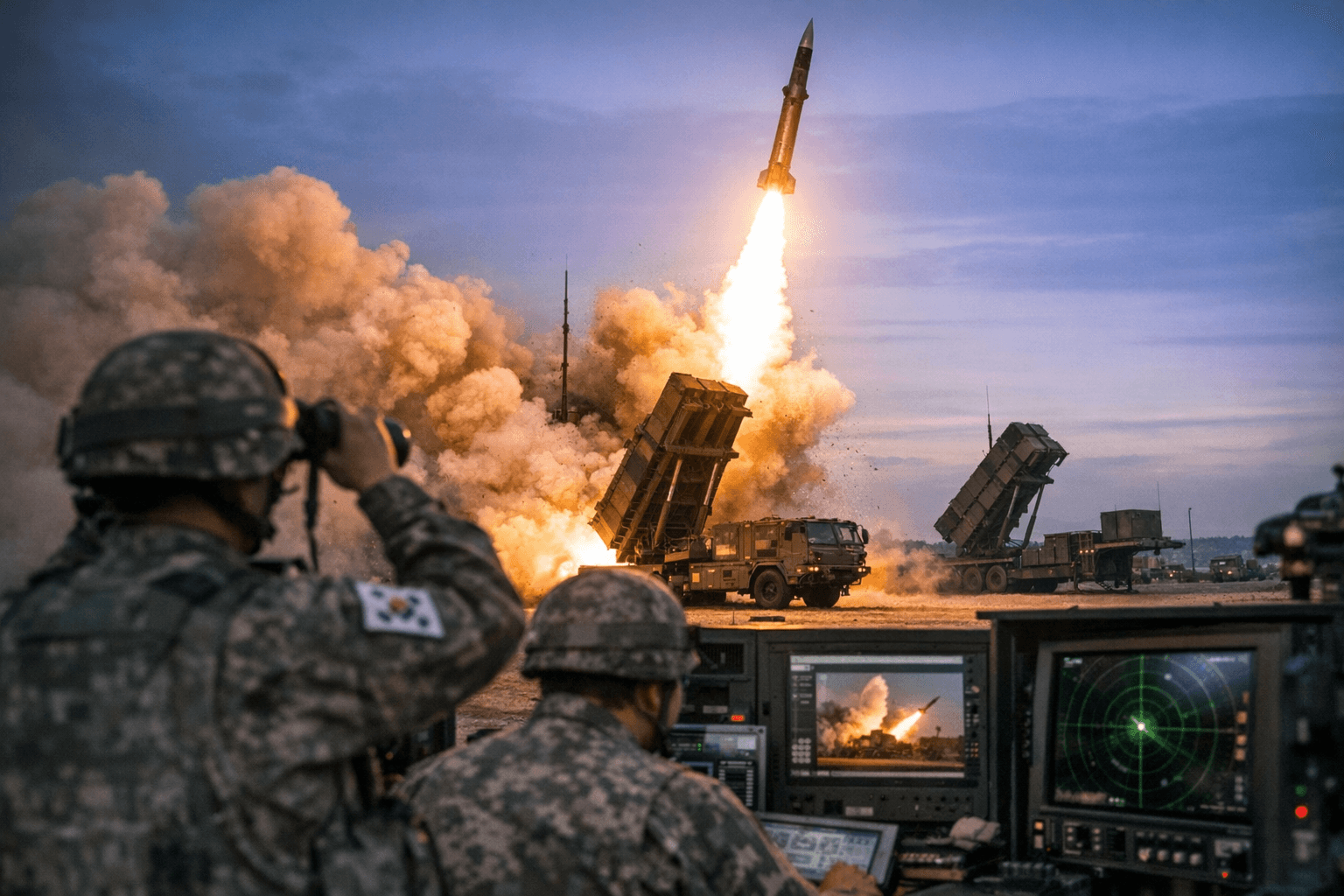
During recent confrontations involving Iran, Iranian missiles and unmanned aerial vehicles targeted critical infrastructure and military assets across the Gulf region. Cheongung-II batteries operated within the UAE's existing missile-defense network alongside American-supplied Patriot and THAAD systems, with each interceptor type addressing different altitude envelopes and threat profiles in a layered configuration. The pricing gap between layers, however, is stark: Lockheed Martin's annual PAC-3 production capacity stands at 600 units and THAAD interceptors at 96 per year, at estimated unit costs of $4 million and $12.7 million respectively. Against an Iranian drone-and-missile barrage, buyers are stretching inventories with Korean rounds.
The market signal is spreading well beyond the UAE. In late 2025, Saudi Arabia signed a $3.2 billion Cheongung-II contract. In September 2024, the Iraqi Ministry of Defense signed a deal with LIG Nex1 worth $2.8 billion for KM-SAM Block 2 batteries. South Korea's major defense firms, including LIG Nex1, Hanwha, KAI, and Hyundai Rotem, now hold an order backlog that analysts describe as a qualitative evolution away from conventional hardware toward high-value strategic systems.
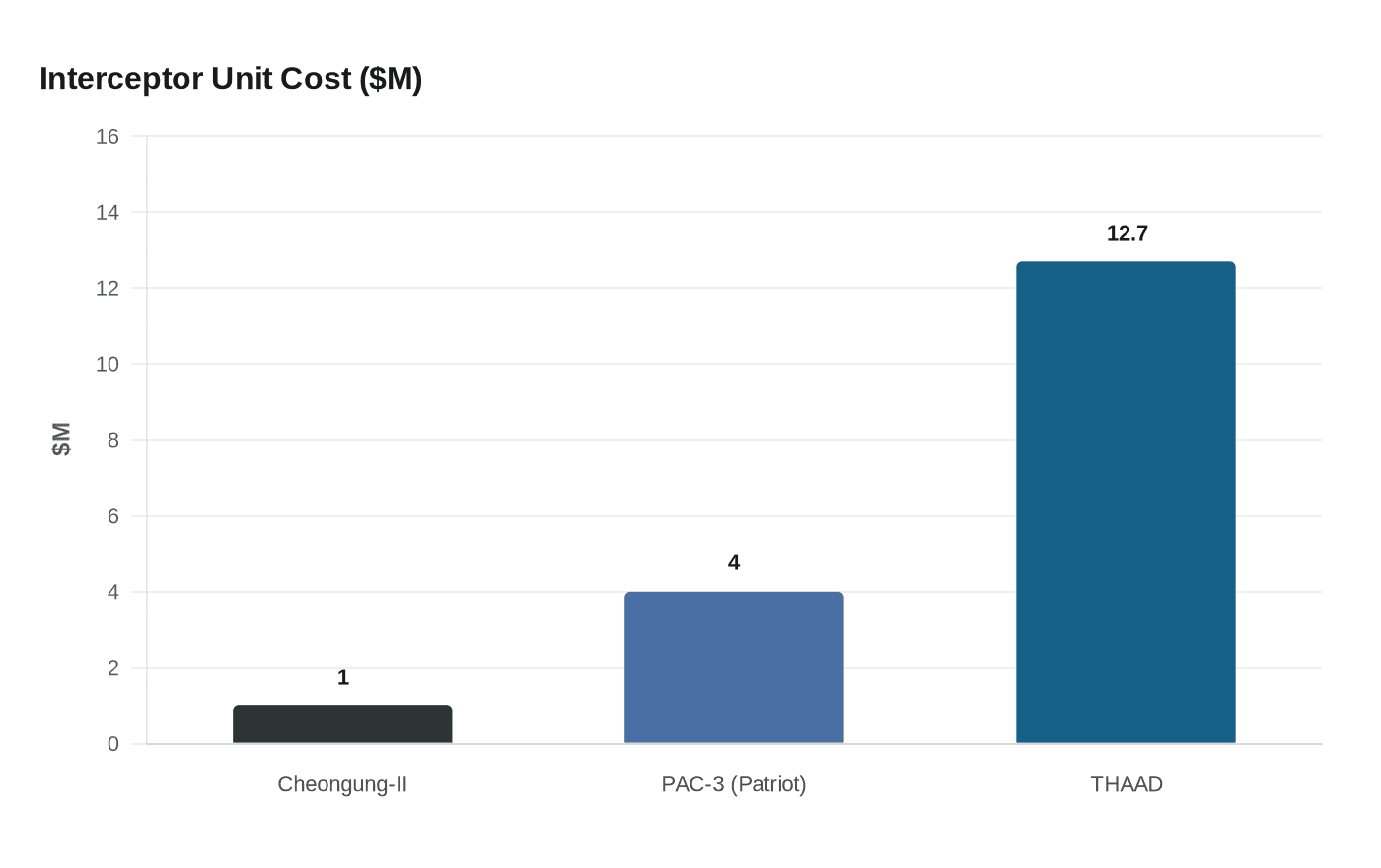
For U.S. defense planners, the Cheongung's emergence in active theater operations carries uncomfortable arithmetic. As Gulf militaries absorb Iranian barrages with Korean interceptors at a quarter of the Patriot's unit cost, the industrial and political case for American exclusivity in medium-range air defense becomes harder to sustain. Patriot and THAAD retain their primacy in NATO architecture and high-end deterrence. But a 96 percent combat intercept rate in the Gulf is the kind of credential that no trade-show demonstration can manufacture, and the countries writing procurement checks are paying close attention.
This article was produced by Prism’s automated news system from verified source data, official records, and press releases, then run through automated quality and moderation checks before publishing. The system is built and supervised by the people who set the standards it runs under. Read our full AI policy.
Did this article answer your question?

