South Korean prosecutors appeal Yoon's five-year obstruction sentence
Prosecutors file an appeal after ex-president Yoon was sentenced to five years for obstruction, challenging not-guilty findings and seeking broader accountability.
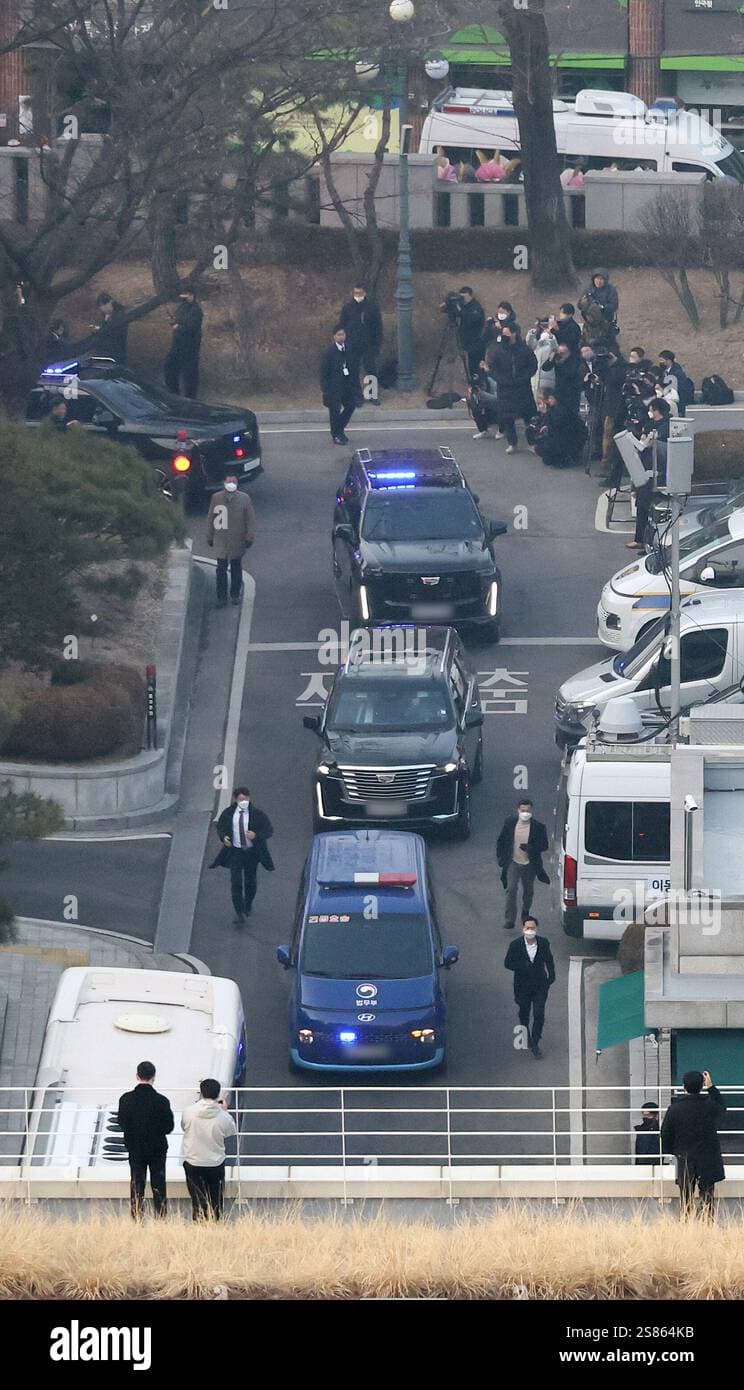
South Korea’s special prosecution team files an appeal today after a Seoul court last week sentenced former president Yoon Suk-yeol to five years in prison on obstruction charges tied to his December 2024 declaration of martial law. The filing, made by the special counsel office in Seocho District, specifically contests parts of the judgment including several not-guilty findings that prosecutors say understates the full extent of Yoon’s actions during the crisis.
The obstruction case centers on allegations that Yoon ordered the Presidential Security Service to block execution of a detention warrant at the official presidential residence and otherwise impeded investigators’ attempts to detain him following the martial-law declaration on December 3, 2024. Prosecutors had sought a harsher punishment for the obstruction counts, requesting a 10-year term and noting the statutory exposure could reach up to 10 years on those counts. The Seoul Central District Court instead imposed a five-year sentence on the obstruction-related charges in mid-January.
The appeal lodged on Jan. 22 challenges not only the length of the sentence but also rulings that acquitted Yoon on certain ancillary allegations, including findings about whether he ordered the distribution of false press statements. The special counsel team is identified in reporting under the name Cho Eun-seok, with alternate spellings of the surname appearing in some accounts. Prosecutors have been holding press appearances from their Seocho office as the appeal process unfolds.
Yoon’s legal team filed its own appeal earlier in the week, arguing that the court committed procedural errors and improperly dismissed defense-requested evidence. That appeal, reportedly submitted on Monday, frames the defense strategy to overturn conviction elements and to press for a review of evidentiary rulings. Together, the competing appeals set the stage for an extended appellate process that could reshape parts of the lower court’s decision before any sentence is finalized.

The obstruction sentence is the first delivered among multiple prosecutions against Yoon. He faces an array of criminal cases, reporting indicates up to eight separate prosecutions, with the most consequential pending trial involving insurrection charges tied to the Dec. 3 martial-law declaration. In that case prosecutors have sought the death penalty, and a court is scheduled to deliver a verdict on Feb. 19, 2026. Human-rights organizations and international observers have drawn attention to the severity of capital-punishment requests in an otherwise democratic transition of power.
Legal scholars and diplomats watch the appeals closely for their potential political and institutional consequences. A sustained appellate contest could prolong uncertainty in Seoul, testing public confidence in judicial independence and the rule of law while presenting diplomatic interlocutors in Washington, Tokyo and Beijing with fraught calculations about stability and bilateral engagement. Whatever the outcome, the proceedings mark a pivotal moment in South Korea’s reckoning with the limits of executive authority and the legal boundaries that govern emergency powers.
This article was produced by Prism’s automated news system from verified source data, official records, and press releases, then run through automated quality and moderation checks before publishing. The system is built and supervised by the people who set the standards it runs under. Read our full AI policy.
Did this article answer your question?

