South Korea’s Top Court Rules Personal Customization of Luxury Goods Not Infringement
South Korea’s Supreme Court ruled on Feb. 26, 2026 that altering genuine luxury goods for personal use does not automatically amount to trademark infringement when the original item was lawfully bought.
South Korea’s Supreme Court delivered a decision on Feb. 26, 2026 finding that altering or customizing genuine luxury goods for personal use does not automatically constitute trademark infringement. The ruling, published on that date, set a factual threshold tied to lawful purchase and personal use rather than blanket liability for modification.
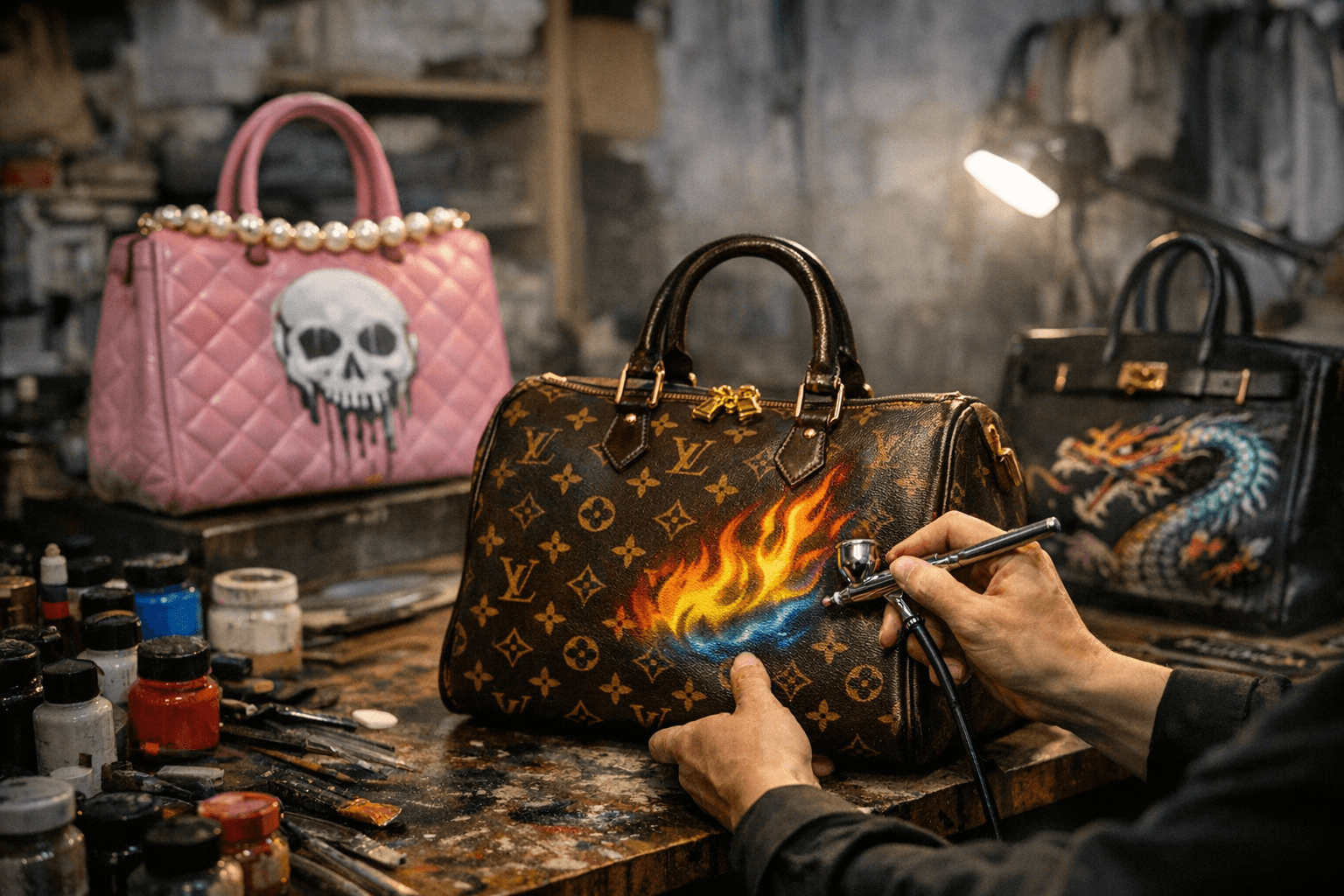
Korea JoongAng Daily framed the outcome as momentous, headlining "Top court rules that altering luxury goods for personal use does not violate trademark law in historic case." Parallel snippets in other outlets summarized the holding as focused on customer-requested refashioning of handbags; a KoreaTimes and Facebook excerpt reads, "Korea's Supreme Court ruled Wednesday that refashioning luxury handbags at a customer's request for personal use does not constitute trademark" (text truncated in the excerpt).
The decision arrives against a recent domestic litigation history. A lower court in 2023 had ruled in favor of Louis Vuitton, imposing restrictions on an individual identified only as "Lee" and ordering him to pay "15 million won in" — the En Yna Co Kr excerpt of that 2023 judgment is truncated at the end. World Intellectual Property Review captured the clash with the headline "# Louis Vuitton loses 'Frankenstein products' battle" and described the Supreme Court outcome as "a ruling by South Korea’s Supreme Court finds that repurposing luxury goods for personal use doesn’t infringe trademarks, in a decision expected to draw global scrutiny."
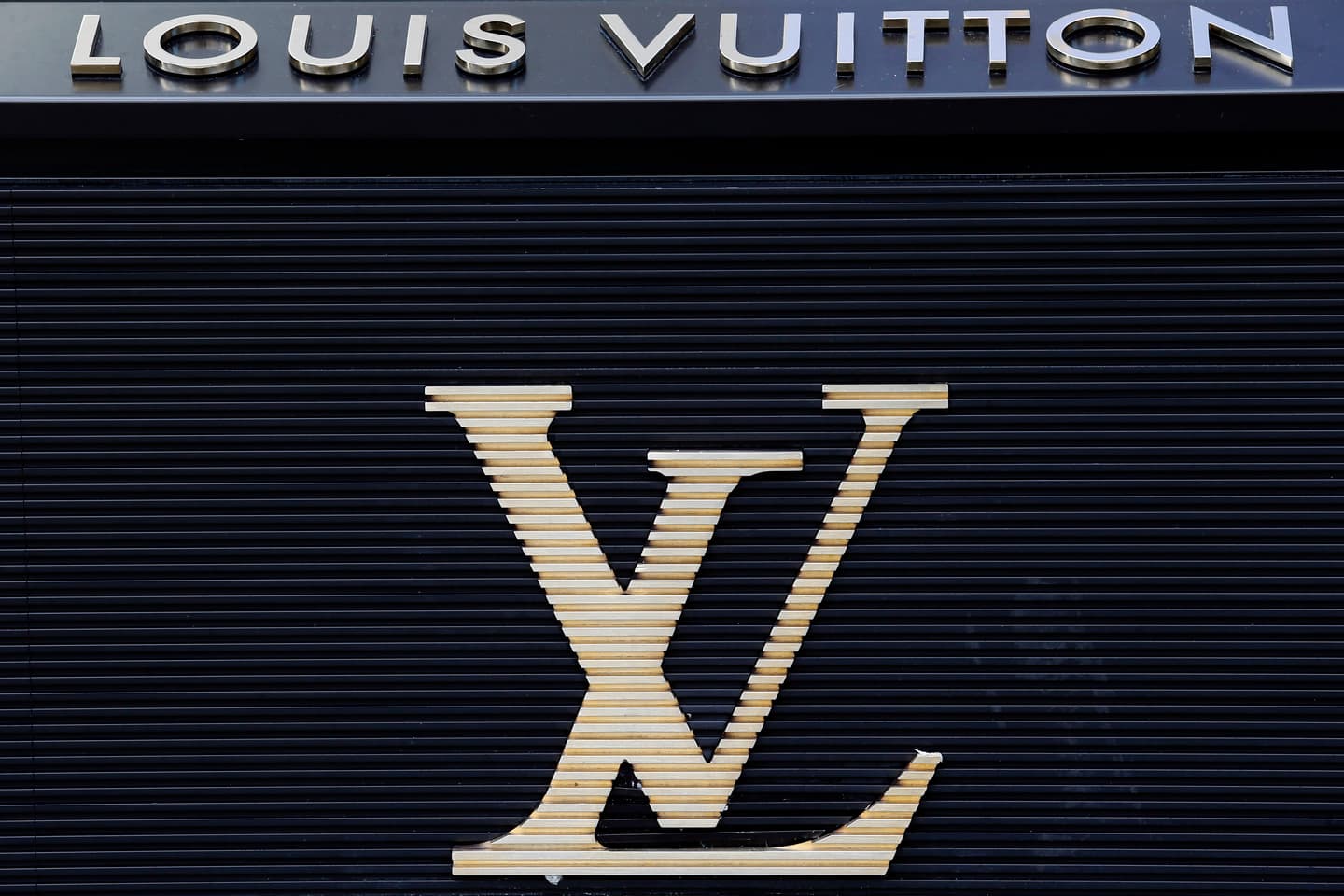
Visual context on Korea JoongAng Daily's page reinforced the brand backdrop: photo captions noted "The logo of Louis Vuitton is pictured on the brand's store on the Champs-Élysées Avenue in Paris on Sept. 20, 2017. [AP/YONHAP]" and "The logo of fashion house Louis Vuitton is seen on a store in Cannes, France, on May 16, 2024. [REUTERS/YONHAP]." The same page included related items that map to consumer behavior and market pressure, with links such as "Frugal fashionistas have last laugh with sliced-and-diced handbags" and "Luxury products boom leads Koreans to luxury company stocks."
Key elements remain to be confirmed from the Supreme Court's full text: the precise language distinguishing lawful purchase and personal use from commercial sale, whether the court addressed parallel imports or gray-market goods, and the effect on the 2023 lower-court order against "Lee." WIPR’s expectation of global scrutiny signals that overseas rights-holders and IP practitioners will watch how the Feb. 26, 2026 judgment defines the line between protected brand integrity and consumer-directed customization.
The ruling is likely to reshape enforcement approaches in Korea and draw immediate attention from lawyers, refashioners, and luxury houses seeking the full Supreme Court opinion to determine what activities remain lawful and which could still expose sellers to liability.
Know something we missed? Have a correction or additional information?
Submit a Tip