South Sudan launches first independent airspace management system
South Sudan took direct control of its skies with a China-built air traffic system, after years of relying on Sudan for airspace management.

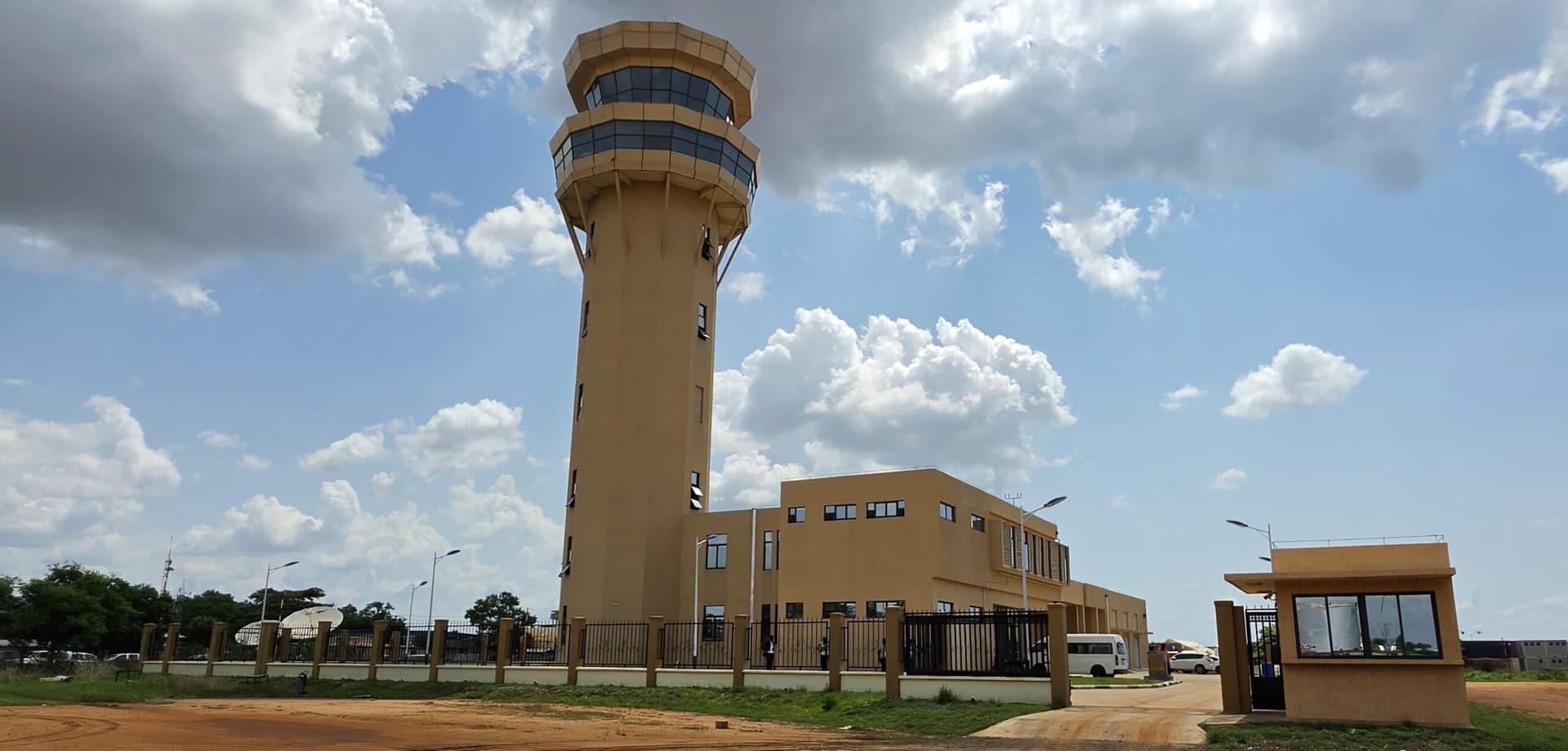
South Sudan took a step it cast as both a sovereignty breakthrough and a safety upgrade on Monday, unveiling its first fully operational independent airspace management system in Juba.
President Salva Kiir said the country had “reclaimed full control over our airspace,” ending years in which South Sudan depended on a 2016 arrangement with Sudan to manage its skies. The new control center, built with Chinese support, was presented as a sign that the post-independence state can now manage one of the core functions of sovereignty on its own terms.
Officials said the system included radar, communications and weather-observation networks, and that it would cover Juba, Wau and Malakal. South Sudan’s civil aviation authority said the purpose was to monitor, control and coordinate aircraft movements within national airspace, a task that has become more urgent as air travel remains central in a country with thin roads, fragile infrastructure and recurring violence.
The launch came less than a month after a deadly crash near Juba sharpened attention on aviation safety. On April 27, a Cessna 208 Caravan flying from Yei to Juba International Airport lost contact at 9:43 a.m. local time and crashed southwest of the capital, killing all 14 people on board. The accident deepened scrutiny of a sector that experts have long said has struggled with compliance. Aviation safety studies have linked South Sudan’s high accident rates to poor adherence to International Civil Aviation Organization standards and recommended practices.
Kiir said more than 80 South Sudanese technicians had been trained to operate the system, underscoring the government’s effort to move from dependence on foreign expertise to local operation. He also warned that the country “cannot afford to fail,” a line that captured the pressure now resting on a state that has often announced ambitious infrastructure projects only to struggle with maintenance and service delivery.
Transport Minister Rizik Zakaria Hassan described the project as a cooperation effort between the South Sudanese and Chinese governments. Chinese officials said it was the first and only air traffic management project under the framework of China-Africa cooperation to date, tied to consensus reached at the 2018 Beijing Forum on China-Africa Cooperation summit.
The broader test is whether the system becomes more than a symbolic ribbon-cutting. South Sudan established its civil aviation authority in 2013, about 19 months after independence, but weak oversight and limited capacity have long constrained the sector. If the new control center is maintained and staffed reliably, it could improve safety, strengthen sovereignty and give airlines a more predictable operating environment. If not, it risks becoming another costly reminder of how hard state-building remains in one of Africa’s most fragile economies.
This article was produced by Prism’s automated news system from verified source data, official records, and press releases, then run through automated quality and moderation checks before publishing. The system is built and supervised by the people who set the standards it runs under. Read our full AI policy.
Did this article answer your question?


