South Sulawesi’s bissu fight to preserve a fading sacred tradition
South Sulawesi’s bissu are fewer than 40, yet they still anchor Bugis rituals, gender cosmology, and communal memory. Their survival now depends on keeping sacred work relevant as society changes.
A sacred role that still binds community life
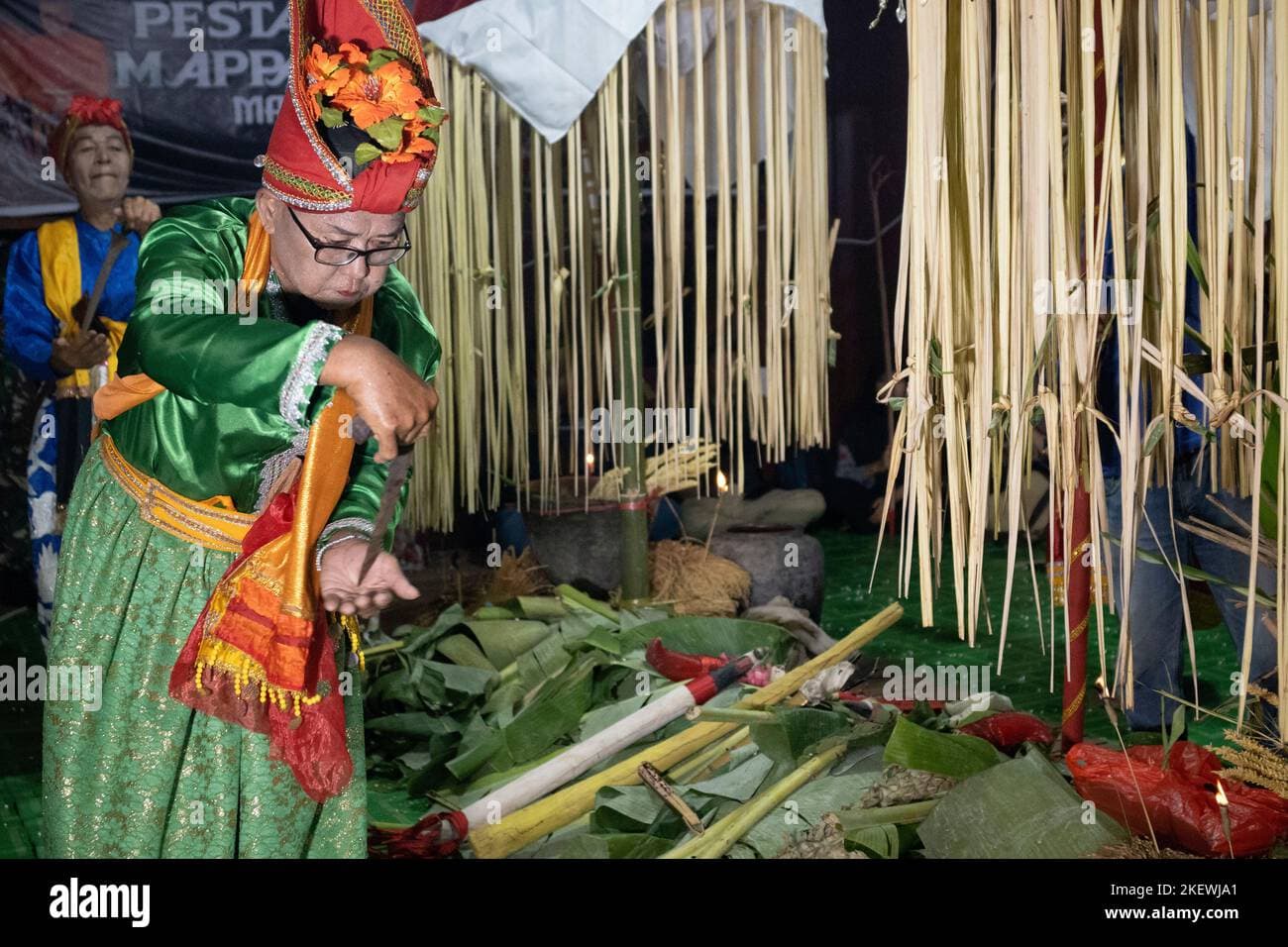
The bissu still appear when Bugis communities need a bridge between the human and divine. In South Sulawesi, Indonesia, they are understood not as a curiosity, but as holy ritual specialists whose embodied mix of male and female traits gives them a transcendent status within Bugis life.
That role once carried real power. In Bugis kingdoms, bissu served as priests, shamans, and ceremonial intermediaries, and they were central to royal rites and agricultural rituals that structured the social calendar. Even now, the most visible moments in which they appear are communal ones, especially ceremonies tied to planting, harvest, and collective blessing.
Five genders, one cosmology
Bugis tradition is often described as recognizing five gender categories: male, female, calabai, calalai, and bissu. Within that framework, bissu are widely understood as beings who stand apart, neither simply male nor female, but sacred and transcendent.
Scholars point to the ancient La Galigo epic as part of the historical basis for these gender concepts. That connection matters because it places the bissu within a broader Bugis worldview, rather than treating them as a separate or marginal practice. Their role is woven into cosmology, kinship, ritual duty, and ideas about balance between earthly and celestial life.
From royal authority to cultural guardianship
The status of the bissu changed sharply after Islam spread through South Sulawesi, and it shifted again under modernization. Academic and journalistic sources describe a steady loss of patronage, public authority, and the royal support that once gave bissu a secure place in Bugis courts.
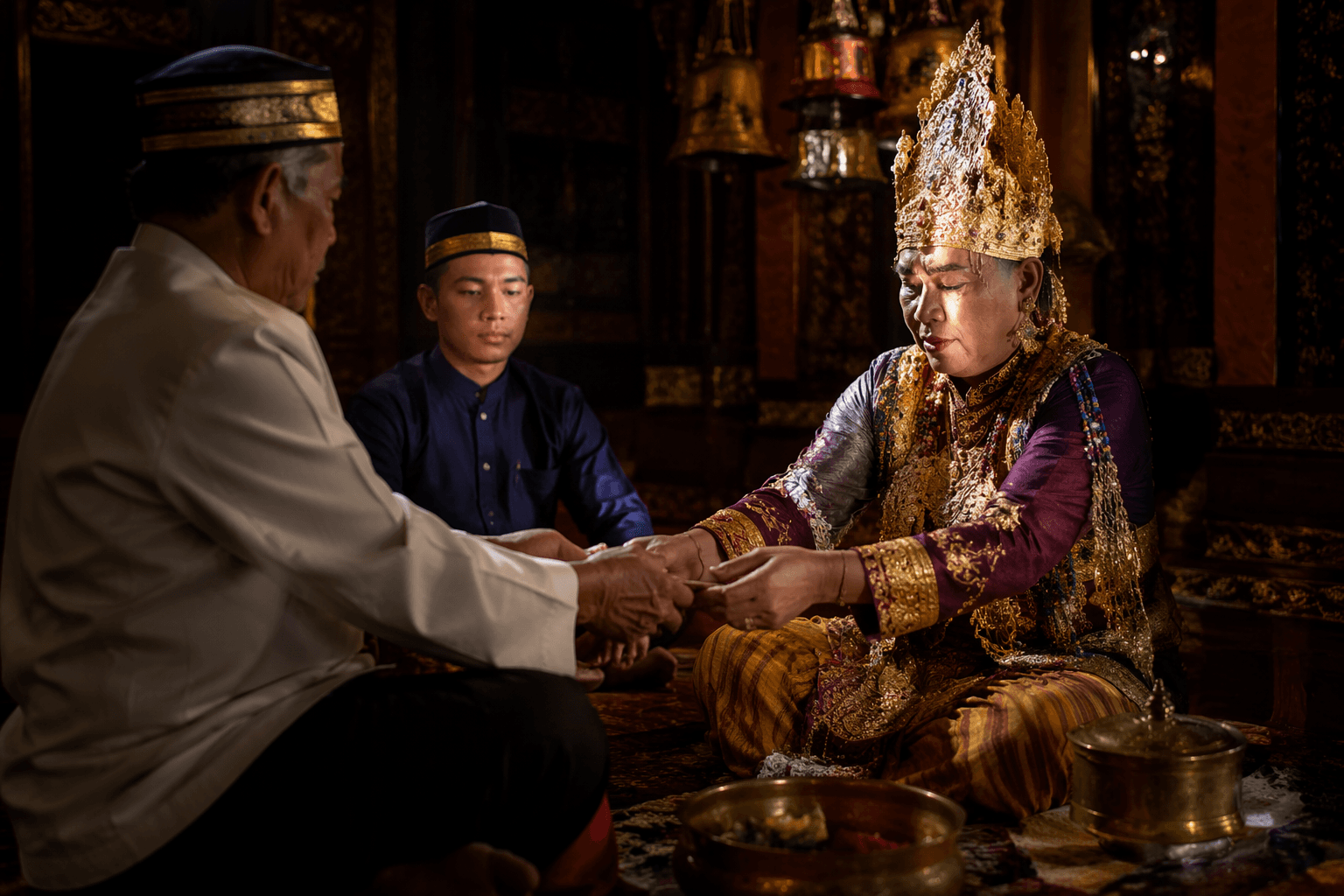
What remains today is often a more fragile form of authority. Some recent scholarship describes bissu as cultural guardians working to preserve Bugis tradition, a shift that reflects both adaptation and loss. They are still ritual specialists, but many now carry the burden of protecting meaning in a social landscape that no longer automatically supports their presence.
That tension is especially visible in the decline of new members. An academic paper abstract noted that the bissu, once respected advisors to kings and custodians of important rituals, now face challenges from changing customs and a lack of succession.
How the tradition survives in ritual practice
One of the clearest signs of continuity is the annual Mappalili ceremony in Pangkajene, a planting-season ritual that remains closely tied to communal life. Agence France-Presse reported on the ceremony in December 2022, describing a bissu leader named Puang Matowa Nani taking part in the rite.
At dawn, the ritual still marks the start of agricultural renewal, linking the spiritual and practical sides of village life. That detail matters because it shows the bissu not as relics of a vanished past, but as active participants in a living tradition that still helps organize work, time, and communal expectation.
The ceremony also shows how the bissu’s meaning has changed without disappearing. Where they once operated at the center of royal power, they now often serve as cultural and shaman-like figures who keep ceremonial knowledge alive for local communities.
A small number, carrying a large burden
The scale of the decline is stark. Agence France-Presse reported on December 21, 2022 that fewer than 40 bissu remained in just a few areas across South Sulawesi. That number captures more than a demographic warning. It signals a narrowing space for ritual expertise, intergenerational transmission, and public recognition.
When a tradition becomes that small, every ceremony carries extra weight. The remaining bissu are not simply performing old customs. They are also sustaining language, memory, and social roles that once linked Bugis communities to court life, agriculture, and the sacred order of the world.
Why preservation is about more than ceremony
The survival of the bissu is not only a cultural issue. It is also a question of social equity and who gets to define legitimate identity inside a community. When modernization, religious change, and state pressures reduce the standing of a long-recognized group, the loss is not abstract. It affects visibility, dignity, and the ability to pass knowledge forward.
For the Bugis community, the bissu remain a living reminder that gender, ritual, and social order have long been understood in more complex ways than modern institutions often allow. Their continued presence in ceremonies like Mappalili suggests that tradition can endure, but only if communities make room for it.
The bissu’s future now depends on whether South Sulawesi can preserve not just performances, but the social conditions that give those performances meaning. If that space closes, what disappears is not only a ritual role, but a whole way of understanding balance between people, ancestors, and the divine.
This article was produced by Prism’s automated news system from verified source data, official records, and press releases, then run through automated quality and moderation checks before publishing. The system is built and supervised by the people who set the standards it runs under. Read our full AI policy.
Did this article answer your question?