Southport inquiry exposes failures in agencies before deadly attack
Southport’s first inquiry findings point to years of missed warning signs. On the same front pages, Trump’s deleted image set off a fresh row over religion and politics.
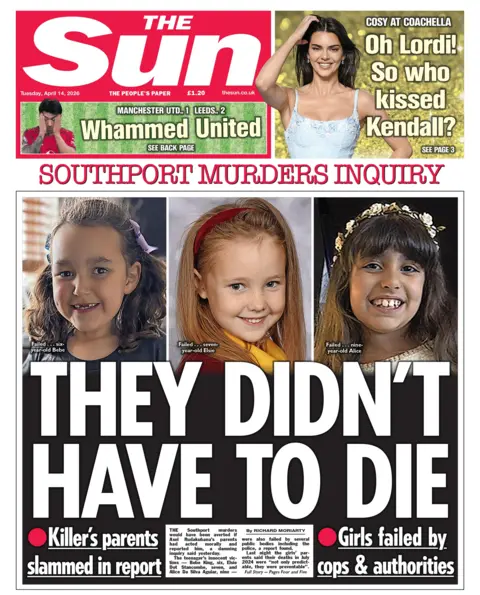
A first phase of the Southport Public Inquiry laid out a catalogue of failures around Axel Rudakubana before he killed three girls and injured 10 others, putting the spotlight on how police, schools, health services and social care handled escalating warning signs.
The report was published at Liverpool Town Hall and followed a formal inquiry that began on 7 April 2025, when the Home Secretary set its terms of reference. It examined Rudakubana’s history and his interactions with criminal justice, education, healthcare and local government agencies, as well as how information was shared, and what his parents knew.
The attack took place on 29 July 2024 at a children’s dance club in Southport. The inquiry says Elsie Dot Stancombe, Alice da Silva Aguiar and Bebe King were murdered. Ten other people were injured, and 16 others survived but live with serious emotional scars. Those figures have kept the case at the centre of public grief as officials now confront how so many signals were missed.
Shabana Mahmood told Parliament that the report exposed “a series of tragic failures.” The government said it would give a full response in the summer, including Lord Anderson’s Prevent review. That response will matter well beyond Southport, because the inquiry’s focus reaches into the wider machinery of safeguarding, from criminal justice to local government and the handoff between agencies.
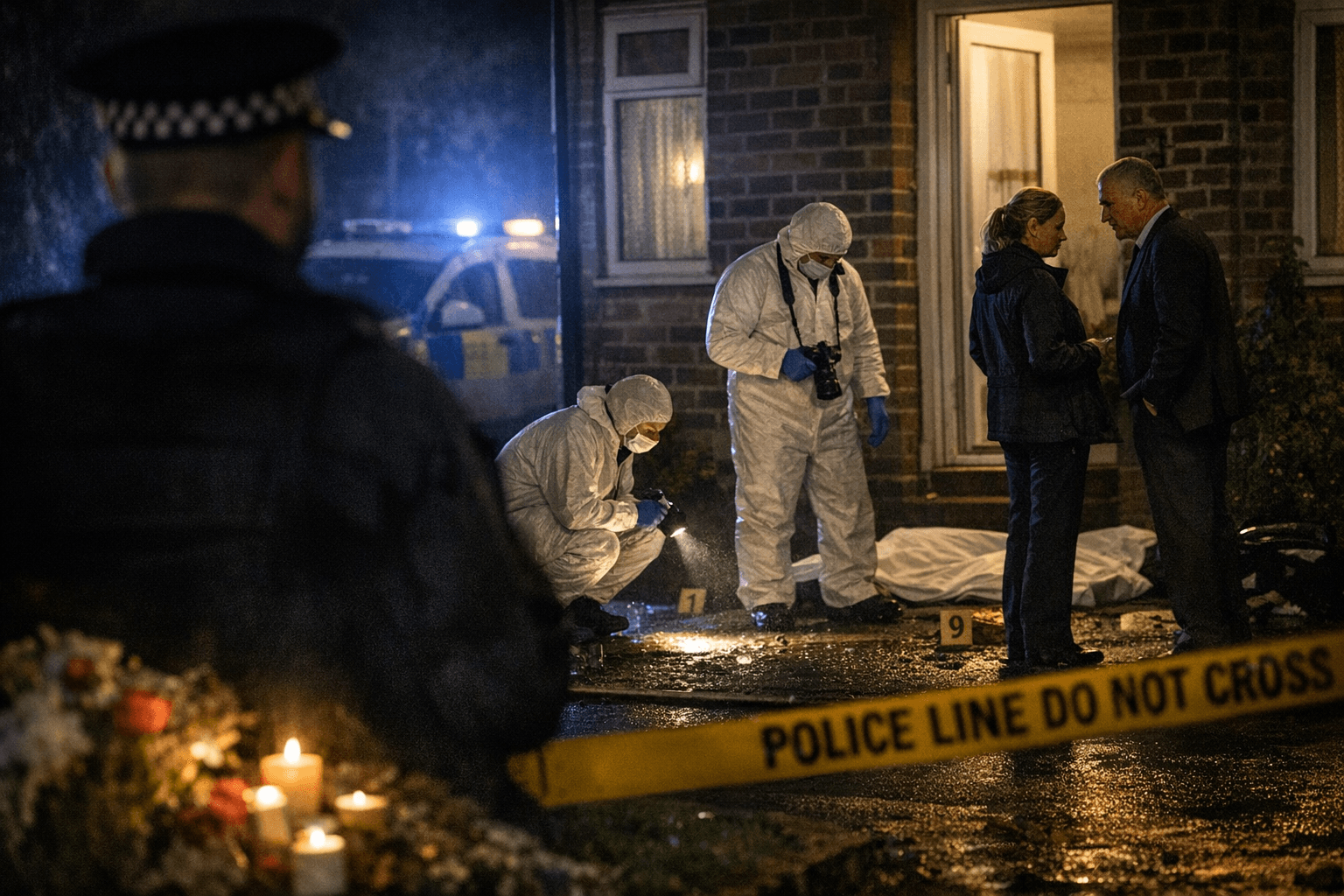
Reporting around the inquiry said Rudakubana had been known to police, counter-terrorism officers, social services and mental health professionals for years. It also said his parents knew he had bought weapons online and had a history of carrying knives. Taken together, those details suggest not a single missed alarm but a prolonged breakdown in how danger was assessed, recorded and acted on.
The Southport report shared front pages with a very different story about Donald Trump, whose deleted Truth Social post triggered its own furious backlash. The apparently AI-generated image showed Trump in a Christ-like pose, wearing white robes and placing a glowing hand over a sick man in bed, with patriotic imagery behind him. After criticism from Christian commentators and some of his own allies, Trump said he had thought the image showed him as a doctor or Red Cross worker, not Jesus, and said he removed it because people were confused.
The image appeared after he attacked Pope Leo XIV over the pontiff’s criticism of U.S. military actions against Iran and Venezuela. Conservative Christian writer Megan Basham called it “OUTRAGEOUS blasphemy,” while Riley Gaines, Michael Knowles, Don Bacon and Ari Fleischer also condemned it. The pairing of the two stories captured a familiar national mood: mourning on one side, culture-war spectacle on the other, with grief, accountability and media appetite competing for attention.
This article was produced by Prism’s automated news system from verified source data, official records, and press releases, then run through automated quality and moderation checks before publishing. The system is built and supervised by the people who set the standards it runs under. Read our full AI policy.
Did this article answer your question?

