Southwest drops upfront extra-seat requirement for plus-size passengers
Southwest no longer requires plus-size travelers to buy a second seat before flying, but if adjacent seats are unavailable, they may be moved to a later flight.
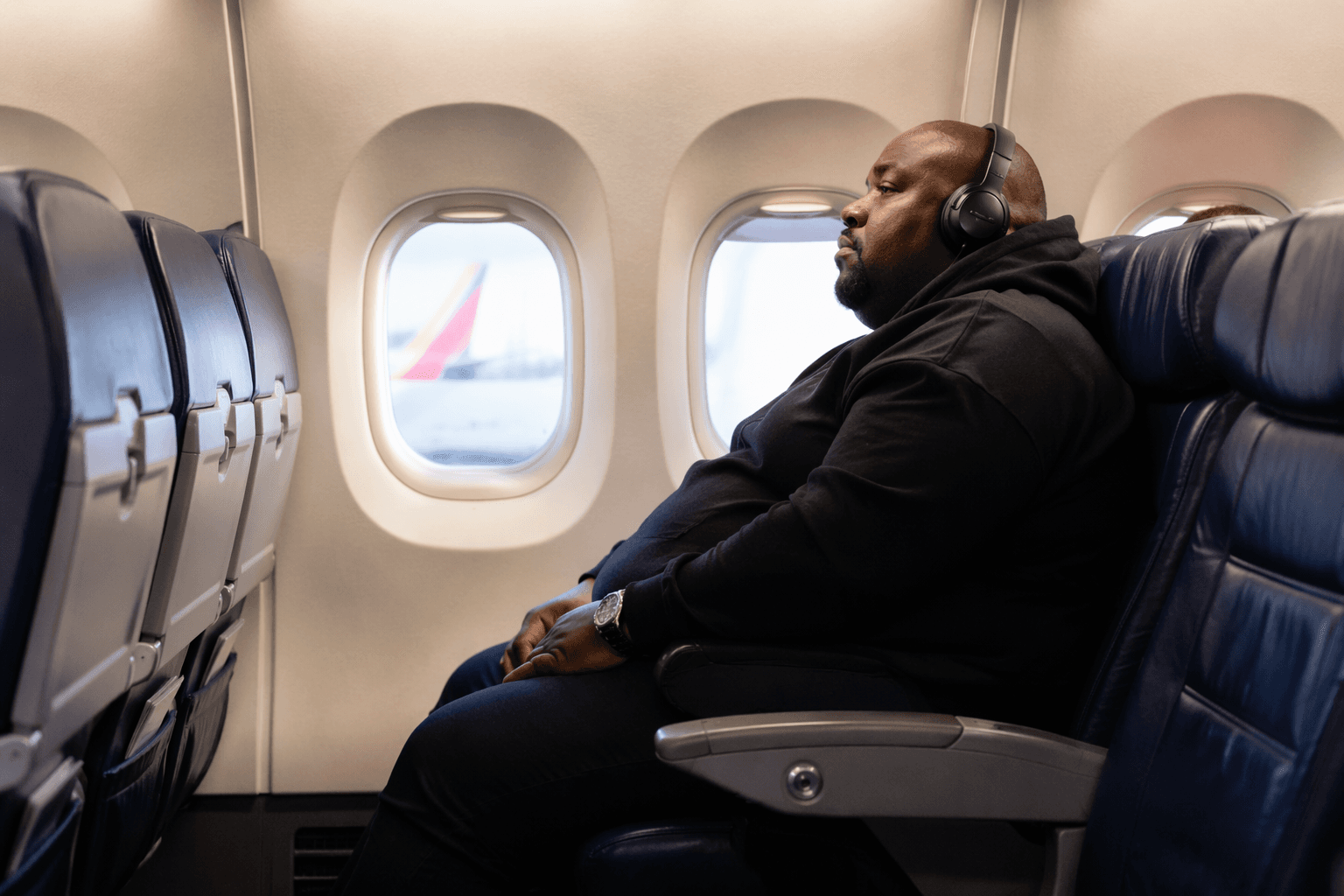
Southwest Airlines has eased its extra-seat policy for plus-size passengers, removing the requirement that customers buy a second seat in advance when they need more space. Under the revised rule, airport agents can provide an additional seat at no extra cost when adjacent seats are available, but if the neighboring seat is taken, Southwest says it will try to accommodate the traveler on a later flight.
For passengers, the change shifts the decision point from booking to the airport. Southwest still encourages customers who may need an extra seat to reserve one ahead of time to avoid last-minute problems, and the airline’s help center says travelers who arrive without adjacent seats reserved can be rebooked on another flight with available seating. That makes the policy more flexible than the earlier 2026 version, which required travelers to pay upfront and then seek a refund afterward if they qualified.
Southwest said the update took effect late last week after an extensive review and that it will keep refining the process “to create a more consistent and seamless travel experience for customers who require an additional seat.” Even with the softer approach, the airline has not promised a guaranteed same-flight solution when space is tight. If no adjacent seat is open, the customer may still miss the original departure.
The policy change comes as Southwest continues a broader overhaul of how it handles seating and boarding. On Jan. 27, 2026, the airline ended more than 53 years of open seating and moved to assigned seats with new fare and boarding rules, including extra-legroom and preferred-seat options. In August 2025, Southwest had already tightened its language, saying passengers who encroach on a neighboring seat should proactively buy the needed number of seats before travel.
Southwest’s help center also says the armrest is the definitive boundary between seats, one seatbelt extension per passenger is approved, and seatbelt extensions cannot be used in exit seats. The airline’s refund rules for extra seats remain specific: the flight must depart with at least one open seat, both seats must be bought in the same fare class, and the refund request must be made within 90 days of travel.
The shift may add pressure across the industry, where airlines are trying to balance accessibility, dignity and finite cabin space. Southwest has long been viewed as unusually accommodating by some larger-bodied travelers, a reputation that helps explain why the stricter policy drew attention and criticism before this reversal. The new rule is more permissive, but it still leaves a basic question unresolved: how much flexibility can airlines offer when every seat is already spoken for.
This article was produced by Prism’s automated news system from verified source data, official records, and press releases, then run through automated quality and moderation checks before publishing. The system is built and supervised by the people who set the standards it runs under. Read our full AI policy.
Did this article answer your question?