Southwest ends open seating, introduces assigned seats and fare bundles
Southwest ends decades-long open seating and adopts assigned seats Jan. 27, 2026, rolling out new fare bundles and paid seat types that reshape its pricing strategy.
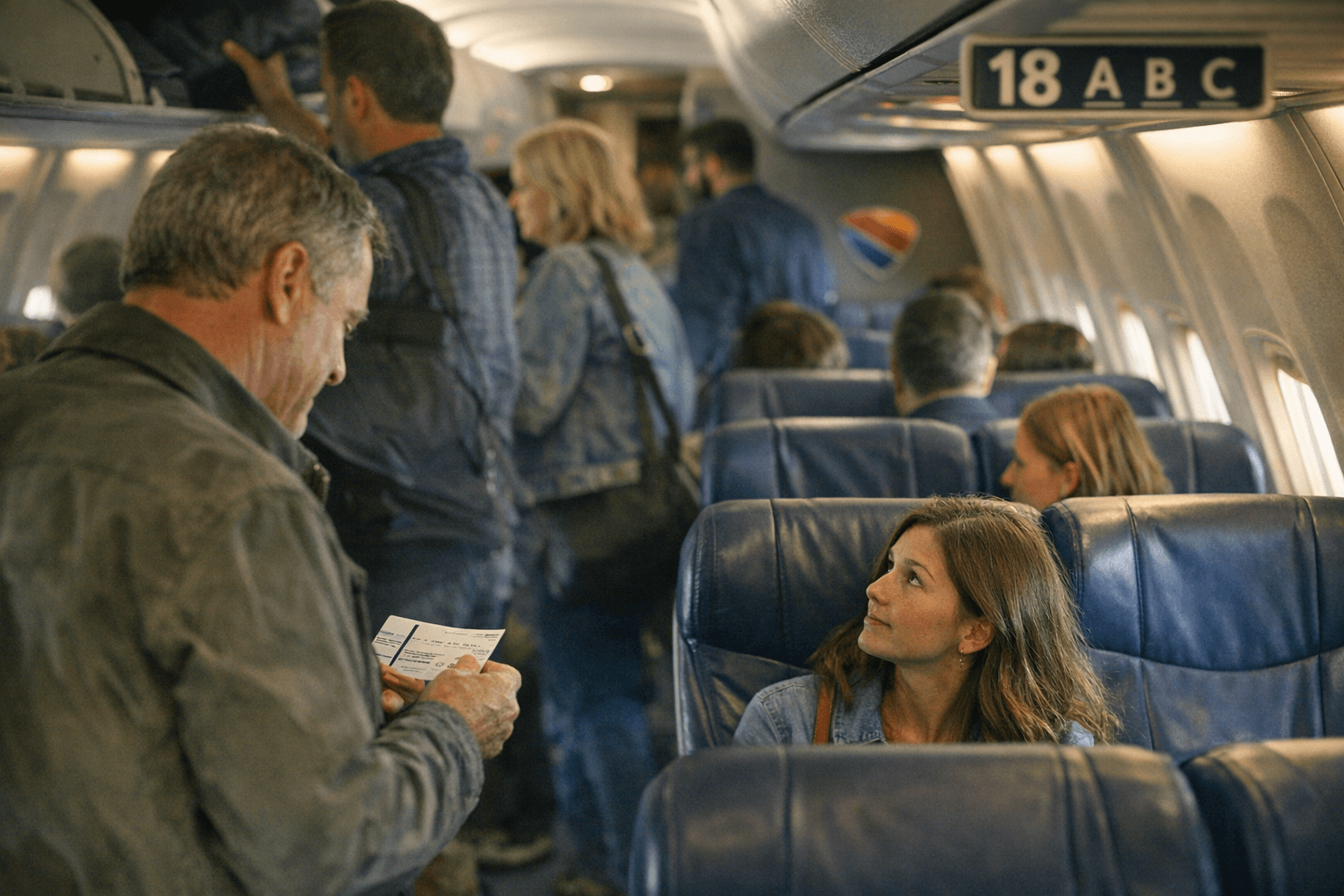
Southwest Airlines is abandoning the open-seating model that defined its brand for more than 50 years and is switching to assigned seating beginning Jan. 27, 2026. The carrier published detailed customer guidance explaining the operational change and a new product structure that includes three seat types, Standard, Preferred and Extra Legroom, and corresponding fare bundles.
The move marks a sharp strategic pivot for one of the largest U.S. carriers and embeds Southwest more fully in the industry’s modern revenue-management playbook. Assigned seating enables more granular price discrimination: by charging for preferred locations and extra legroom, airlines can extract higher ancillary revenue from passengers willing to pay for convenience and comfort. For Southwest, which long marketed simplicity and customer-friendly policies, the change is likely aimed at diversifying revenue as competitive pressure and cost inflation persist across the sector.
Operationally, the logistics of air travel at Southwest will change at scale. Open seating historically shaped boarding procedures, gate crowding and checked-bag handling; assigned seats alter passenger flows, gate operations and the technology stack for check-in and boarding. The airline will need to update reservation systems, gate displays and boarding protocols to allocate seats efficiently and avoid bottlenecks that could offset intended benefits. If implemented smoothly, assigned seating can reduce midflight seat disputes and make boarding times more predictable; if mismanaged, it risks longer dwell times and passenger frustration.
Market implications are significant. Assigned seating and monetized seat tiers tend to raise ancillary revenue per passenger, a faster-growing revenue stream across the industry than base fares in recent years. For investors, the change may be interpreted as a pathway to higher yields and improved unit revenue, though it also represents a departure from a distinctive brand promise that helped build customer loyalty. Competitors that have long used assigned seating and tiered fees will watch whether Southwest’s customers accept the tradeoff between predictability and the carrier’s traditional simplicity.
Labor and regulatory considerations will also be important. The new process will require retraining ground staff and could alter day-to-day roles for gate agents and flight attendants. Changes to boarding and seat assignment policies sometimes draw scrutiny from consumer advocates and regulators when they affect transparency or add fees that appear hidden; Southwest’s published guidance will be tested in real-time by travelers and watchdogs.
Longer term, the shift underscores a broader industry trend: legacy product differentiation is giving way to finely tuned revenue optimization, with carriers unbundling services to capture more incremental revenue. Key metrics to watch in the coming quarters will be ancillary revenue per passenger, on-time performance through gates and customer-satisfaction indicators such as Net Promoter Scores and repeat-booking rates. How Southwest balances newfound pricing flexibility with the loyalty that built its growth will determine whether this pivot strengthens its competitive position or reshapes consumer perceptions of the brand.
This article was produced by Prism’s automated news system from verified source data, official records, and press releases, then run through automated quality and moderation checks before publishing. The system is built and supervised by the people who set the standards it runs under. Read our full AI policy.
Did this article answer your question?

