Soviet Union confirms Chernobyl disaster after Sweden detects radiation leak
Swedish monitors spotted radiation over Forsmark first, forcing Moscow to admit a reactor had exploded at Chernobyl two days earlier. The delay turned a plant accident into an international crisis.
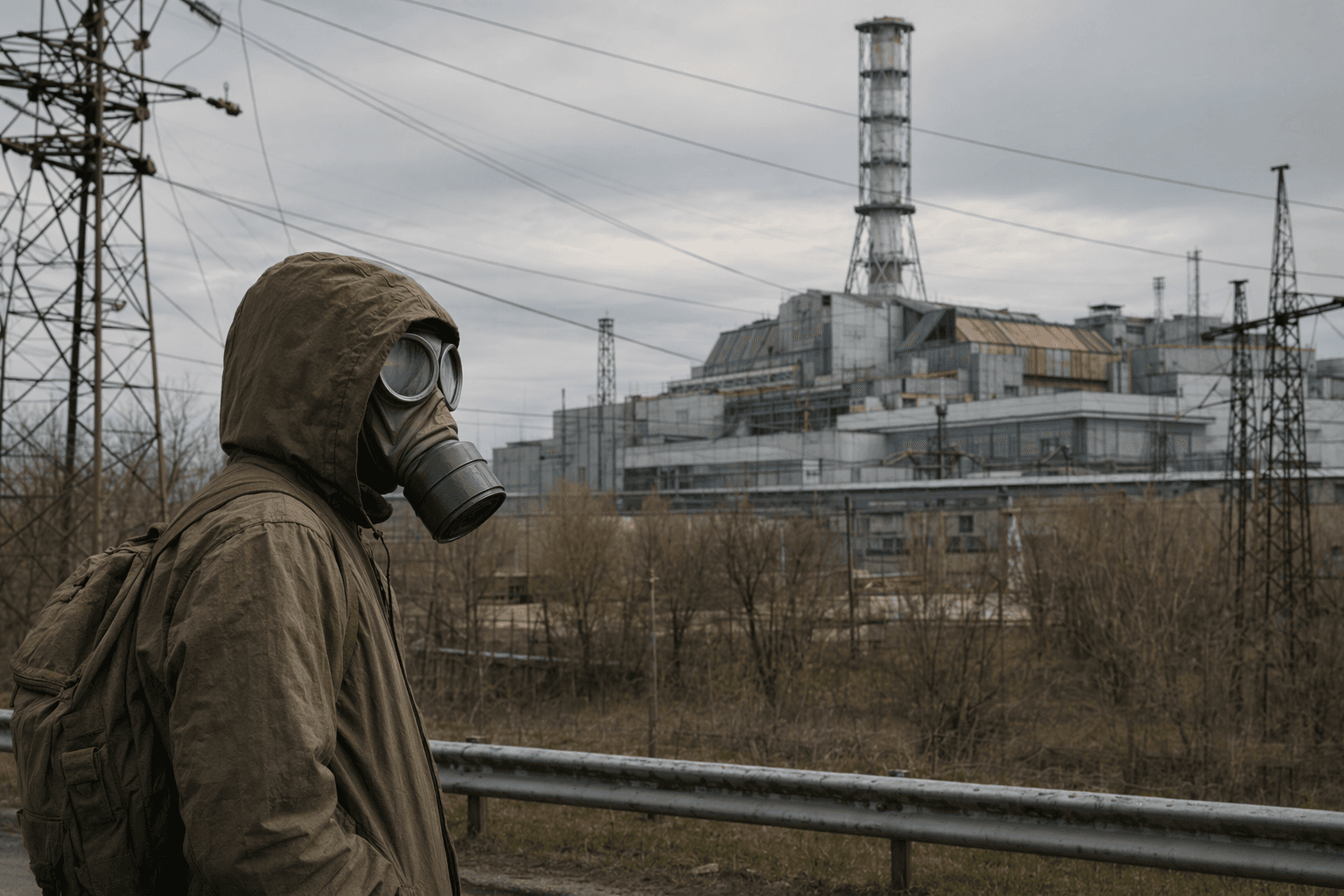
Radiation detected in Sweden forced the Soviet Union to confront the Chernobyl disaster in public, two days after Reactor No. 4 had already blown apart at the Chernobyl Nuclear Power Plant in Soviet Ukraine. By the time officials acknowledged the accident on April 28, 1986, the radioactive plume had crossed more than 1,000 miles into Scandinavia, making the breakdown of secrecy part of the catastrophe itself.
The accident began on April 26 during a low-power systems test. Reactor No. 4 went out of control, triggering an explosion and fire that destroyed the reactor building and released massive amounts of radioactive material into the atmosphere. The plant used graphite-moderated RBMK reactors, a Soviet design that later came to symbolize the risks of poor engineering, weak oversight and political pressure inside a closed system.
Swedish monitors at the Forsmark nuclear plant first detected elevated radiation levels, pushing officials to demand answers and breaking through the silence surrounding the accident. In its initial Tass statement, the Soviet government said one reactor had been damaged, casualties had occurred, aid was being sent and a government commission had been established, but it gave no casualty figures and offered no immediate accounting of the scale of the release. The acknowledgment came only after the contamination had already become impossible to contain diplomatically.
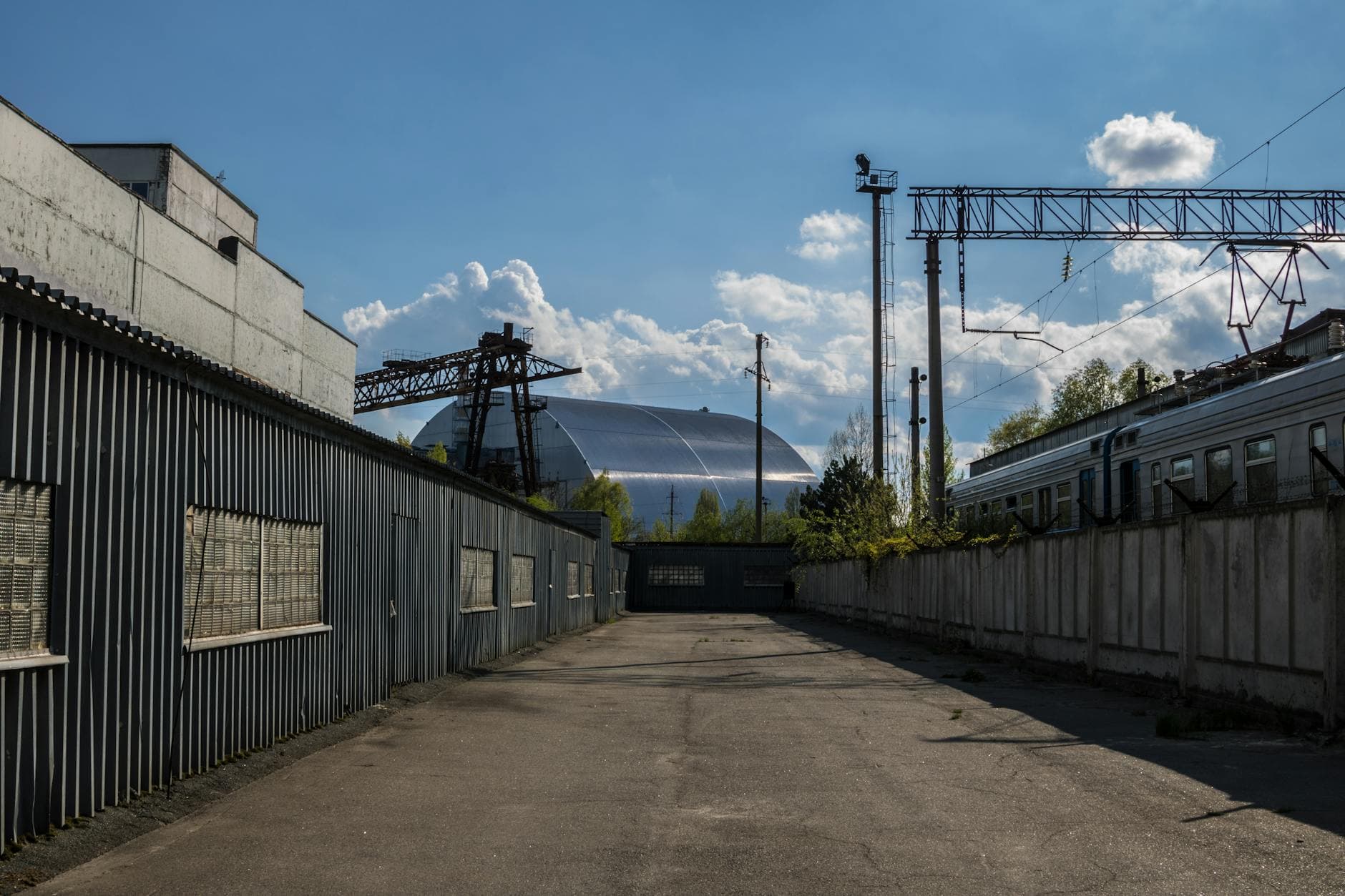
The International Atomic Energy Agency has described Chernobyl as the worst nuclear accident in history, and the human toll continued long after the fire was out. The World Health Organization says 116,000 people were evacuated from the area around Chernobyl in the spring and summer of 1986, with another 230,000 relocated in later years. The consequences spread across Ukraine, Belarus and Russia, leaving a broad contamination zone and a generation of residents living with the aftermath.
Chernobyl still matters because the disaster was not only about radiation, but about delayed disclosure when timing mattered most. When governments withhold facts during a nuclear emergency, they do not just obscure the truth; they widen the danger, weaken public trust and leave neighboring countries to make decisions in the dark. Four decades later, Chernobyl remains a warning that transparency is not a public-relations choice in a crisis. It is part of the emergency response itself.
This article was produced by Prism’s automated news system from verified source data, official records, and press releases, then run through automated quality and moderation checks before publishing. The system is built and supervised by the people who set the standards it runs under. Read our full AI policy.
Did this article answer your question?


