S&P 500 CEO pay rises nearly 6%, widening worker gap
CEO pay growth cooled to nearly 6%, but the median S&P 500 package still hit $17.7 million while worker pay rose only 4.7%.
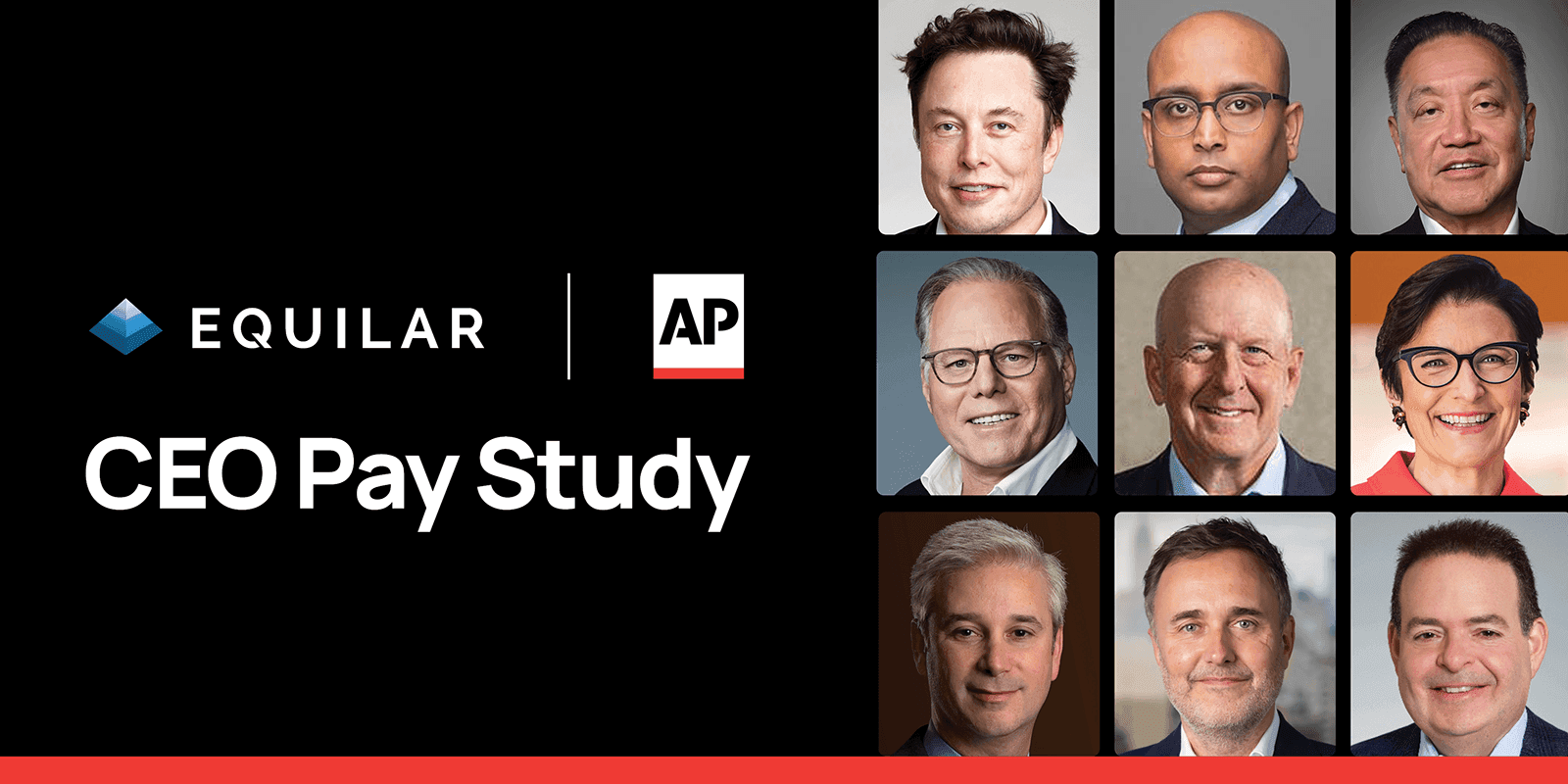
The pace of CEO pay growth slowed, but the scale remained staggering. Median compensation for top executives at S&P 500 companies rose nearly 6% in 2025 to $17.7 million, while the typical worker at those companies earned $89,744, up 4.7% from a year earlier.
That combination kept the pay gap enormous. In half of the companies in the survey, it would take the median worker 200 years to earn what the CEO made in one year, up from 192 years in the prior survey. Companies have been required to disclose that ratio since 2018, and the latest figures show how far executive compensation still runs ahead of wages even after the growth rate eased to its smallest annual increase since 2022.

The annual AP CEO compensation survey, based on data analyzed by Equilar, covered 337 executives at S&P 500 companies that had served at least two full consecutive fiscal years and filed proxy statements between Jan. 1 and April 30. The firms surveyed paid leaders more largely because boards rewarded bigger profits and higher stock prices, and because companies also used compensation to try to keep executives in place longer. That means shareholder gains have continued to feed the same pay structures that push CEO awards higher.
The gap was especially sharp at some of the country’s best-known companies. At Coca-Cola, the CEO earned nearly 1,739 times the median worker pay of $17,947. At TJX Cos., the ratio was about 1,774 to 1. Those figures show that even where CEO pay growth has moderated, the overall gap remains vast enough to dwarf rank-and-file paychecks by any common standard.
Sarah Anderson of the Institute for Policy Studies called the continuing rise in CEO pay “obscene” at a moment when working families are still under pressure from rising costs. She pointed to ballot initiative campaigns in San Francisco and Los Angeles that would raise taxes on companies with large CEO-worker pay gaps, a sign that executive compensation is becoming a political issue as well as a corporate one.
Equilar said stock awards remained the largest component of CEO compensation in the prior year’s study, and perks rose sharply as companies increased security measures after the December killing of UnitedHealthcare CEO Brian Thompson. AP and Equilar have partnered for 15 years on the annual study, and the latest data suggests the overall trajectory has slowed only marginally, not reversed.
This article was produced by Prism’s automated news system from verified source data, official records, and press releases, then run through automated quality and moderation checks before publishing. The system is built and supervised by the people who set the standards it runs under. Read our full AI policy.
Did this article answer your question?