S&P 500 tops 7,000 as investors bet on Iran war de-escalation
The S&P 500 closed above 7,000 for the first time as investors shrugged off war risk and chased earnings-driven gains. The rally rests on a bet that Iran tensions will ease and oil will stay contained.
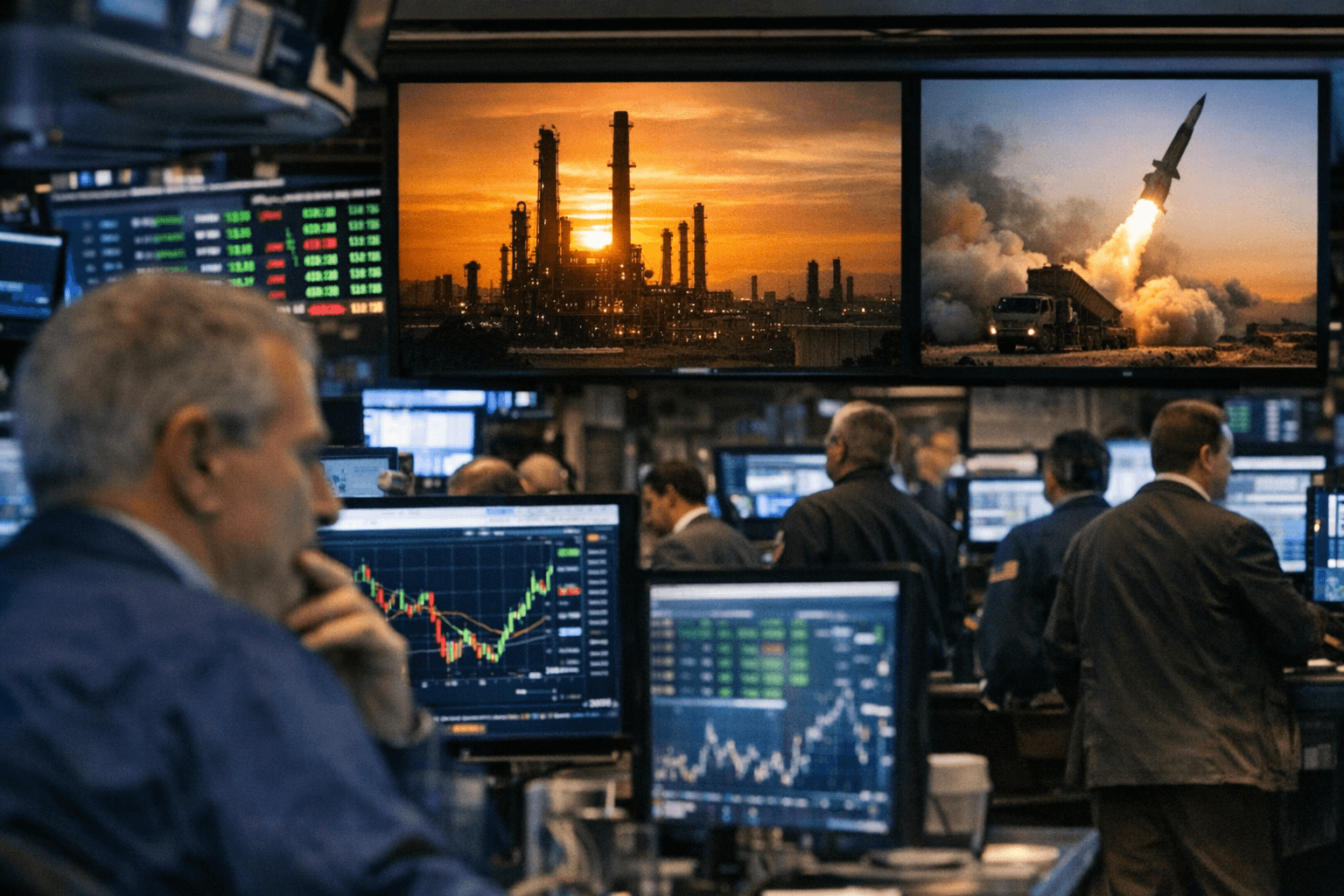
Wall Street sent a blunt message on Tuesday: investors were willing to look past an unresolved war with Iran and pay up for growth. The S&P 500 closed above 7,000 for the first time, after briefly touching an intraday record high, while the Nasdaq also reached new highs and the Dow lagged as money flowed toward tech and finance.
The milestone was as much psychological as financial. The benchmark’s previous record high was 7,002.28, set on January 28, 2026, and the latest move showed how quickly sentiment has swung from fear to confidence. Reuters reported that the rally was driven by hopes of progress in U.S.-Iran negotiations, strong corporate earnings and easing oil prices, all of which encouraged investors to move back into risk assets.
That shift matters because it reflects a market bet that the conflict will not deliver the kind of lasting damage to profits, inflation or growth that traders feared when the war began. Stocks had already been recovering for about two weeks after war-related losses, and a reported two-week ceasefire earlier in April triggered a relief rally that pushed U.S. shares higher and helped crude prices fall. Even now, energy costs remain a central concern for inflation and global growth.
The broad advance also suggests that earnings, not just geopolitics, are carrying more of the load than many expected. Reuters said investors were encouraged by corporate results and hopeful progress in the negotiations, while Bloomberg noted that stocks extended their gains as optimism over the ceasefire and robust earnings drew buyers back in. Yahoo Finance reported that the S&P 500 rose 0.8 percent to close above 7,000 and that the Nasdaq Composite gained 1.6 percent to finish above 24,000 for the first time.
Still, the rally has a fragile foundation. Some analysts have warned that the market may be underpricing the risk of renewed conflict and another oil shock, a possibility that could quickly revive inflation fears and hit profit margins. For now, though, traders are behaving as if de-escalation is the base case, and that assumption is what has carried the S&P 500 to a new summit.
This article was produced by Prism’s automated news system from verified source data, official records, and press releases, then run through automated quality and moderation checks before publishing. The system is built and supervised by the people who set the standards it runs under. Read our full AI policy.
Did this article answer your question?

