S&P Global affirms U.S. AA+ rating, cites strong revenue growth
S&P kept the U.S. at AA+ as strong tax revenue and tariff income offset rising debt pressures. The outlook stayed stable.
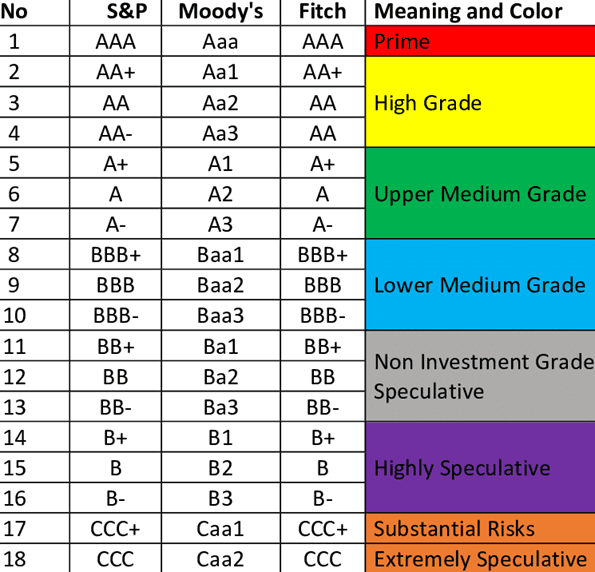
S&P Global Ratings kept the United States at AA+ on June 26, 2026, and left the outlook stable, saying the economy’s resilience and broad revenue buoyancy still outweighed the pressure from rising debt and fiscal slippage. The agency pointed to strong tax collections and solid tariff income as buffers, even as policy shifts at home and abroad continued to complicate the fiscal picture.
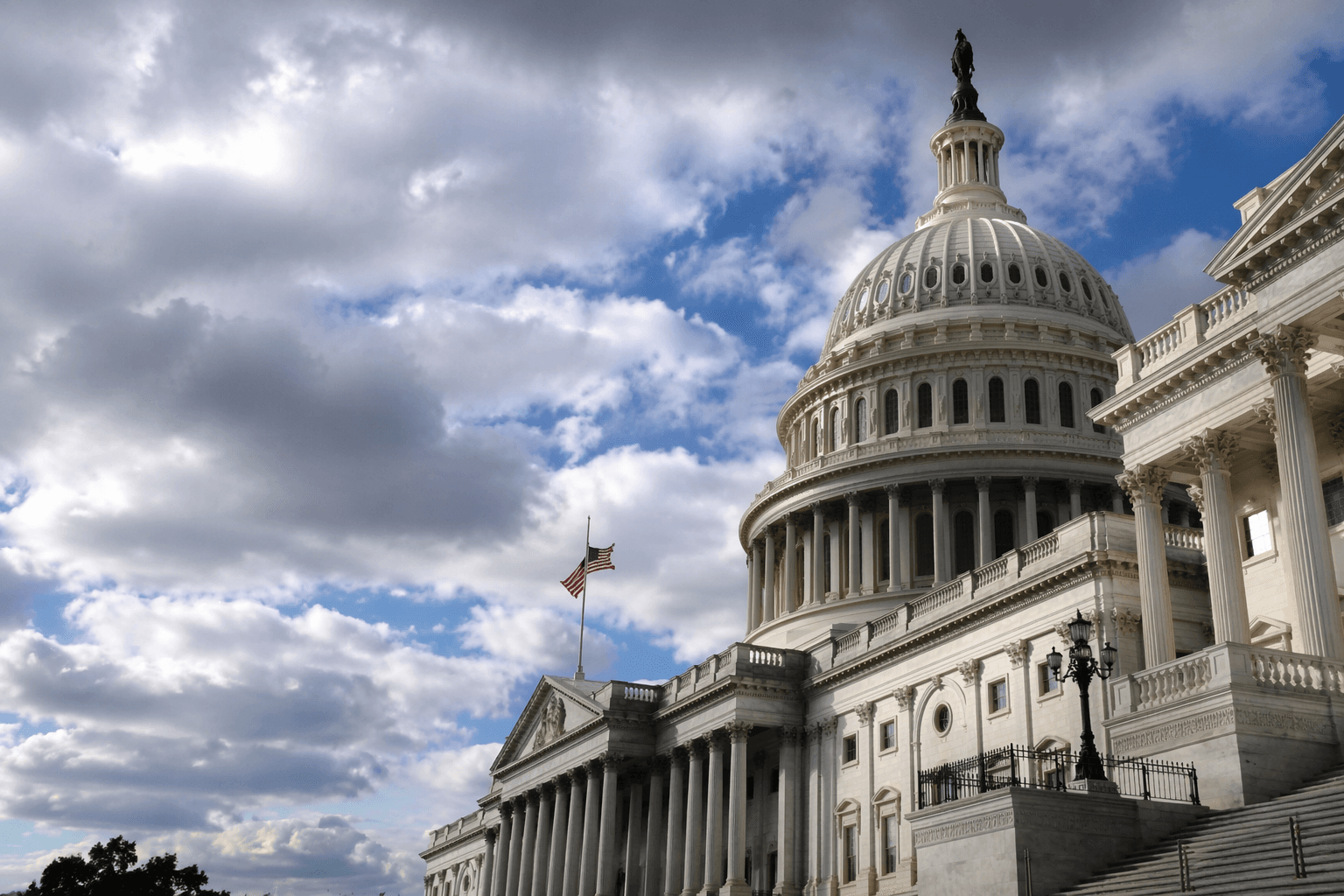
The decision matters because a sovereign credit rating can affect Treasury borrowing costs, shape investor confidence, and sharpen the political fight over deficits in Washington, D.C. By holding the rating steady, S&P signaled that the United States still has unusually powerful support from its large, diversified economy, even as lawmakers face persistent questions about debt, spending, and the long-run fiscal path.
S&P said it expects the U.S. economy to grow around 2% over 2026-2029 and flagged robust AI investment as a current driver of overall investment. It also said the Federal Reserve is still expected to steer inflation back toward its target. At the same time, the agency warned that net general government debt is likely to approach 100% of GDP, reflecting higher interest costs and spending tied to an aging population. S&P said continued tariff revenue should help offset weaker fiscal outcomes linked to recent tax-and-spending changes.
The ratings agency’s caution carries extra weight because it was the first major agency to cut U.S. sovereign debt below AAA. On Aug. 5, 2011, S&P lowered long-term U.S. government debt to AA+ during the debt-ceiling crisis, saying the Budget Control Act of 2011 fell short of stabilizing the fiscal situation and that Congress and the administration had become less stable, effective and predictable in managing debt. S&P has said the U.S. debt ceiling has been raised or suspended on almost 80 occasions since 1960.
The stable outlook suggests S&P does not see a repeat of that 2011 break for now, even with debt near 100% of GDP and deficits still vulnerable to policy shocks. For markets, the message is that U.S. fiscal strain remains real, but the country’s economic size, reserve-currency status and deep Treasury market continue to anchor its standing.
This article was produced by Prism’s automated news system from verified source data, official records, and press releases, then run through automated quality and moderation checks before publishing. The system is built and supervised by the people who set the standards it runs under. Read our full AI policy.
Know something we missed? Have a correction or additional information?
Submit a Tip