S&P keeps index rules, blocking faster entry for SpaceX IPOs
S&P kept its index rules intact, blocking a faster path for SpaceX and other mega-IPOs. The decision leaves Wall Street's biggest benchmark closed to firms still outside public-market discipline.
S&P Dow Jones Indices said on June 4, 2026 that it would not change the eligibility rules for the S&P 500, S&P MidCap 400 or S&P SmallCap 600, rejecting a proposal that would have opened a faster route for mega-cap IPOs such as SpaceX, Anthropic and OpenAI. The move keeps in place the existing seasoning period, the minimum investable-weight-factor requirement and the profitability screen, even as private companies grow large enough to test the limits of public-market benchmarks.
The rejected proposal would have cut the IPO seasoning period from 12 months to six months, exempted mega-cap companies from the S&P 500’s 0.10 minimum investable-weight-factor threshold and waived the financial viability test. S&P defined a mega-cap company as one with a market capitalization at or above the 100th-largest company in the S&P Total Market Index. S&P also said exceptions should not be granted simply because a company is large, and that its current methodology already provides broad market coverage and sector balance while preserving transparency, consistency and replicability.

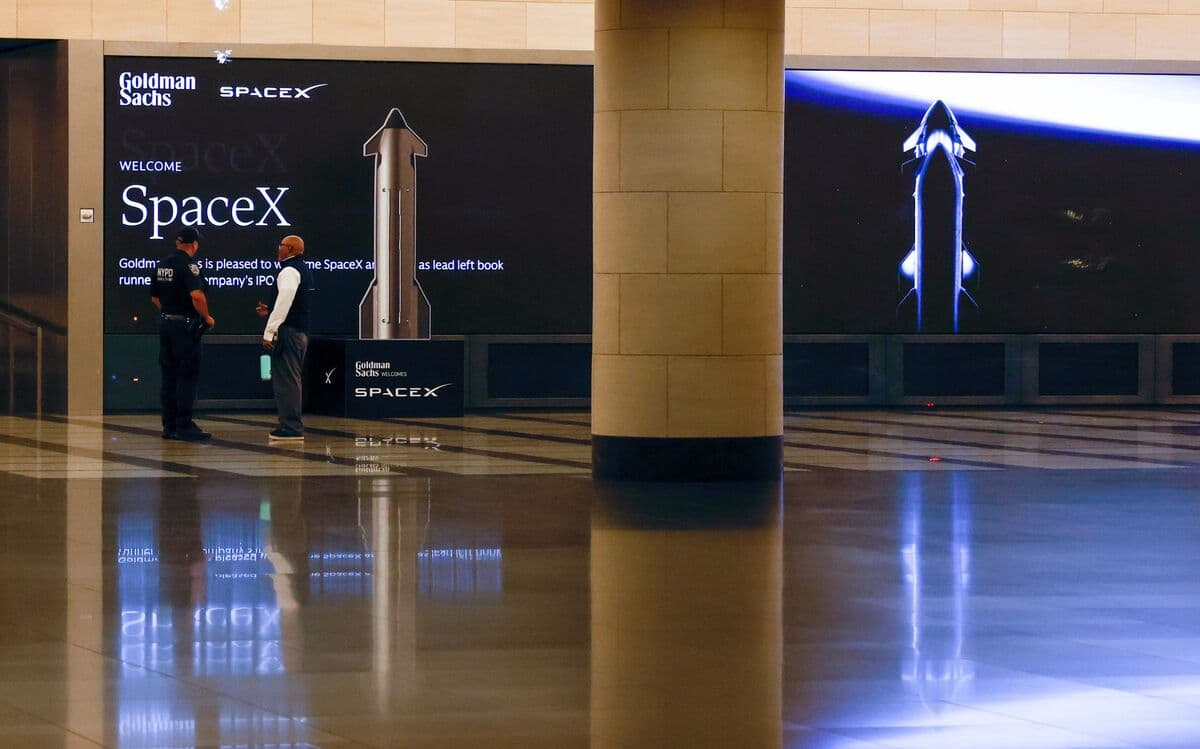
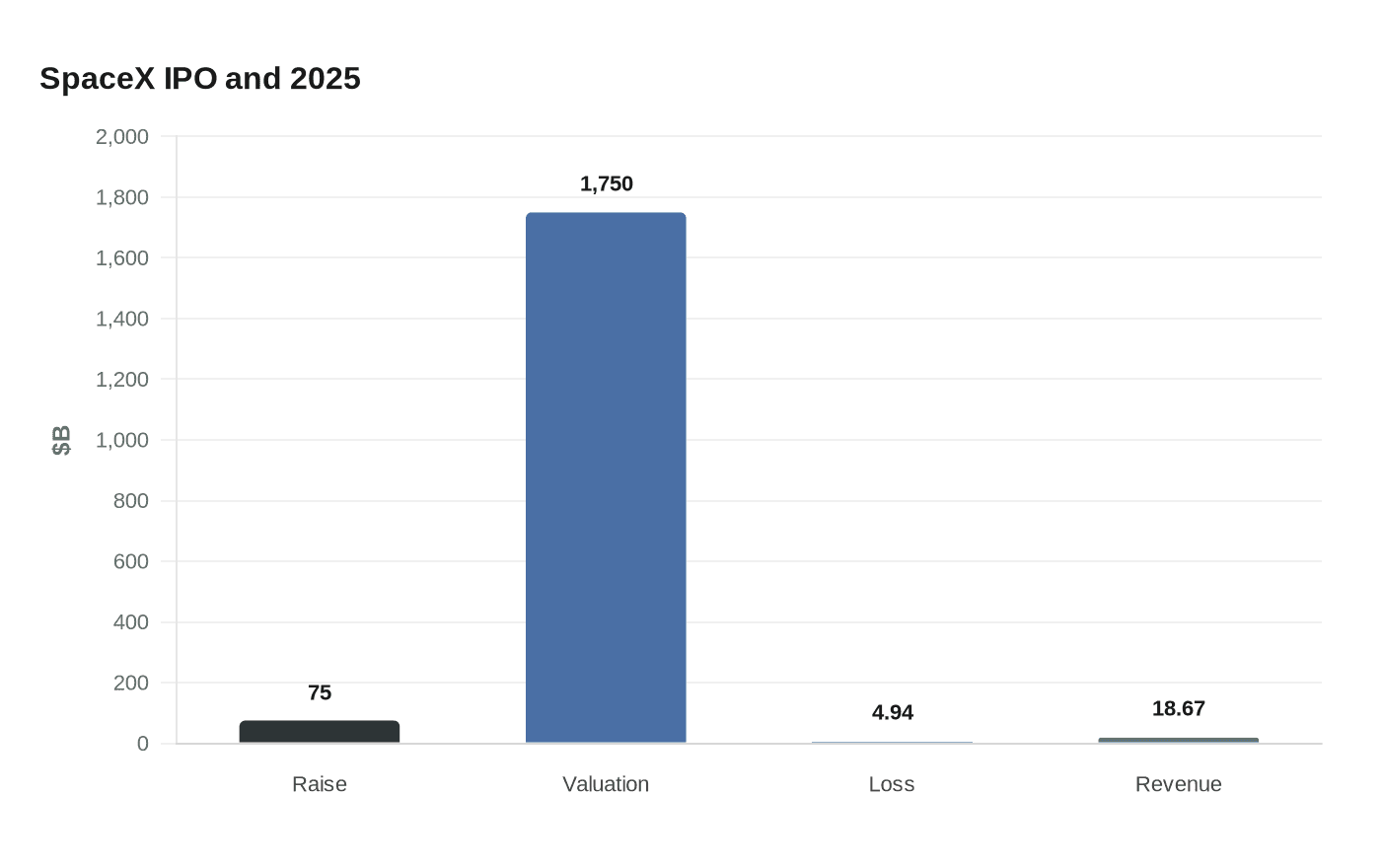
That refusal matters because SpaceX is preparing a listing on a scale few private companies have ever attempted. The company is raising $75 billion at a targeted valuation of $1.75 trillion, a level that would place it among the 10 most valuable U.S.-listed firms. But only a fraction of its shares are expected to trade, which is why passive index funds would have been forced to buy a large amount of stock if S&P had loosened its rules. SpaceX also missed the profitability bar that still governs entry to the S&P 500: the index requires a company to be profitable under GAAP in its most recent quarter and over the sum of its most recent four quarters, and SpaceX posted a net loss of $4.94 billion in 2025 even as revenue rose 33% to $18.67 billion.
S&P opened its consultation on April 30 and kept it open until May 28, saying it was monitoring anticipated IPOs with unprecedented market capitalizations. If adopted, the changes had been tentatively scheduled to take effect June 8, but the final answer was no. S&P said the consultation process is meant to preserve the independence of its Index Committee, and that the committee reviews responses but is not bound by them.
The contrast with Nasdaq is striking. Nasdaq has already changed its own rules to make it easier for SpaceX, Anthropic and other newly listed megacaps to join the Nasdaq 100, a sign that exchange operators are chasing the biggest private listings as the number of U.S.-listed companies continues to shrink. Art Hogan of B. Riley Wealth said S&P’s rules-based approach made sense, and that making exceptions for very large but still unprofitable companies did not. For now, S&P is holding the line, and the largest private names in the market will still have to clear the same public tests as everyone else.
This article was produced by Prism’s automated news system from verified source data, official records, and press releases, then run through automated quality and moderation checks before publishing. The system is built and supervised by the people who set the standards it runs under. Read our full AI policy.
Did this article answer your question?