Space-Eyes plans $638 million SPAC deal amid defense-tech boom
Space-Eyes is merging with McKinley Acquisition Corp. in a $638 million deal that puts Eric Trump-backed drone defense into public markets.
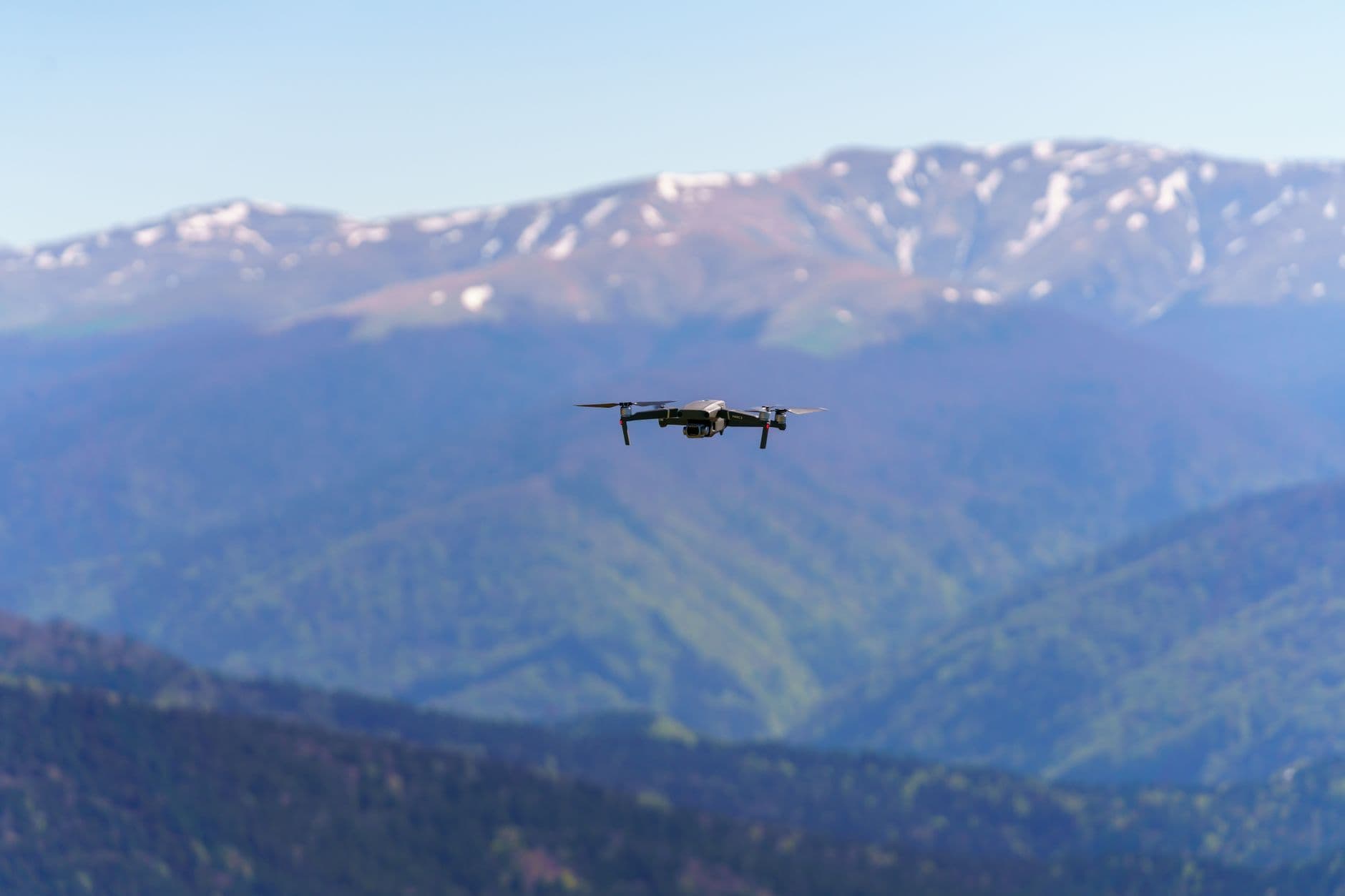
Space-Eyes agreed to go public through a $638 million merger with McKinley Acquisition Corp., a move that will take the AI-powered defense technology company into public markets and attach a Trump-family political brand to one of the year’s more notable blank-check listings.
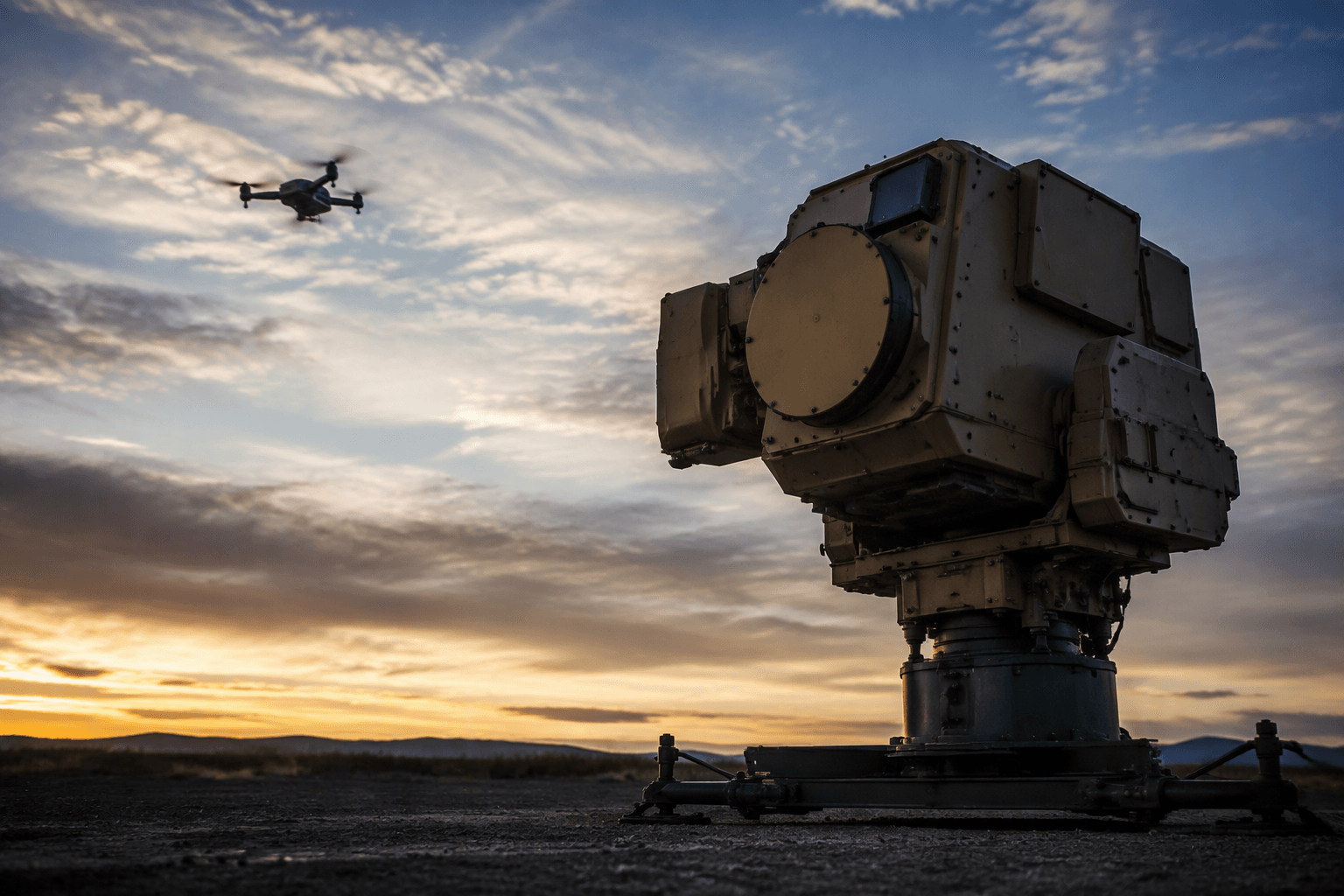
The deal centers on systems built to detect and fight drones, along with geospatial intelligence capabilities that Space-Eyes says can deliver real-time situational awareness across land, sea and air. The company’s business combination is designed to expand its counter-drone and intelligence platforms worldwide, with governments and enterprises as target customers.
Eric Trump’s backing is likely to make the transaction more visible, and more closely watched, than a typical defense-tech SPAC. The Independent said he is expected to advise the company on security threats posed by drones and other emerging technologies, drawing on his experience with White House security issues. That connection could help Space-Eyes stand out in a crowded market, but it also raises the level of scrutiny around governance, political influence and whether the valuation is driven by business fundamentals or family name recognition.
The listing also lands at a moment when defense technology remains one of the more durable themes in public markets. Investors have kept paying attention to companies that blend software, autonomy and national-security use cases, especially as geopolitical tensions, modernization needs and drone threats continue to reshape procurement priorities. A SPAC can give a young company speed, visibility and the ability to pitch long-term projections in a way that a traditional IPO sometimes does not.
At the same time, the broader blank-check market has cooled from its earlier boom, and public investors have become more selective about which SPACs deserve fresh capital. Space-Eyes will have to show that its $638 million valuation rests on contracts, revenue potential and product performance, not just on the appeal of a politically connected story. If the merger closes and the company can convert attention into customer wins, it could become a model for other defense-oriented startups looking to reach the market through alternative routes.
This article was produced by Prism’s automated news system from verified source data, official records, and press releases, then run through automated quality and moderation checks before publishing. The system is built and supervised by the people who set the standards it runs under. Read our full AI policy.
Did this article answer your question?