SpaceX Cargo Dragon launches 6,500 pounds of NASA science to ISS
A weather-delayed Dragon carried nearly 6,500 pounds of science, supplies and spare parts, including experiments on bone loss, blood, space weather and planet formation.
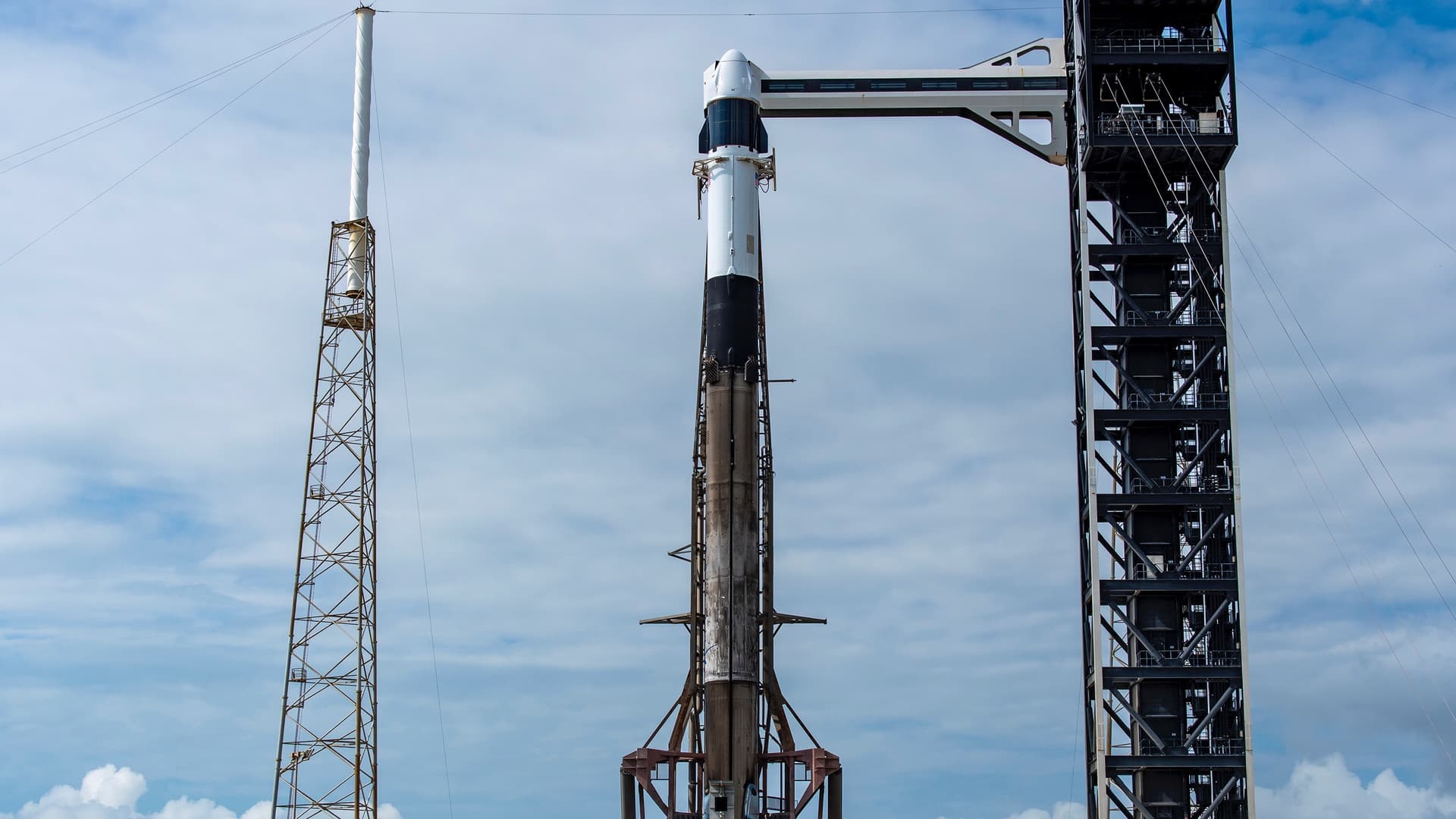
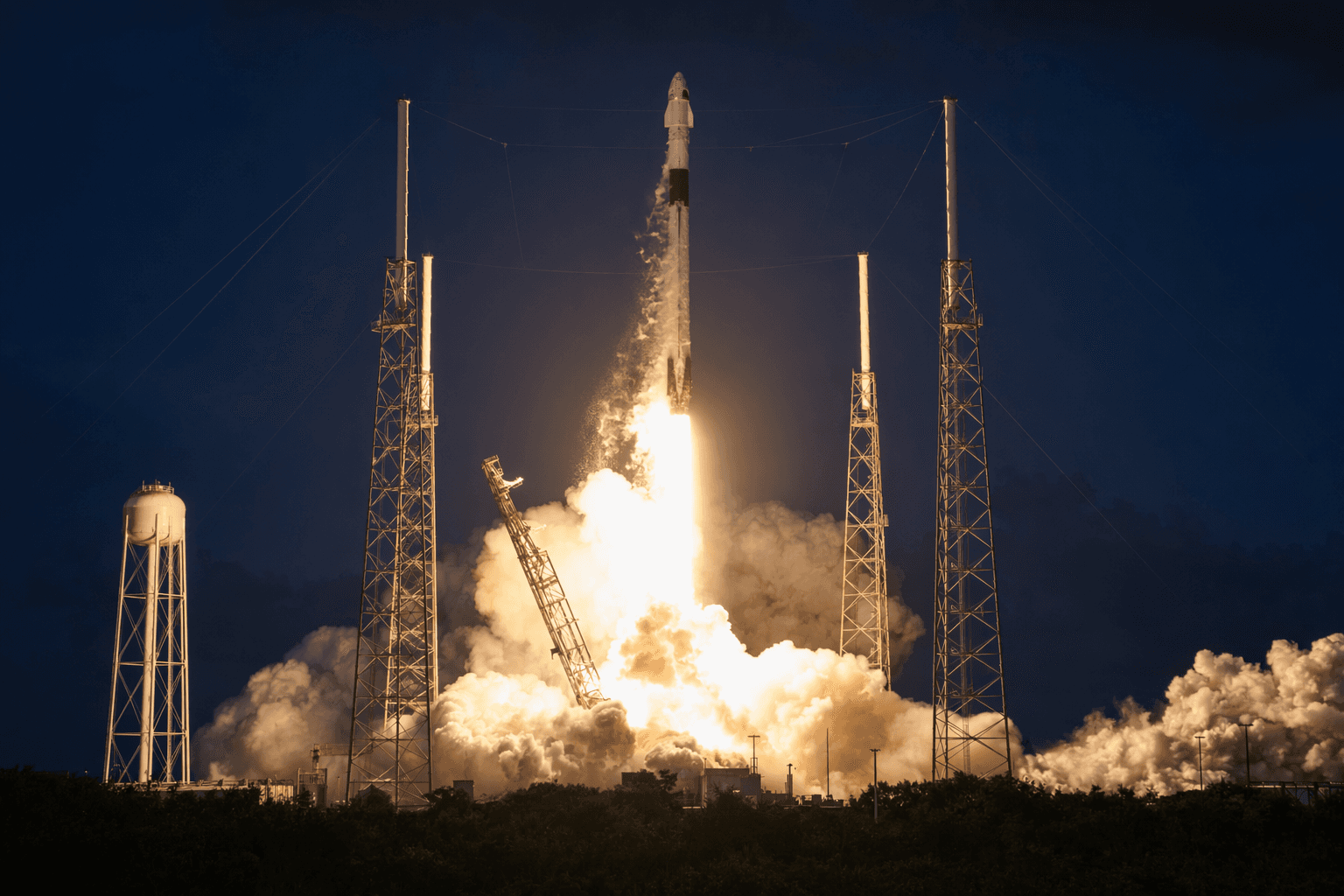
SpaceX sent a Cargo Dragon toward the International Space Station on Friday with nearly 6,500 pounds of cargo, a shipment that underscores how routine supply runs keep the outpost operating. The Falcon 9 lifted off from Space Launch Complex 40 at Cape Canaveral Space Force Station in Florida at 6:05 p.m. EDT, three days later than planned after weather pushed the launch back.
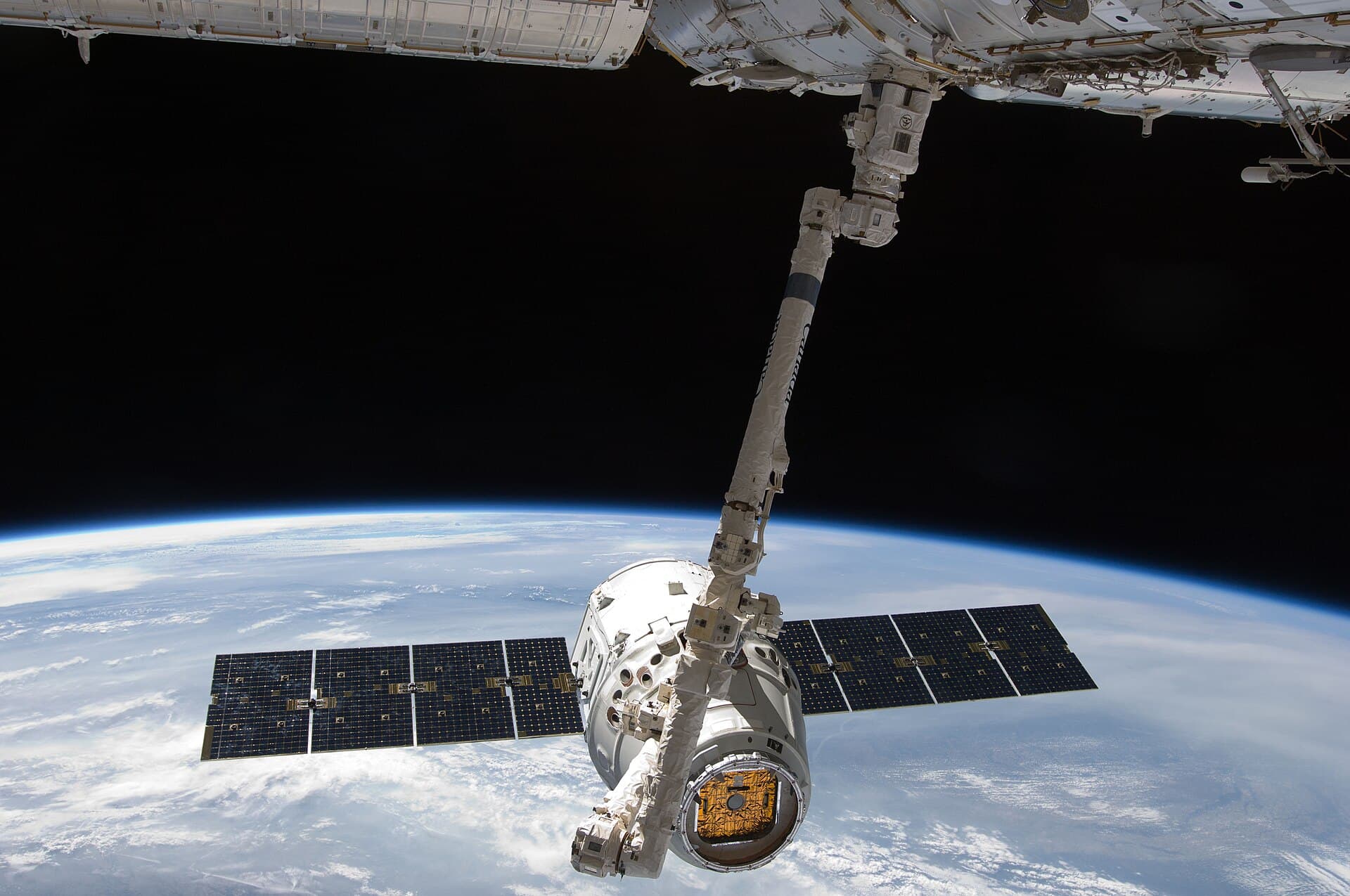
NASA identified the flight as the 34th SpaceX commercial resupply mission under contract with the agency. The Dragon is set to dock autonomously at about 7 a.m. Sunday, May 17, at the forward port of the station’s Harmony module, carrying food, supplies and equipment for Expedition 74. It will stay attached until mid-June, then bring back time-sensitive research and cargo for a splashdown off the California coast.
The shipment is more than a replenishment run. Its manifest includes experiments designed to show how well Earth-based simulators replicate microgravity, a wood-based bone scaffold being studied for fragile-bone conditions such as osteoporosis, and equipment to examine how red blood cells and the spleen change in space. Other payloads will study charged particles around Earth that can disrupt power grids and satellites, investigate how planets form, and measure sunlight reflected by Earth and the Moon. NASA said the mission supports biology, biotechnology, physical sciences and Earth and space science research tied to the station’s broader role in long-duration human spaceflight and future Artemis and Mars goals.
The launch also marked a milestone for SpaceX. Bill Spetch, NASA’s ISS operations integration manager, said this is the first Cargo Dragon spacecraft to head to the station for a sixth time. CBS News said the capsule carried nearly a ton of research gear, samples and other material for about 50 science investigations, including water purification hardware and work tied to space weather.
Spaceflight Now reported that Falcon 9 booster B1096 flew for a sixth time and landed back at Landing Zone 40 after liftoff. That kind of recovery is now part of the cadence that keeps ISS logistics moving: launch, rendezvous, unload, then refill the capsule with completed experiments and other return cargo before Dragon heads home.
This article was produced by Prism’s automated news system from verified source data, official records, and press releases, then run through automated quality and moderation checks before publishing. The system is built and supervised by the people who set the standards it runs under. Read our full AI policy.
Did this article answer your question?


