SpaceX IPO terms and Musk pay plan tilt power toward him
SpaceX’s IPO setup would leave Musk with supervoting control, limited board checks and an extreme pay plan tied to Mars and a $7.5 trillion valuation.
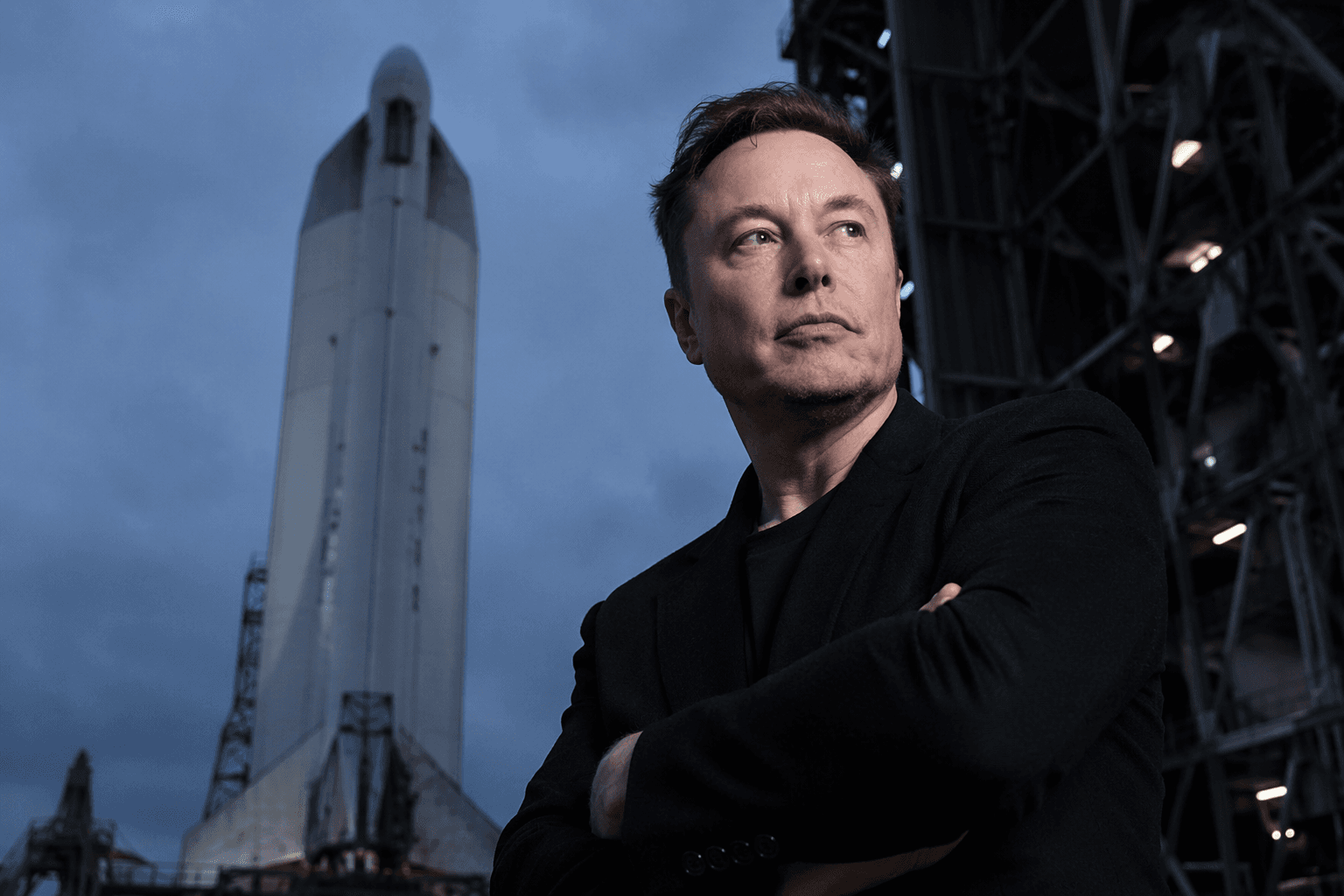
SpaceX had built a public-market structure that would leave Elon Musk with control few shareholders could challenge. Its filing said the company would keep controlled-company status after the IPO, so it would not need a majority-independent board or independent compensation and nominating committees, and only the audit committee had to be fully independent.
That arrangement mattered because the company was also layering supervoting shares, mandatory arbitration, tighter rules on shareholder proposals and Texas corporate law into the offering. Those terms would sharply limit investors’ ability to sue in court, force governance votes or pressure management, while Musk would keep majority control through supervoting shares. In practice, the only person who could fire Musk was Musk himself.
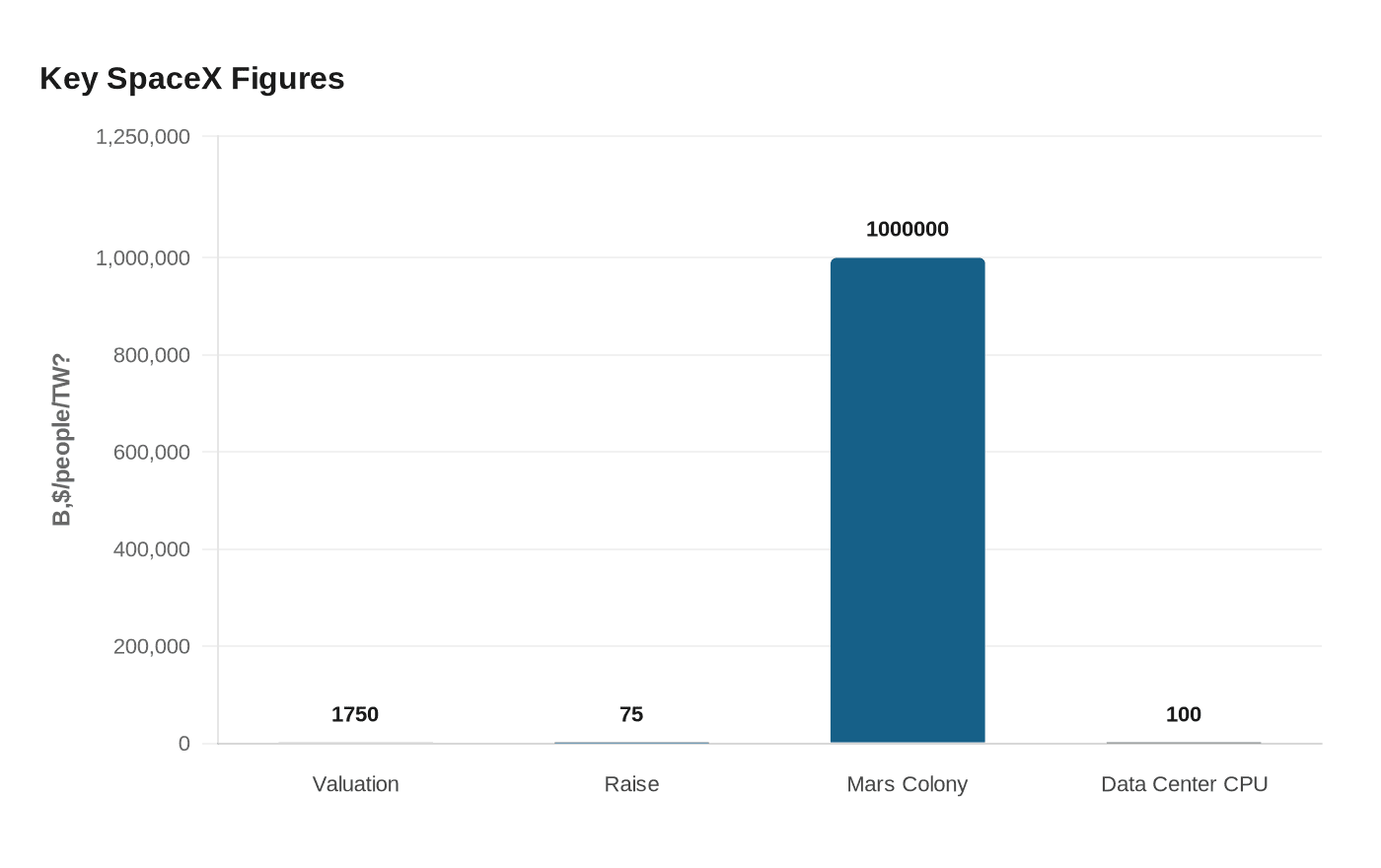
The scale of the offering raised the stakes. SpaceX was expected to seek a valuation of about $1.75 trillion and raise as much as $75 billion, putting it among the largest listings ever attempted. Yet the governance protections looked far looser than the norm for public companies. A 2024 National Association of Corporate Directors study found that only 3% to 4% of Russell 3000 companies had insider board majorities, underscoring how far SpaceX would move from standard shareholder protections.
The board’s compensation plan for Musk, approved in January, pushed even further. One award would grant him 200 million super-voting restricted shares if SpaceX reached a $7.5 trillion market value and established a permanent human colony on Mars with at least 1 million people. Another could deliver as many as 60.4 million restricted shares if the company met separate valuation milestones and operated space-based data centers with at least 100 terawatts of compute capacity. Musk had also been paid a nominal salary of $54,080 a year since 2019, and as of Dec. 31 he held 68.8 million previously awarded Class B stock options with a strike price of about $42 and an expiration in 2031.
The structure already had drawn pushback. On May 13, leaders of three major U.S. public pension systems, New York State Comptroller Thomas DiNapoli, New York City Comptroller Mark Levine and CalPERS CEO Marcie Frost, wrote to Musk with “serious concerns” about the company’s “extreme” governance setup. Bruce Herbert said the package closed the voting door, the courthouse door and the proposal door at once. Ann Lipton said investors could still buy in because Musk could generate strong market returns and trigger a fear of missing out if SpaceX became a dominant public company.
The tension does not stop at SpaceX. Tesla’s board had already awarded Musk a separate 10-year pay package worth roughly $1 trillion, raising the likelihood of overlap between two companies where he sits at the center of power. For investors, regulators and pension funds, the harder question is no longer whether SpaceX can go public. It is who, if anyone, can constrain Musk once it does.
This article was produced by Prism’s automated news system from verified source data, official records, and press releases, then run through automated quality and moderation checks before publishing. The system is built and supervised by the people who set the standards it runs under. Read our full AI policy.
Know something we missed? Have a correction or additional information?
Submit a Tip