SpaceX plans record IPO, Musk keeps near-total voting control
SpaceX is heading for a $75 billion IPO while Musk would keep about 84% of the voting power. Public pension leaders called the structure extreme.
SpaceX is preparing to tap public markets on terms that leave Elon Musk with near-total control of the company he built. The filing points to a dual-class structure that would give Musk and a small circle of insiders super-voting shares, even as ordinary investors buy into one of the largest stock-market debuts ever attempted.
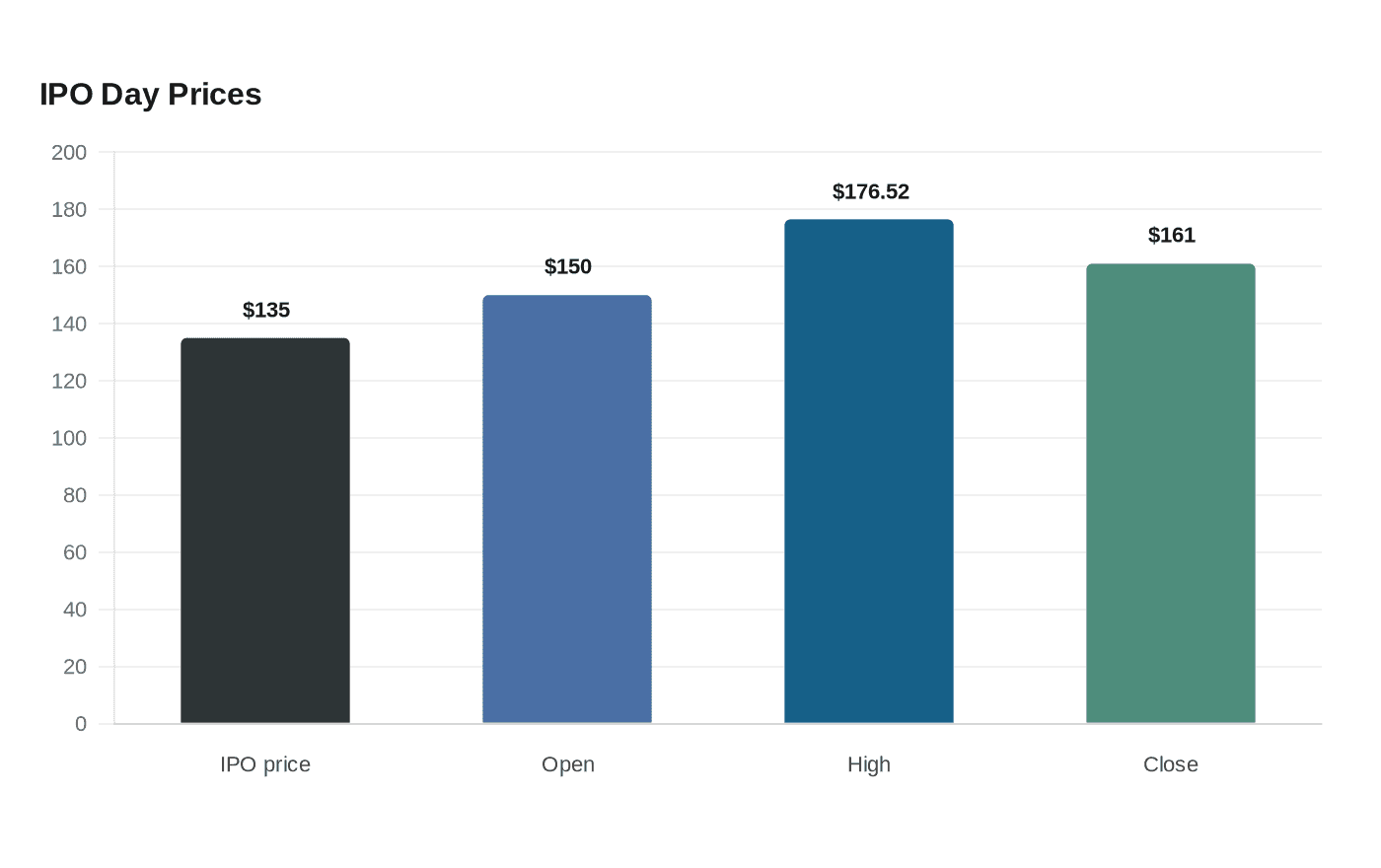
The company is targeting as much as $75 billion in proceeds at an indicated valuation of about $1.75 trillion, with an initial offer price reported at $135 a share. SpaceX’s prospectus said Musk would remain chief executive, chief technology officer and chairman of the board, underscoring how little the IPO would change the company’s command structure even as it opens the door to public ownership.
Under the proposed structure, public Class A shares would carry one vote each, while insider Class B shares would carry 10 votes. A filing tied to the offering said Musk would hold roughly 83.8% to 85% of the voting power while owning a much smaller share of the equity. Another SEC filing, assuming a $135.00 offering price, put his voting power at approximately 82.4%.
That gap between economic ownership and control has triggered sharp criticism from public pension leaders in New York, California and New York City. Thomas P. DiNapoli of the New York State Common Retirement Fund, Marcie Frost of CalPERS and New York City Comptroller Mark Levine called the structure extreme and urged SpaceX to adopt one-share, one-vote governance, a board with a majority of independent directors and a sunset on super-voting shares. The three pension systems said they represented more than $1 trillion in combined assets.
SpaceX has been pitching the deal through closed-door analyst meetings at Starbase in Boca Chica, Texas, and at a data center in Memphis, Tennessee. The roadshow comes after a major shift in the company’s finances: a February 2026 all-stock merger with xAI, Musk’s artificial-intelligence company, valued the combined entity at $1.25 trillion and brought xAI’s cash burn onto SpaceX’s books.
The numbers show why investors are being asked to look past the governance fight. SpaceX reported 2025 revenue of $18.67 billion and a net loss of $4.94 billion after the merger was folded in. That marked a sharp reversal from 2024, when standalone SpaceX made about $791 million in profit on roughly $14 billion in revenue.
Starlink now accounts for about 60% of sales, with around 10.3 million users and roughly 9,600 satellites in service. Investors are betting that that business, along with reusable rockets, can justify the valuation. For critics, the bigger issue is what kind of public company SpaceX would become: one that can raise record sums in the market while insulating Musk from the shareholder pressure that typically comes with it.
This article was produced by Prism’s automated news system from verified source data, official records, and press releases, then run through automated quality and moderation checks before publishing. The system is built and supervised by the people who set the standards it runs under. Read our full AI policy.
Know something we missed? Have a correction or additional information?
Submit a Tip