SpaceX pushes Starship launch to Thursday after booster engine issue
SpaceX pushed Starship's 13th test flight to Thursday after a Super Heavy engine anomaly scrubbed liftoff at the last second.
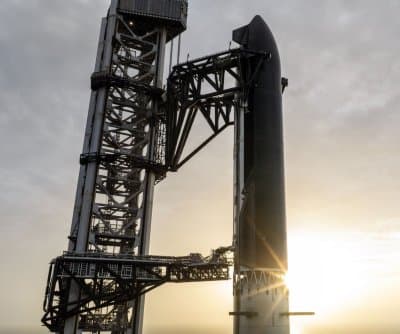
SpaceX pushed its next Starship launch attempt to Thursday after a booster engine issue scrubbed the mission at the last second. The setback hit Starship’s 13th test flight, a closely watched run for the reusable rocket system that SpaceX wants to carry people and cargo far beyond Earth orbit.
The launch window opened at 6:45 p.m. ET from Starbase in Cameron County, Texas. Before liftoff, some of the Super Heavy booster’s Raptor engines failed to ignite, and the abort followed a post-ignition anomaly in the booster section. That kind of failure matters because Starship flights are not routine operations; each one is part of a live engineering campaign in which propulsion, software, and ground systems have to line up in a narrow window.
Starship is built as a two-stage vehicle, with the Super Heavy booster underneath and the upper-stage spacecraft also called Starship. The flight profile is designed to prove whether SpaceX can move closer to full reusability, a requirement that underpins the company’s long-term Mars plans and much of its case for cheaper heavy-lift access to space. A slip of even a day can force changes in range scheduling, weather coordination, booster inspections, and internal readiness reviews.
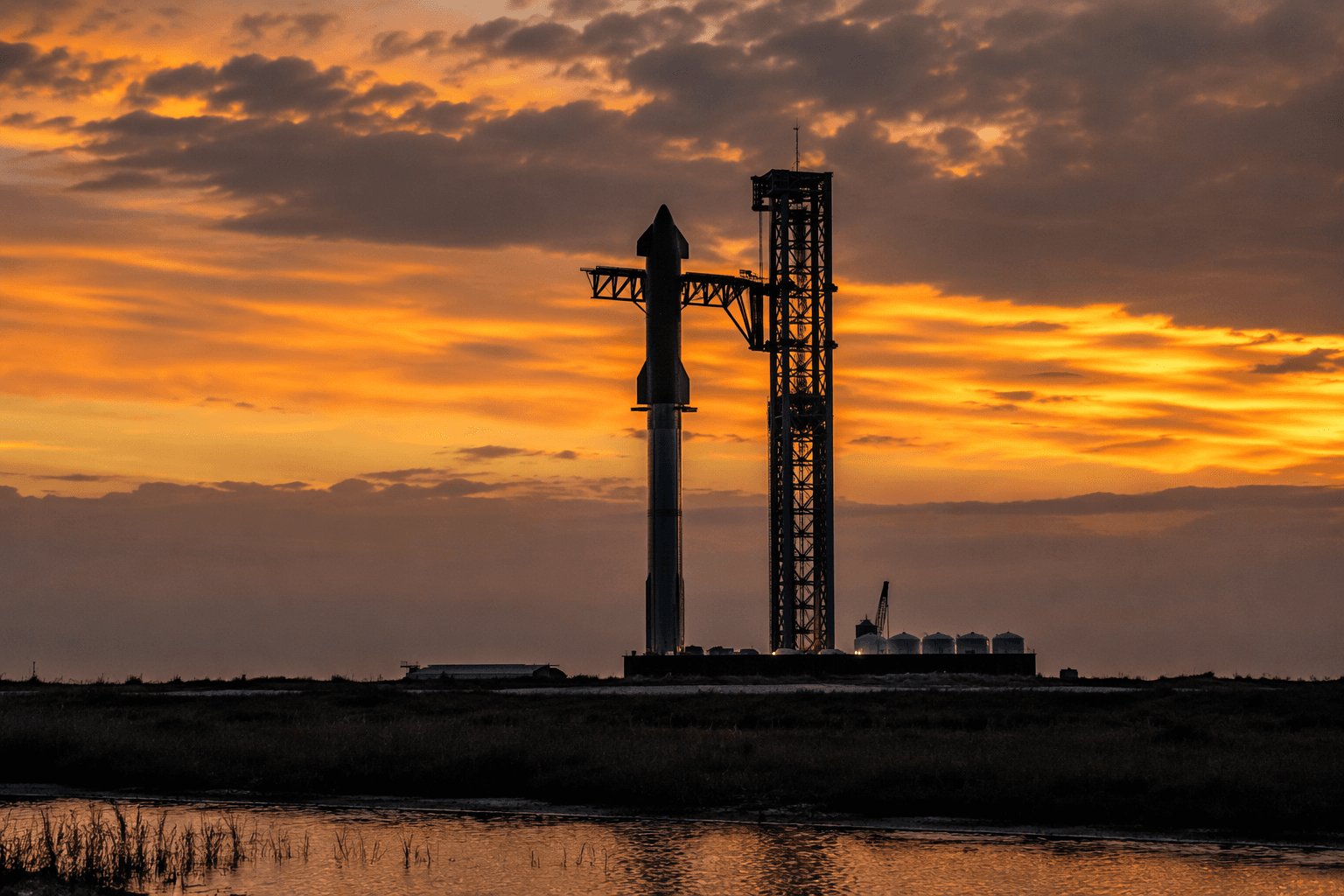
The consequences reach well beyond one launch site in Texas. NASA is counting on Starship for its planned human lunar landing architecture, which makes each test a milestone for U.S. space policy as well as for SpaceX. Commercial satellite operators are watching just as closely, because the rocket’s payload capacity could reshape the market if the vehicle can eventually fly reliably and repeatedly.
The mission also carried a direct commercial payoff. It was expected to help deploy the first Starlink V3 satellites, tying the test flight to SpaceX’s broadband business as well as its broader launch ambitions. That makes the schedule change more than a simple delay: it is a reminder that Starship sits at the intersection of engineering risk, investor expectations, and the company’s effort to turn a developmental rocket into an operational system.
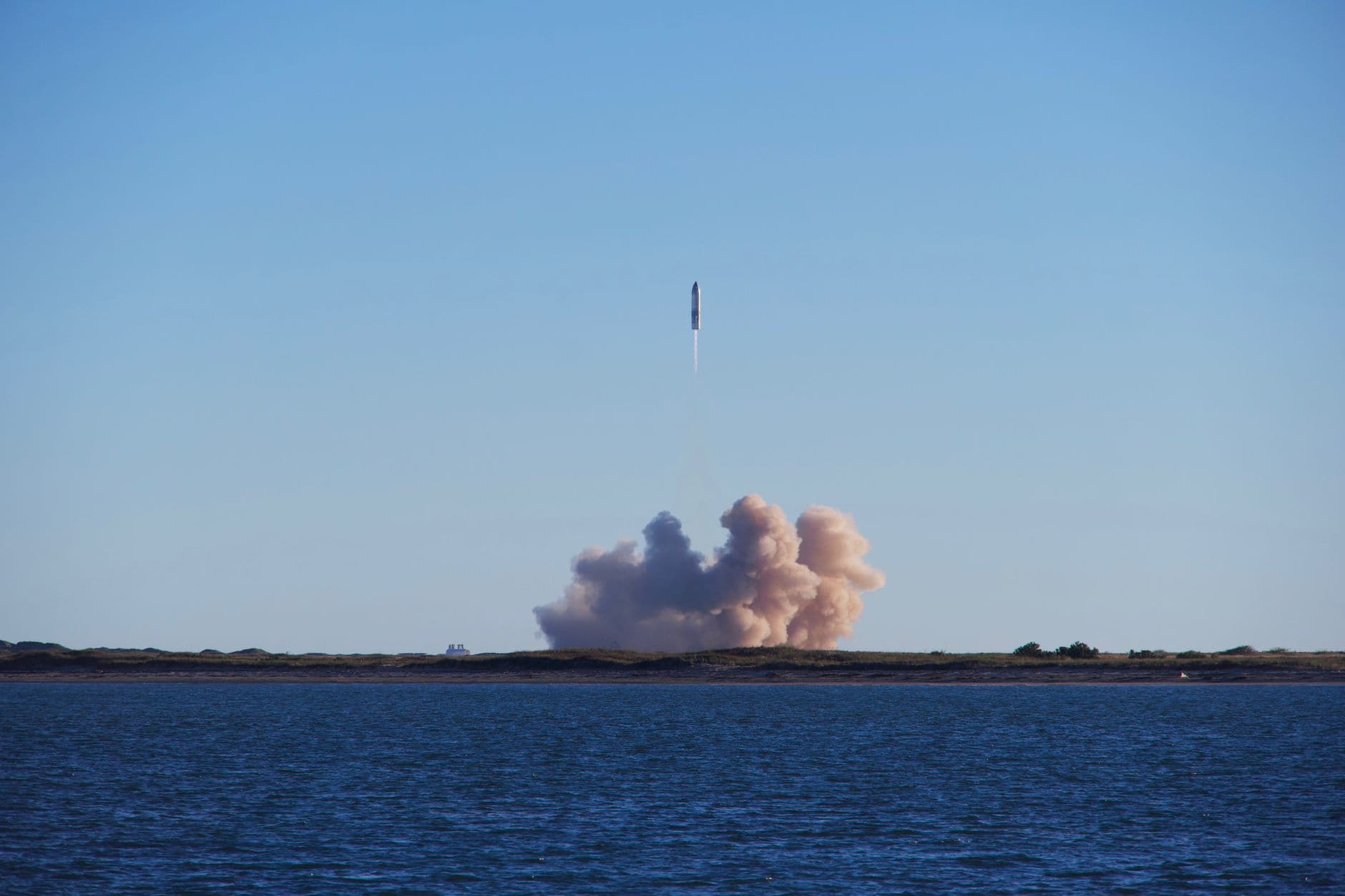
After the abort, SpaceX was targeting another attempt the following week. For a program built around rapid iteration, the reset was part of the process, but the latest engine issue showed how much still has to work before Starship can support lunar missions, commercial payloads, and the next phase of U.S. deep-space planning.
This article was produced by Prism’s automated news system from verified source data, official records, and press releases, then run through automated quality and moderation checks before publishing. The system is built and supervised by the people who set the standards it runs under. Read our full AI policy.
Did this article answer your question?