SpaceX soars in record IPO, valuing company at $1.8 trillion
SpaceX’s $75 billion IPO minted a new class of paper billionaires, while late buyers chased a $1.8 trillion price tag and a first-day trading frenzy.

SpaceX’s public debut was less a simple stock sale than a redistribution of wealth at unprecedented scale. The company priced 555,555,555 Class A shares at $135 apiece, raising $75 billion and implying a valuation of about $1.8 trillion, more than twice Saudi Aramco’s $29.4 billion record IPO in 2019. The biggest immediate winners were not the index investors who arrived after pricing, but Elon Musk, early backers and employees who had been sitting on paper stakes inside one of the most valuable private companies ever formed.
The structure of the offering made that concentration even clearer. SpaceX reserved up to 5% of IPO shares for certain employees and selected executives’ friends and family, and those shares were exempt from lock-up restrictions. That gave insiders a direct path to liquidity while most of the market was still waiting for first-day trading to settle. Bloomberg said the deal put Musk on the verge of becoming the world’s first trillionaire, underscoring how a single offering can turn years of private ownership into public-market wealth in one stroke.
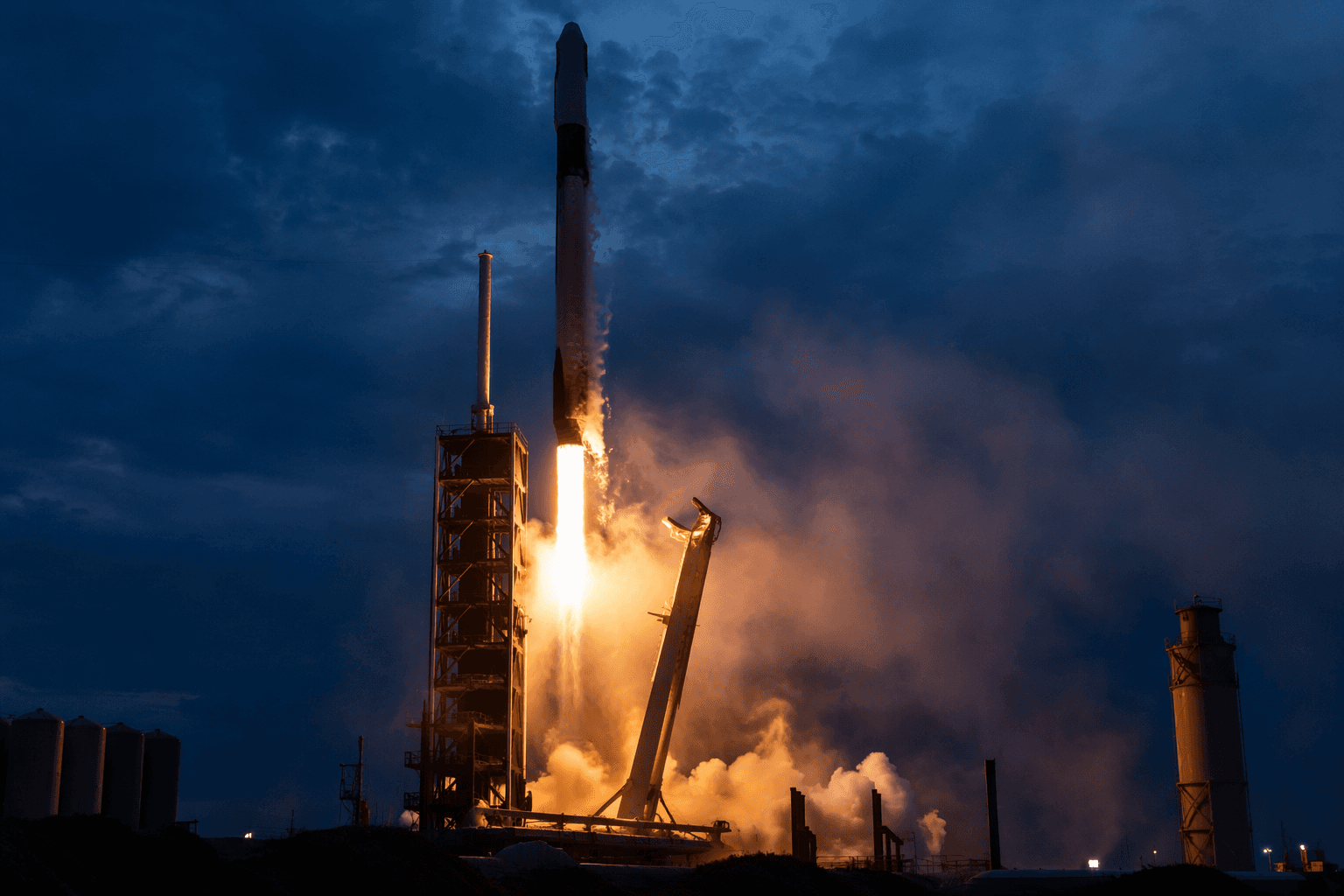
For SpaceX, the deal also capped a long arc that began in 2002, when Musk founded the company to push space technology toward a goal of eventually enabling people to live on other planets. By 2020, SpaceX had already become the first private company to launch and return a spacecraft from Earth orbit and the first private company to send astronauts to the International Space Station. That track record gave the IPO a rare mix of engineering credibility and speculative gravity, helping drive demand well beyond the United States.
Reuters reported that Japanese investors sought more than $6.2 billion worth of SpaceX shares, a sign of how global the appetite had become. On June 12, the first trading day, Bloomberg reported a 19% return, while CNBC said more than 500 million shares changed hands. Yahoo Finance later said the stock jumped nearly 30%, highlighting the volatility that often follows a blockbuster debut priced for perfection.
The bigger question is who really benefits when a private-tech giant goes public at this scale. SpaceX’s latest filing shows why the answer may be uneven: Starlink generated about $11.4 billion of SpaceX’s $18.7 billion in fiscal 2025 revenue, and about $3.3 billion in the first quarter of 2026, making the satellite unit the core engine behind the valuation. That means the IPO was not just a bet on rockets, but on a broadband business that helped turn SpaceX into a market phenomenon and a test case for whether public investors are buying into the next industrial platform or simply arriving after the biggest gains have already been made.
This article was produced by Prism’s automated news system from verified source data, official records, and press releases, then run through automated quality and moderation checks before publishing. The system is built and supervised by the people who set the standards it runs under. Read our full AI policy.
Know something we missed? Have a correction or additional information?
Submit a Tip