SpaceX targets record $75 billion IPO, eyes $1.75 trillion valuation
SpaceX is pricing a $75 billion IPO at $135 a share, a deal that could value Elon Musk’s company at $1.75 trillion. Investors must decide whether they are buying rockets, Starlink or a Musk premium.

SpaceX is setting up a $75 billion IPO that would sell 555.6 million shares at $135 each, a price that implies a $1.75 trillion valuation and pushes the company into a market normally reserved for the biggest names in technology and defense. The deal would immediately test whether public investors are willing to pay up for a business that spans launch services, satellite broadband and long-shot ambitions such as Mars missions and orbital infrastructure.
The listing is unusual even by the standards of oversized tech offerings. SpaceX is fixing the share price before the investor roadshow instead of first announcing a price range, a break from standard IPO practice that suggests unusual confidence, urgency or both. The roadshow is set to begin Thursday, and the company could begin trading on Nasdaq as early as June 12 under the ticker SPCX. The offering is expected to include a standard 15% greenshoe if demand is strong.
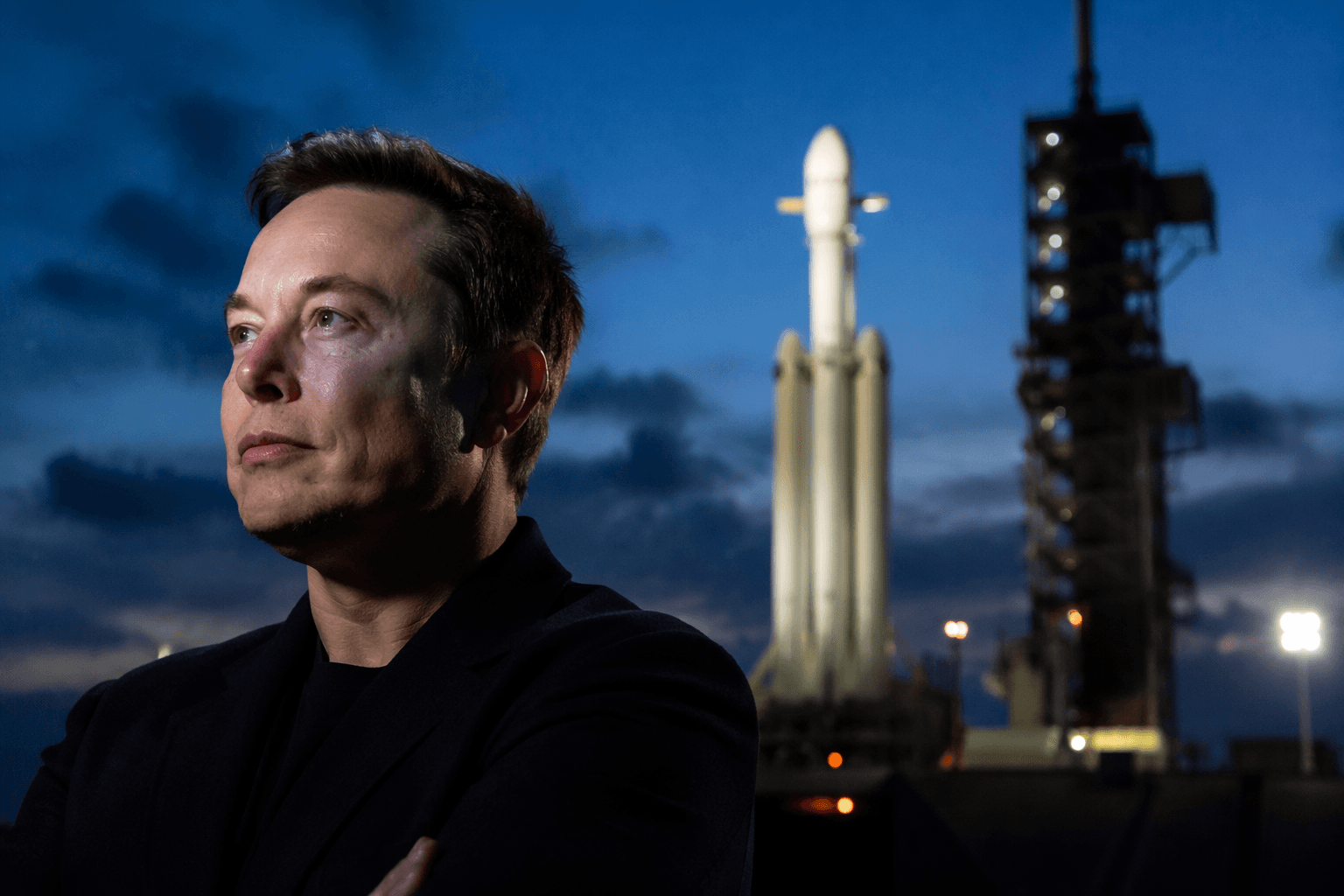
The scale alone would put the transaction in historic territory. Saudi Aramco’s $25.6 billion IPO in 2019 remains the largest on record, while Alibaba Group’s 2014 debut raised about $21.7 billion. SpaceX’s proposed sale would dwarf both, making it not just a capital raise but a referendum on how public markets will value a company that is part commercial operator, part strategic asset and part narrative premium attached to Elon Musk.
That tension sits at the center of the pitch. Recent reporting around SpaceX’s confidential materials has pointed to Starlink as the company’s main financial engine, giving the business a more immediate revenue story than a pure moonshot play. At the same time, Starship remains critical to the longer-term case because lower launch costs could open the door to Mars plans, more frequent missions and a broader orbital economy. A May 22 test flight of an upgraded Starship helped support that narrative, but full reusability is still a work in progress.
The structure of the deal reinforces the message that SpaceX wants the public market to fund its own growth. The IPO is expected to consist entirely of newly issued shares, meaning the proceeds would go to the company rather than to existing holders. For investors, that leaves a sharper question than the headline valuation: whether SpaceX should be priced like a high-growth commercial space company, a quasi-sovereign piece of strategic infrastructure, or an Elon Musk ecosystem asset whose future value rests on technologies that are still being built.
This article was produced by Prism’s automated news system from verified source data, official records, and press releases, then run through automated quality and moderation checks before publishing. The system is built and supervised by the people who set the standards it runs under. Read our full AI policy.
Know something we missed? Have a correction or additional information?
Submit a Tip