Spain, Ireland and others boycott Eurovision after Israel remains eligible
Spain, Ireland, the Netherlands, Slovenia and Iceland pulled out after Israel stayed in Eurovision 2026, forcing the contest’s neutrality claim into crisis.
Eurovision’s promise of apolitical spectacle cracked again when Spain, Ireland, the Netherlands and Slovenia withdrew after the European Broadcasting Union kept Israel eligible for 2026. Iceland then joined the boycott, and Spain’s RTVE said it would not even carry the semi-finals or final, turning the dispute from a backstage argument into a public break with one of Europe’s most watched cultural institutions.
Ireland’s RTÉ said participation would be unconscionable while the war in Gaza continued to take lives. Kevin Bakhurst pointed to the loss of life there, the targeted killing of journalists, the refusal of access to international reporters and the plight of the remaining hostages. The broadcaster’s position placed public service media at the center of a wider moral question: how far can a televised contest separate itself from a conflict that is already reshaping public opinion, newsroom ethics and audience loyalty across Europe?
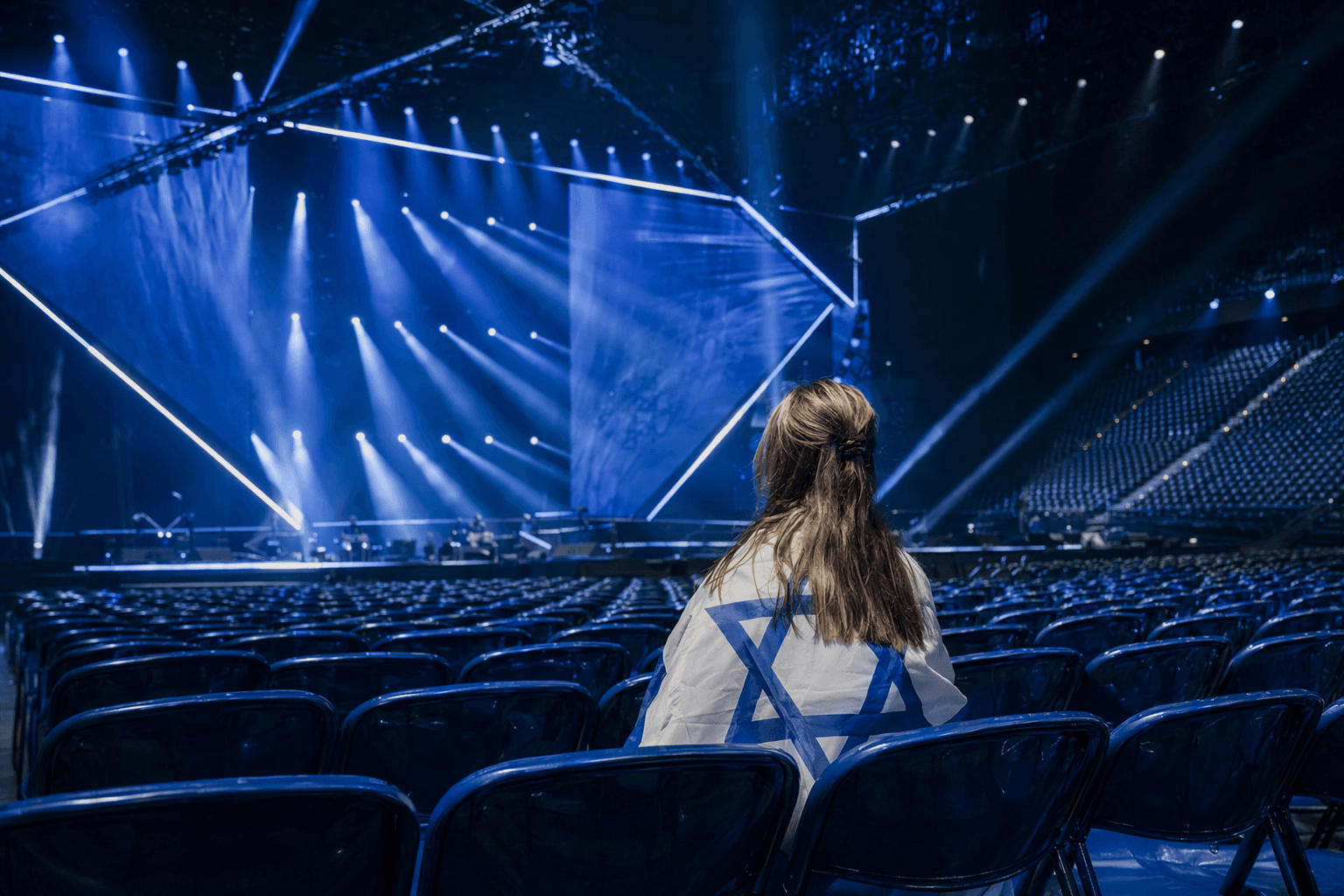
The EBU tried to steady the contest with new voting rules announced on 21 November 2025. Those changes tightened promotion limits, cut the voting cap in half, restored professional juries to the semi-finals and added safeguards against coordinated or fraudulent voting. Eurovision director Martin Green said the contest should remain a neutral space and must not be instrumentalized. But neutrality now looks less like a settled rule than a claim under pressure, especially after the EBU first postponed an extraordinary vote on Israel’s inclusion and later confirmed that Israel would remain eligible.
The tension did not begin this year. Spain became the first Big Five broadcaster to threaten withdrawal in September 2025, and Ireland followed soon after, showing how national broadcasters were no longer willing to absorb the political cost alone. The fracture has exposed a basic fault line in Eurovision’s structure: the EBU governs the rules, broadcasters carry the risk, and fans are left to decide whether loyalty to the contest can survive repeated tests of conscience.
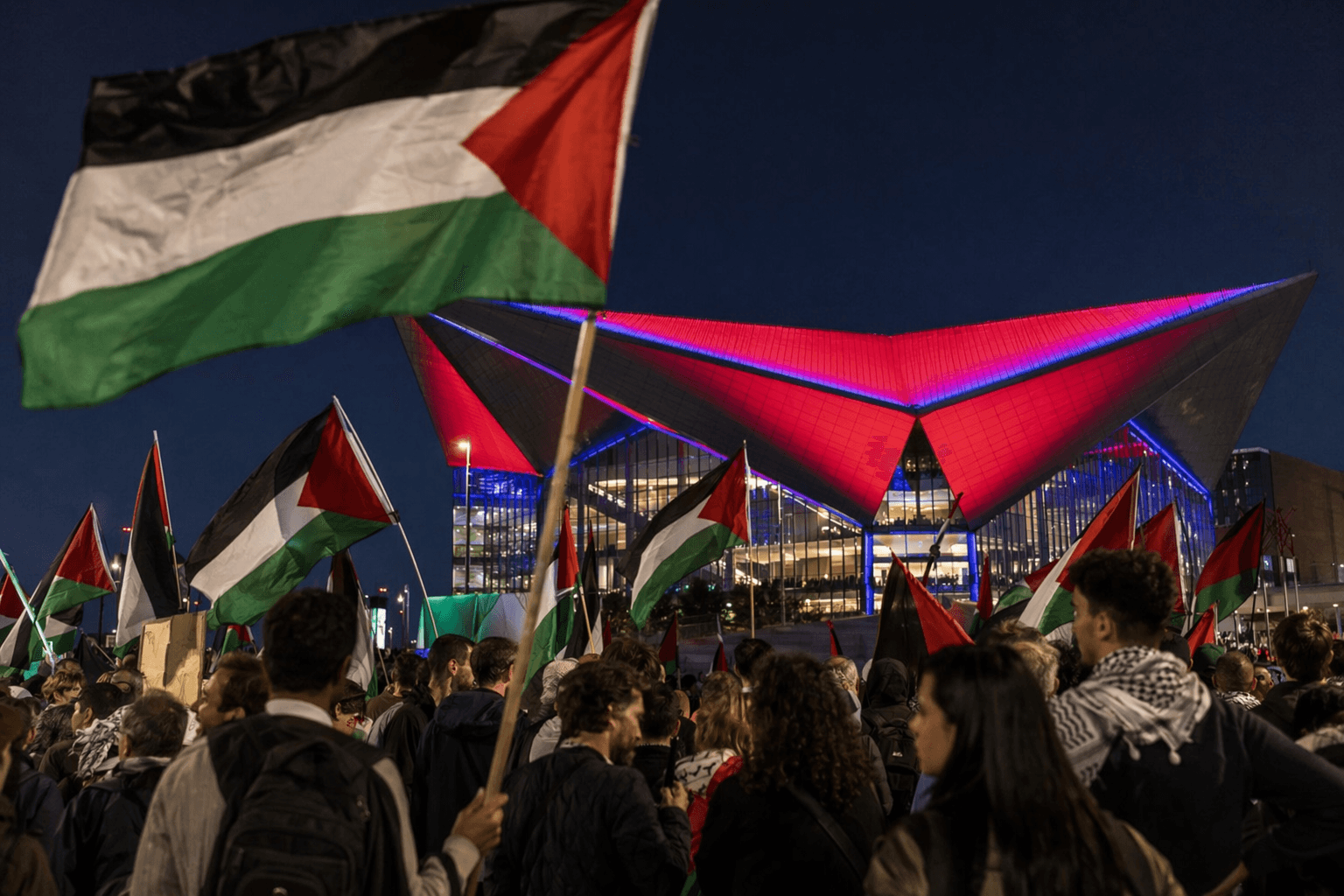
That question matters because Eurovision remains culturally powerful even in controversy. The 2025 contest in Basel drew 166 million viewers across 37 markets, with a 47.7 percent share for the Grand Final, the highest since 2004. Among 15- to 24-year-olds, it reached 60.4 percent, a record, and the event generated nearly 2 billion digital views. Yet Basel also showed the cost of that reach, with protests against Israel’s participation, clashes with police and about 1,300 officers deployed in Switzerland as Yuval Raphael performed. Eurovision still commands a mass audience, but each new boycott makes its claim to innocence harder to believe.
Know something we missed? Have a correction or additional information?
Submit a Tip