Spain NGOs race to help migrants file regularization papers before deadline
NGOs raced to file missing papers before Spain’s June 30 regularisation deadline, as about 1 million applicants sought one-year permits.

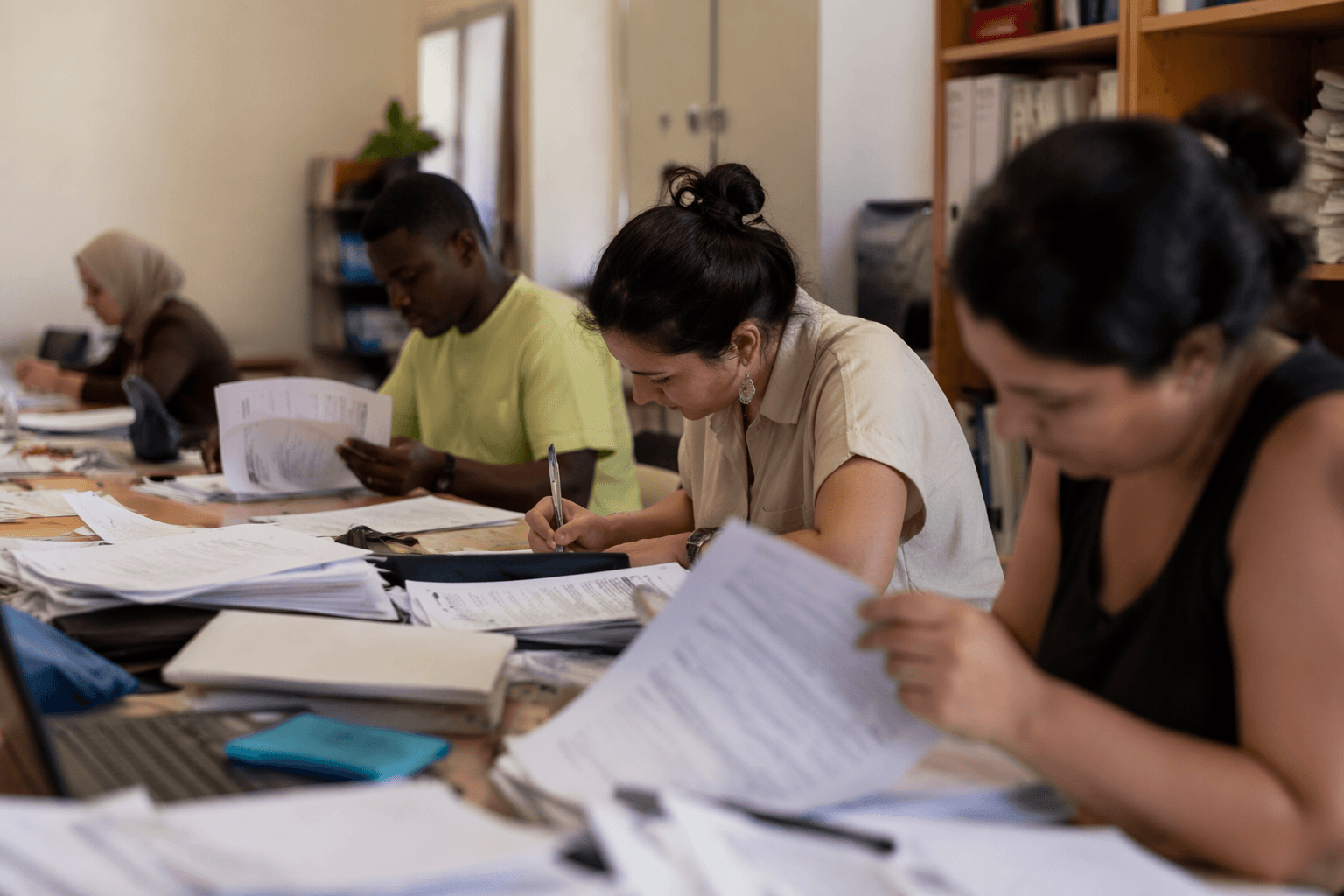
Spanish charities spent the final hours before the June 30 deadline calling undocumented migrants who still lacked paperwork, trying to keep their regularisation files alive under a program that can deliver a one-year residence permit and work authorization. The extraordinary scheme, approved under Royal Decree 316/2026 and in force since April 16, drew about 1 million applicants in a matter of weeks, far more than the government’s initial estimate of 500,000.
Applicants generally had to be in Spain before January 1, 2026 and show at least five months of continuous residence. CEAR and Cepaim told migrants to submit applications even when some documents from home countries were still missing, including papers from Mali, Iran and Venezuela. Elena Muñoz coordinates CEAR’s legal team. The group was doing a final review of people who had already visited its offices and were short of documents at the start of the process.
By June 20, more than 910,000 electronic files had been opened, and about 71% were complete enough to move into substantive review. The Ministry of Inclusion maintains a dedicated portal and requirements simulator for the process, while NGOs and some parliamentary groups have pushed for an extension because of delays and bureaucracy.
Spain has roughly 840,000 people working off the books, and the normal route to legal status can take more than a year. For workers, the permit can shift them from informal jobs into contracts and social security records. For employers, it can turn a hidden labor pool into a legal workforce that can be hired openly. Cepaim counts this as Spain’s seventh extraordinary regularisation since the 1980s.
This article was produced by Prism’s automated news system from verified source data, official records, and press releases, then run through automated quality and moderation checks before publishing. The system is built and supervised by the people who set the standards it runs under. Read our full AI policy.
Did this article answer your question?


