Spain Receives Quarantined Cruise Ship After Deadly Hantavirus Outbreak
Spain took in a quarantined cruise ship after a hantavirus cluster killed three, as officials raced to screen 23 nationalities and send them home.
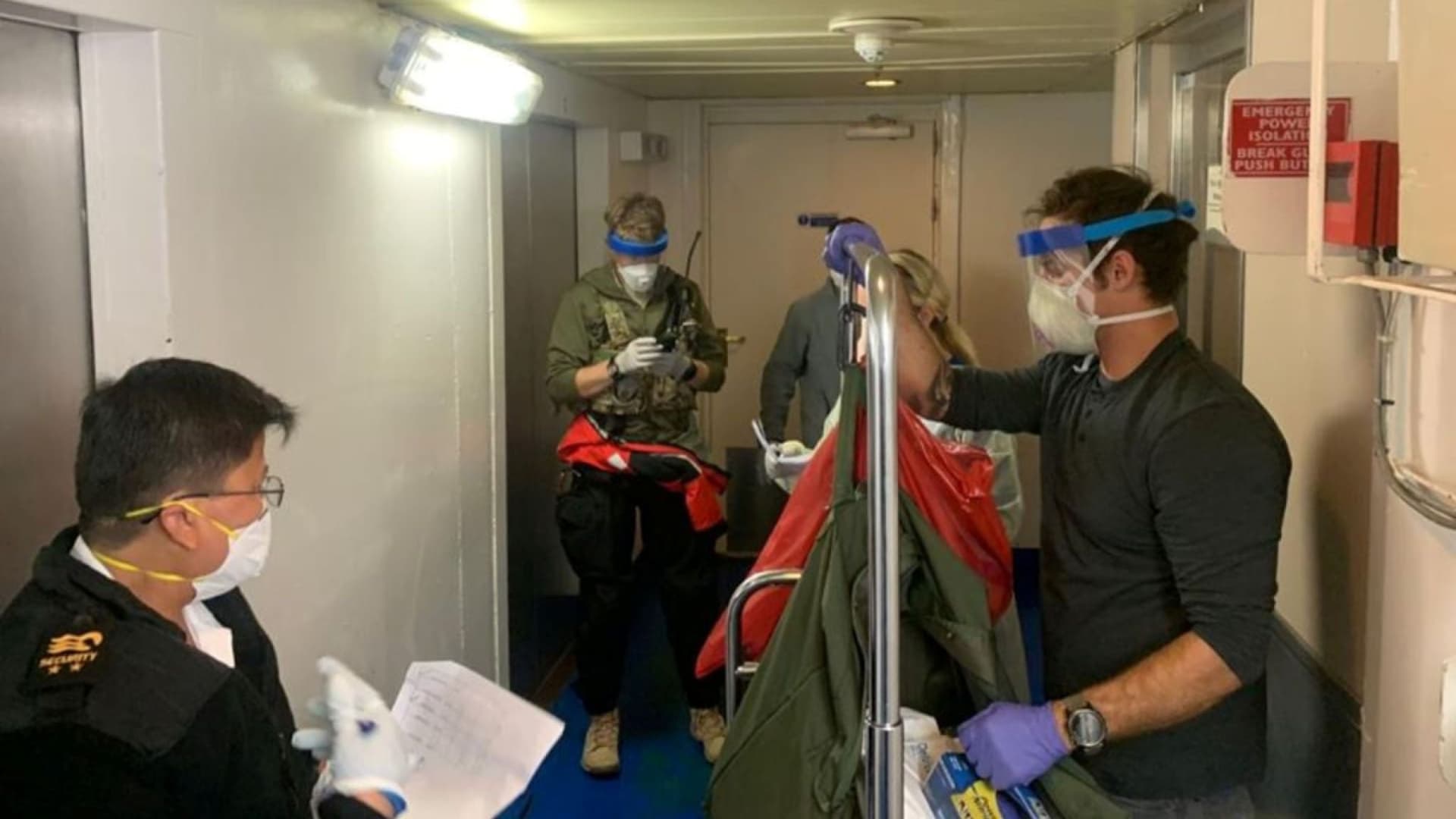
Spain turned Tenerife into a quarantine stop for the Dutch-flagged MV Hondius as health officials tried to contain a deadly Andes hantavirus cluster aboard a ship carrying passengers and crew from 23 countries. The strain matters because Andes hantavirus is the only hantavirus known to spread person-to-person, usually through close, prolonged contact, so authorities treated everyone on board as a high-risk contact before they were allowed to leave.
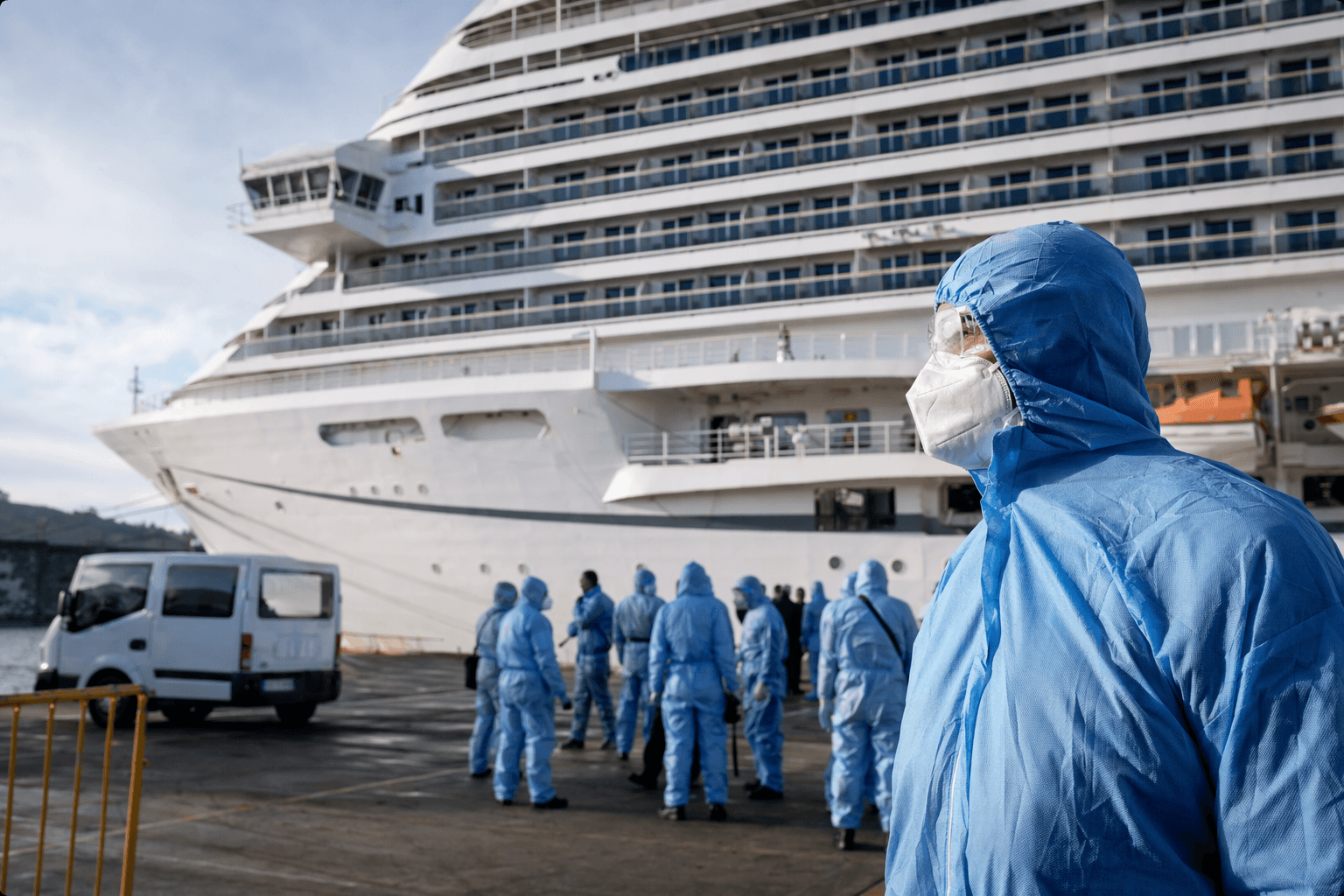
Small groups of passengers and crew began disembarking after the ship anchored off the Canary Islands, and officials said repatriation flights were expected through Monday. Medical teams were to examine all passengers and crew before transfer to their home countries, a step meant to reduce the chance that an infection seeded on the ship would spread quietly across borders once travelers scattered internationally.
The Spanish Health Ministry said Madrid agreed to receive the vessel in Tenerife’s Port of Granadilla despite earlier local resistance, saying the Canary Islands were the closest place with the necessary capabilities and that the move was being carried out in accordance with international law and humanitarian principles. Spanish nationals were first to leave the ship on Sunday, and the operator, Oceanwide Expeditions, had listed 13 Spanish passengers and one Spanish crew member on board.
The outbreak was first reported to the World Health Organization on May 2 after a cluster of severe respiratory illness was detected aboard the cruise ship. By May 10, health agencies had identified eight cases linked to the vessel, including six confirmed and two probable cases, with three deaths. The WHO said illness onset among cases fell between April 6 and April 28, and symptoms included fever, gastrointestinal illness, pneumonia, acute respiratory distress syndrome and shock.
The ship had departed Argentina on April 1, sailed through the South Atlantic toward Cabo Verde, and saw 30 passengers disembark in St. Helena on April 24. That trail is now the heart of the public-health challenge: once passengers and crew move into 23 different national systems, tracing who was exposed and who needs monitoring becomes a multinational task. The European Centre for Disease Prevention and Control said the risk to the EU and EEA general population remained very low, while the World Health Organization said it was preparing step-by-step operational guidance for safe and respectful disembarkation and onward travel. In Tenerife, WHO Director-General Dr. Tedros Adhanom Ghebreyesus sought to calm fears, saying the public-health risk remained low and that this was not another COVID crisis.
This article was produced by Prism’s automated news system from verified source data, official records, and press releases, then run through automated quality and moderation checks before publishing. The system is built and supervised by the people who set the standards it runs under. Read our full AI policy.
Did this article answer your question?