Study Finds Paper Calendar Users May Recall Plans Better Than Digital Planners
Paper calendars did not look old-fashioned in a 2021 brain study: users finished tasks faster and showed stronger memory activity than digital planners.
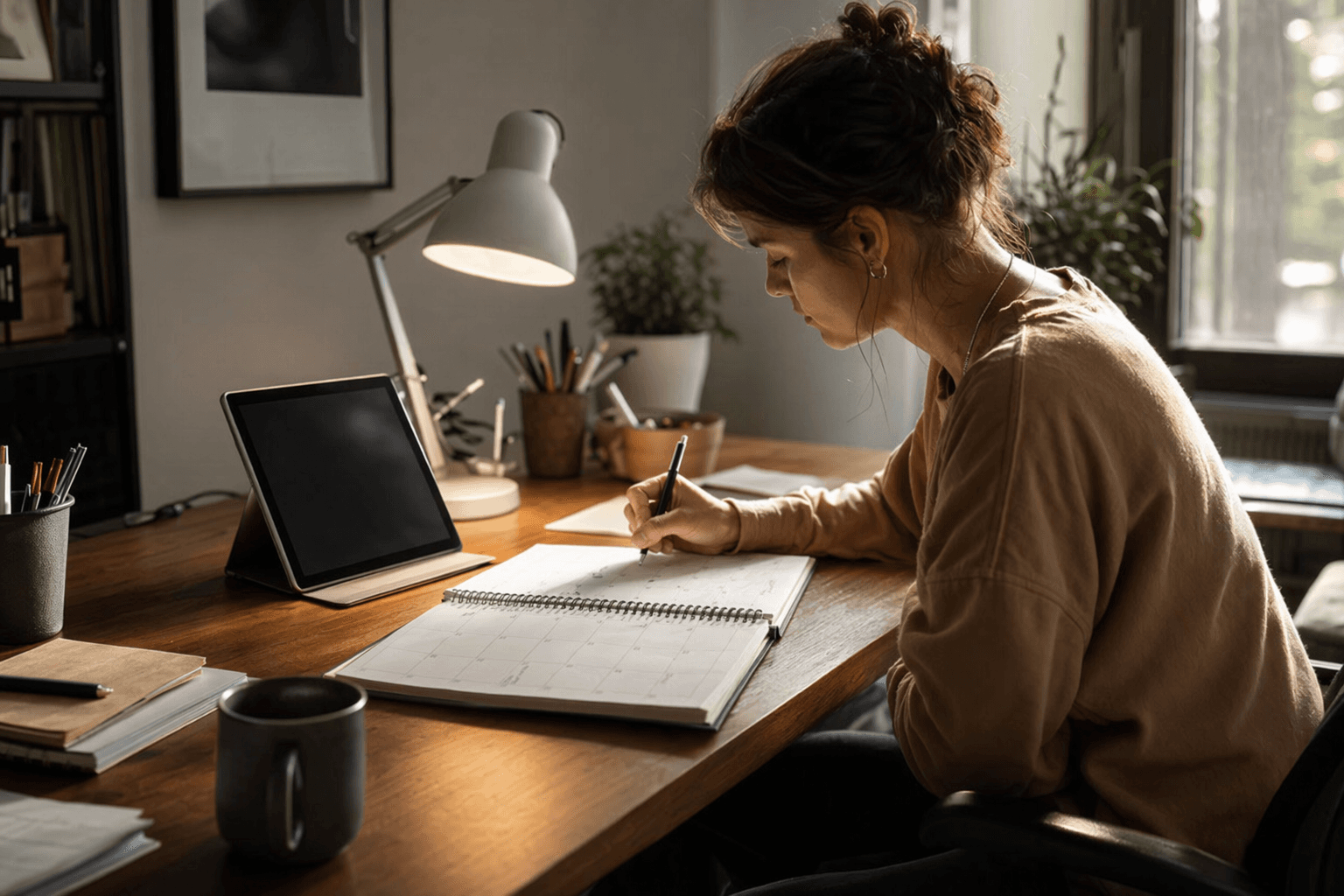
Paper calendars may still earn their place on desks and kitchen counters for a reason that has little to do with nostalgia. In a 2021 study from the University of Tokyo and NTT Data Institute of Management Consulting, 48 volunteers ages 18 to 29 who entered fictional schedules into a paper datebook, tablet or smartphone completed the task about 25 percent faster when they used paper.
The same experiment pointed to a different kind of advantage during recall. When the volunteers later tried to remember the schedules, the paper group showed stronger activation in memory-related regions, including the bilateral hippocampus, the precuneus, the visual cortices and language-related frontal regions. The researchers, including Kuniyoshi L. Sakai, Keita Umejima, Takuya Ibaraki and Takahiro Yamazaki, argued that paper may give users richer spatial, tactile and visual cues that work as retrieval clues in a way uniform screens do not.
That finding fits an older line of research that predated smartphones entirely. In 1993, S. J. Payne interviewed 20 IBM staff members and concluded that paper calendars supported prospective remembering by encouraging people to browse existing appointments. Electronic calendar designs at the time, Payne found, compromised that habit. The setting mattered: the interviews took place among workers in a highly computerized environment, showing that paper was not just a tool for people resisting technology.
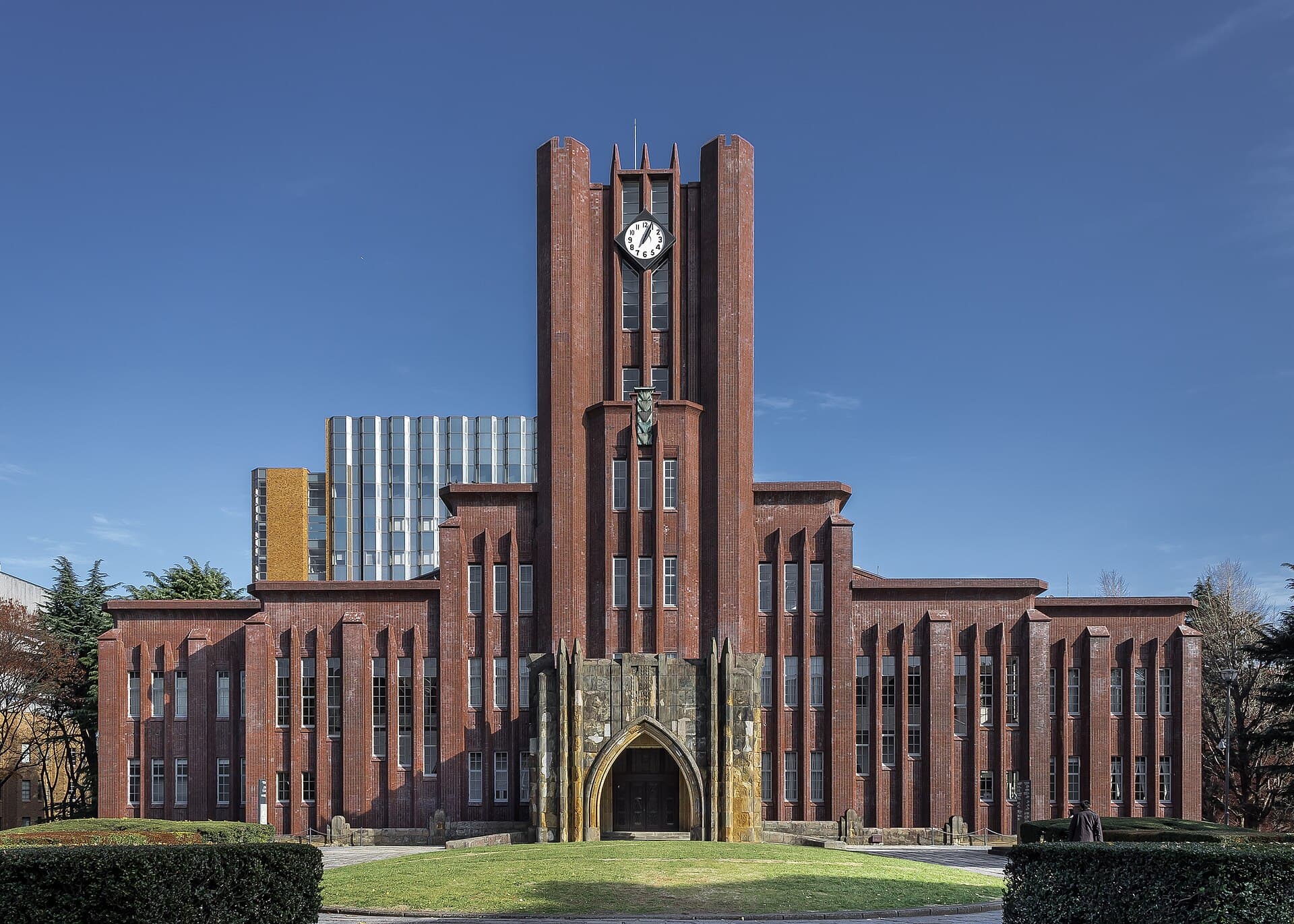
The modern numbers suggest the divide has not disappeared, even as digital tools dominate. Baylor University Hankamer School of Business researchers, including Yanliu Huang, Zhen Yang and Vicki G. Morwitz, reported in 2023 that 70 percent of surveyed respondents relied primarily on a mobile or desktop calendar, while 28 percent relied on a paper calendar. Their work found that paper-calendar users were more likely to fulfill activities and complete them on time than mobile-calendar users.
That does not prove paper is universally superior. It does suggest something more limited and more useful: for some people, the friction of writing by hand, seeing appointments laid out on a page and revisiting them visually may strengthen attention and memory in ways a digital grid does not always match. The broader lesson is not to declare a winner, but to recognize that planning tools shape how people remember, prioritize and follow through.
This article was produced by Prism’s automated news system from verified source data, official records, and press releases, then run through automated quality and moderation checks before publishing. The system is built and supervised by the people who set the standards it runs under. Read our full AI policy.
Did this article answer your question?