Spanberger Signs Bills Targeting $7.1 Billion in Virginia Business Investment
Behind Virginia's $7.1 billion investment headline: four specific companies, $1.07 billion in contingent state grants, and a defense aerospace factory in the town of Hurt.
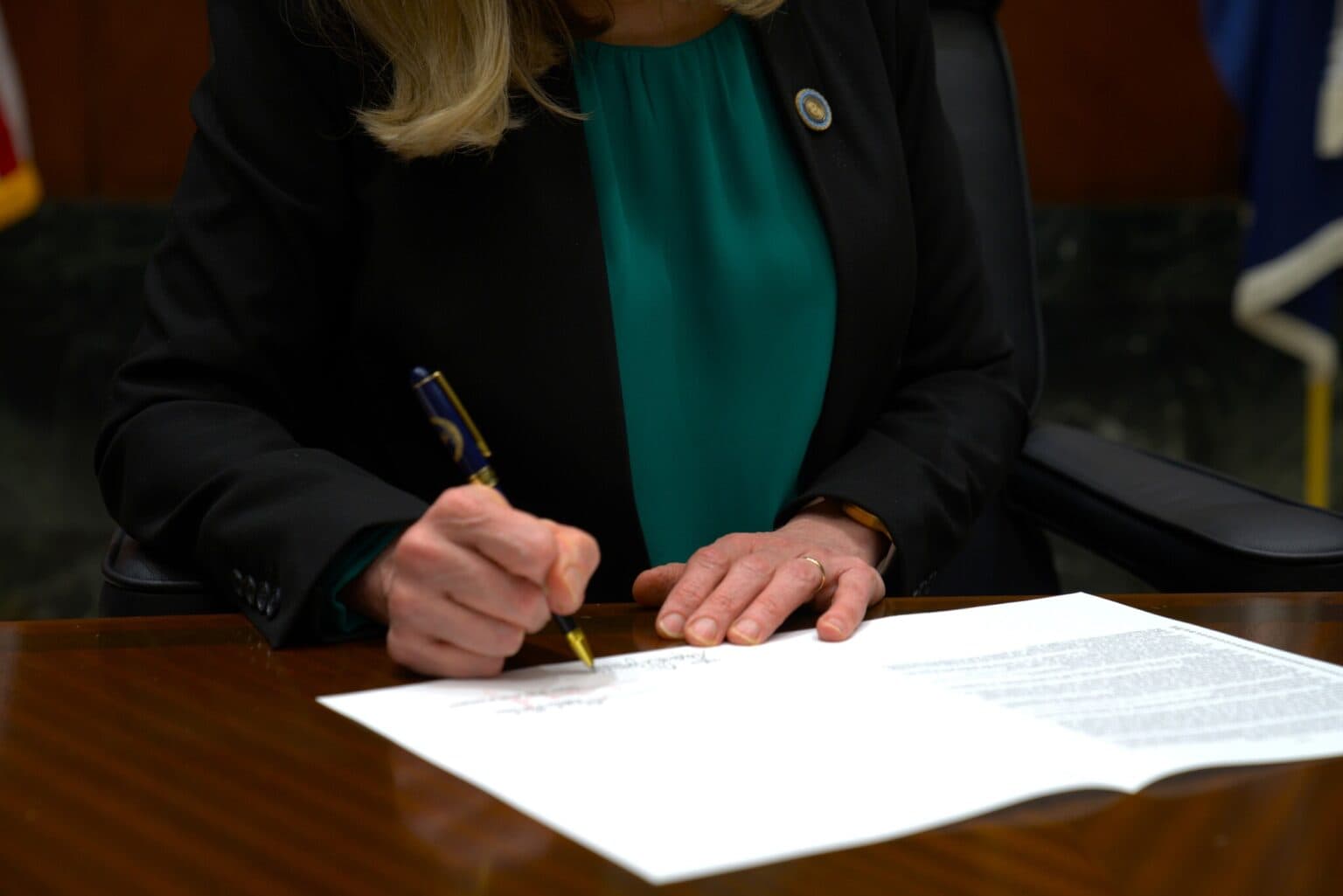
Gov. Abigail Spanberger signed a package of bipartisan economic development bills Monday in Richmond that authorize incentives for four named companies committing to build aerospace, energy, and pharmaceutical manufacturing facilities across four Virginia counties, collectively producing the administration's $7.1 billion investment figure and 3,250 projected jobs.
The largest single project belongs to Avio USA Inc. The global aerospace company will establish an 860,000-square-foot manufacturing facility in the Southern Virginia Multimodal Park in the town of Hurt, Pittsylvania County. The facility will produce solid rocket motors for defense, tactical propulsion, missile systems, and the commercial space sectors. The project will be the second-largest economic development deal in Southern Virginia history, bringing more than 1,500 jobs. For this project, the legislation sets a state incentive package valued at up to $29.4 million, with annual payments capped at $4.6 million between July 1, 2026, and July 1, 2035. The bills, HB1531 and SB835, were sponsored by Delegate Luke Torian and Senator L. Louise Lucas.
Three additional projects round out the package: Hitachi Energy will invest more than $457 million and create more than 825 jobs in Halifax County to produce critical electrical grid infrastructure. Eli Lilly and Company's planned $2 billion investment in Goochland County will manufacture active pharmaceutical ingredients used in treatments for cancer, autoimmune conditions, and other advanced therapies, with more than 450 jobs anticipated. The bill establishes an incentive package totaling $300 million, with Virginia authorized to award grant payments of up to $15 million per year over a 20-year period. A separate bill authorizes AstraZeneca's $4 billion investment in Albemarle County, where the company plans to produce medications for chronic diseases as well as antibody-drug conjugates. Under that measure, the state incentive can reach up to $34 million annually, with payments scheduled between 2026 and 2045.
Taken together, the incentive packages tied to these projects total more than $1.07 billion in potential state support. None of that money is delivered upfront. The grants for all projects are structured to be paid out over multiple years, in some cases spanning decades, with annual installments capped and contingent on companies meeting specific performance benchmarks, including agreed-upon investment levels and job creation targets. The state's actual liability grows only as private firms deliver, which means the $7.1 billion in private investment and $1.07 billion in state commitments both remain conditional.
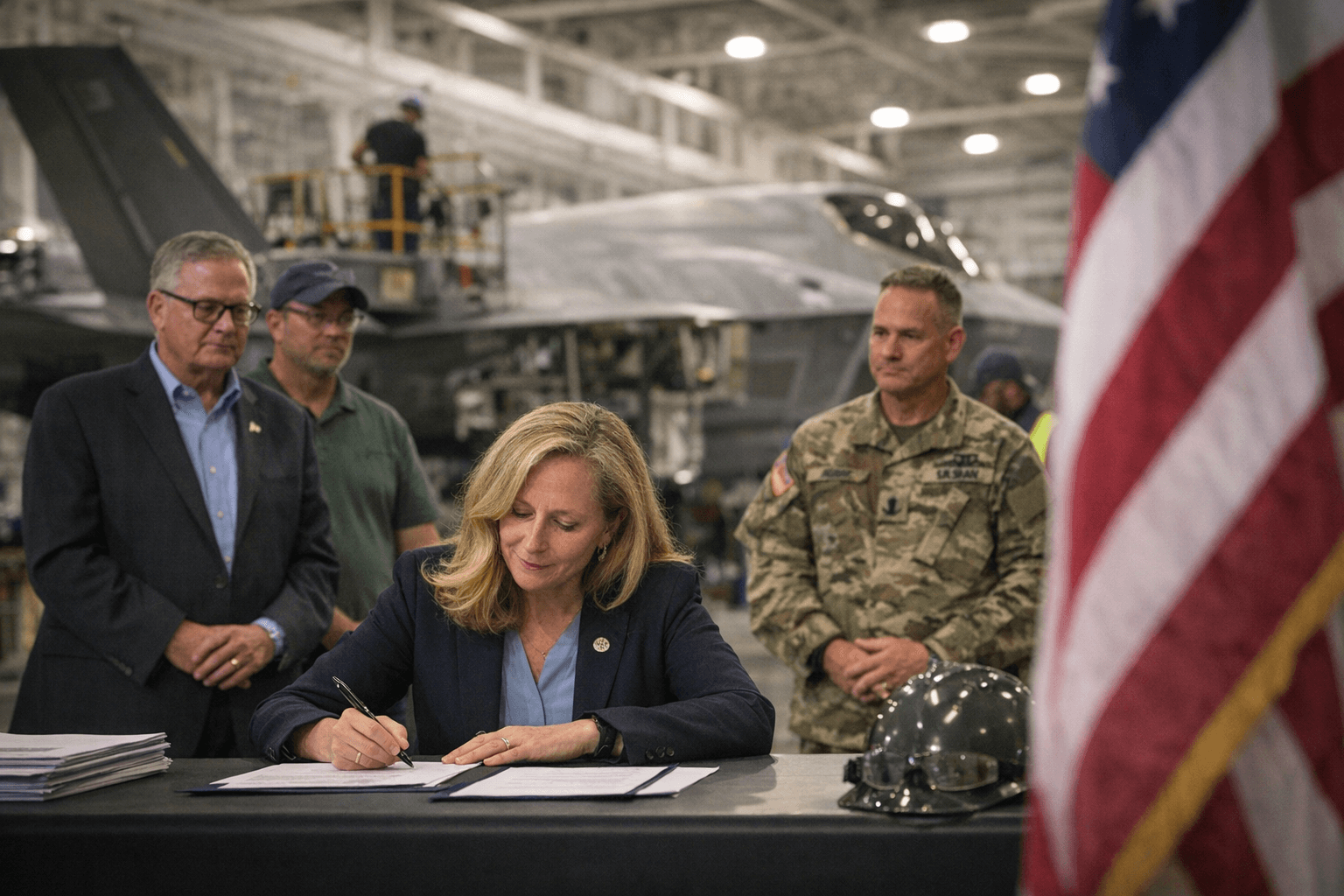
Most of these measures were negotiated during former Gov. Glenn Youngkin's tenure; lawmakers approved them with bipartisan support during the General Assembly session, pairing House and Senate bills to authorize incentives and support for specific projects. Spanberger, who took office in January, signed them into law Monday.
"From my very first day in office, I have been working to create a stable business environment so companies can hire, expand, and continue to invest in our Commonwealth," Spanberger said. "I am signing these bills into law so we can continue to grow Virginia's economy and create opportunities for Virginians."
Administration officials have emphasized that the investments are part of a broader strategy to attract high-growth industries and expand manufacturing capacity in Virginia, particularly in regions seeking to diversify their economies. Pittsylvania and Halifax counties, both in Southside Virginia, have long grappled with economic decline following the contraction of tobacco and textile industries. Whether the aerospace, pharmaceutical, and grid-infrastructure sectors can replace that lost economic mass depends on companies breaking ground, hiring at projected rates, and sustaining operations long enough to trigger the full incentive schedules that stretch in some cases to 2045.
This article was produced by Prism’s automated news system from verified source data, official records, and press releases, then run through automated quality and moderation checks before publishing. The system is built and supervised by the people who set the standards it runs under. Read our full AI policy.
Did this article answer your question?

