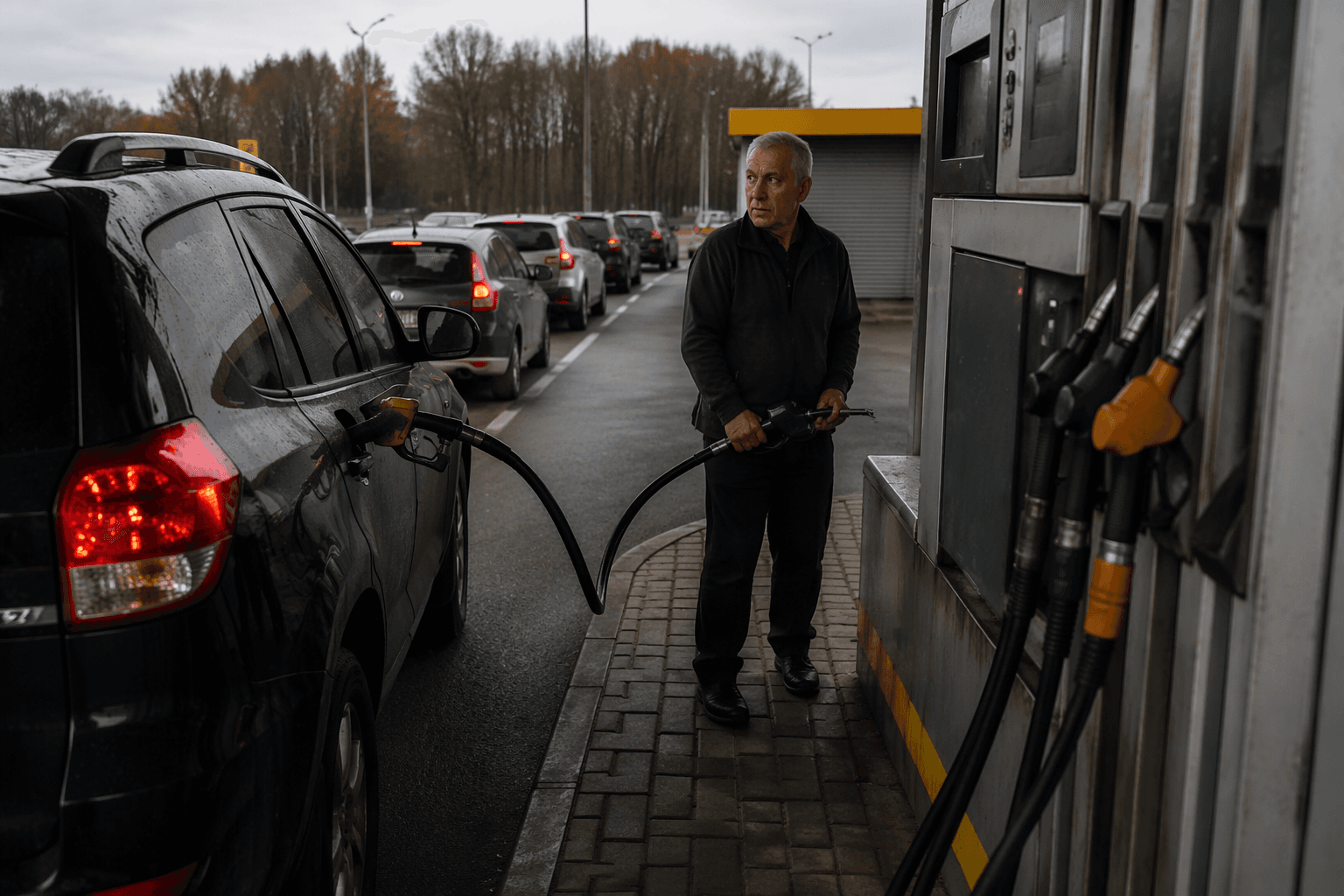
Spanish Woman Noelia Castillo Ramos, 25, Set to Receive Euthanasia Thursday
Noelia Castillo Ramos, 25, died Thursday by euthanasia in Spain after a 601-day legal battle her father waged to keep her alive against her will.
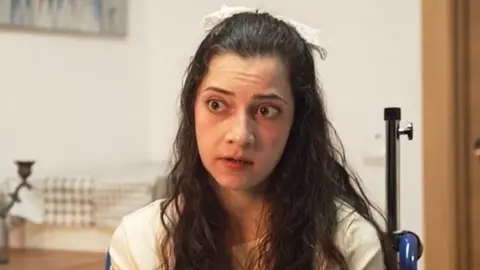
I'm having euthanasia on the 26th," Noelia Castillo Ramos told Antena 3 in her final television interview. "No one in my family is in favor, but a parent's happiness shouldn't come before a daughter's life. I simply want to go in peace and stop suffering."
Noelia Castillo Ramos, 25, died Thursday after voluntarily undergoing a euthanasia procedure. A Barcelona judge had denied a last-minute request for emergency injunctive measures earlier in the day, clearing the path for the 25-year-old paraplegic who had endured a 601-day delay from the original date, caused entirely by her father's legal challenges. She was scheduled to receive assisted death at 6 p.m. local time at the Sant Camil hospital facility in Sant Pere de Ribes.
Castillo entered foster care at 13 and attempted suicide by jumping off a balcony in 2022 after being sexually assaulted. She has been in a wheelchair ever since, paralyzed from the waist down. She applied for euthanasia in 2024, stating she could no longer endure the pain, both physical and psychological. In interviews, she described her daily reality in plain terms: "I don't have the strength to endure this pain and all that torments me after everything I've been through."
If everything had gone according to plan, Noelia would have received euthanasia on August 2, 2024. That was the date originally scheduled after she received unanimous approval from the public agency responsible for ensuring assisted dying is carried out correctly in Catalonia. But a Barcelona court accepted a petition from her father, Gerónimo Castillo, to temporarily halt the procedure. Advised by the ultra-Catholic group Abogados Cristianos, he entangled his daughter in a legal maze that kept her alive, against her will, for 601 days.
The final legal obstacle fell earlier this month when the European Court of Human Rights rejected the father's attempts to stop the euthanasia after he had exhausted all legal avenues in Spain, though the judges indicated they will still analyze his arguments at a later date. On Thursday morning, a Barcelona judge denied a last-minute emergency injunction, also requested by Abogados Cristianos, the law firm representing the father.
The case had traversed every level of Spain's judiciary. It moved through several levels of Spain's judicial system and eventually reached European courts, with each ruling upholding Noelia's right to make her own decision. The legal fight lasted nearly two years, turning a deeply personal choice into a national and international issue. Courts consistently found that Noelia had, as one ruling put it, the full capacity to decide whether to end her life.
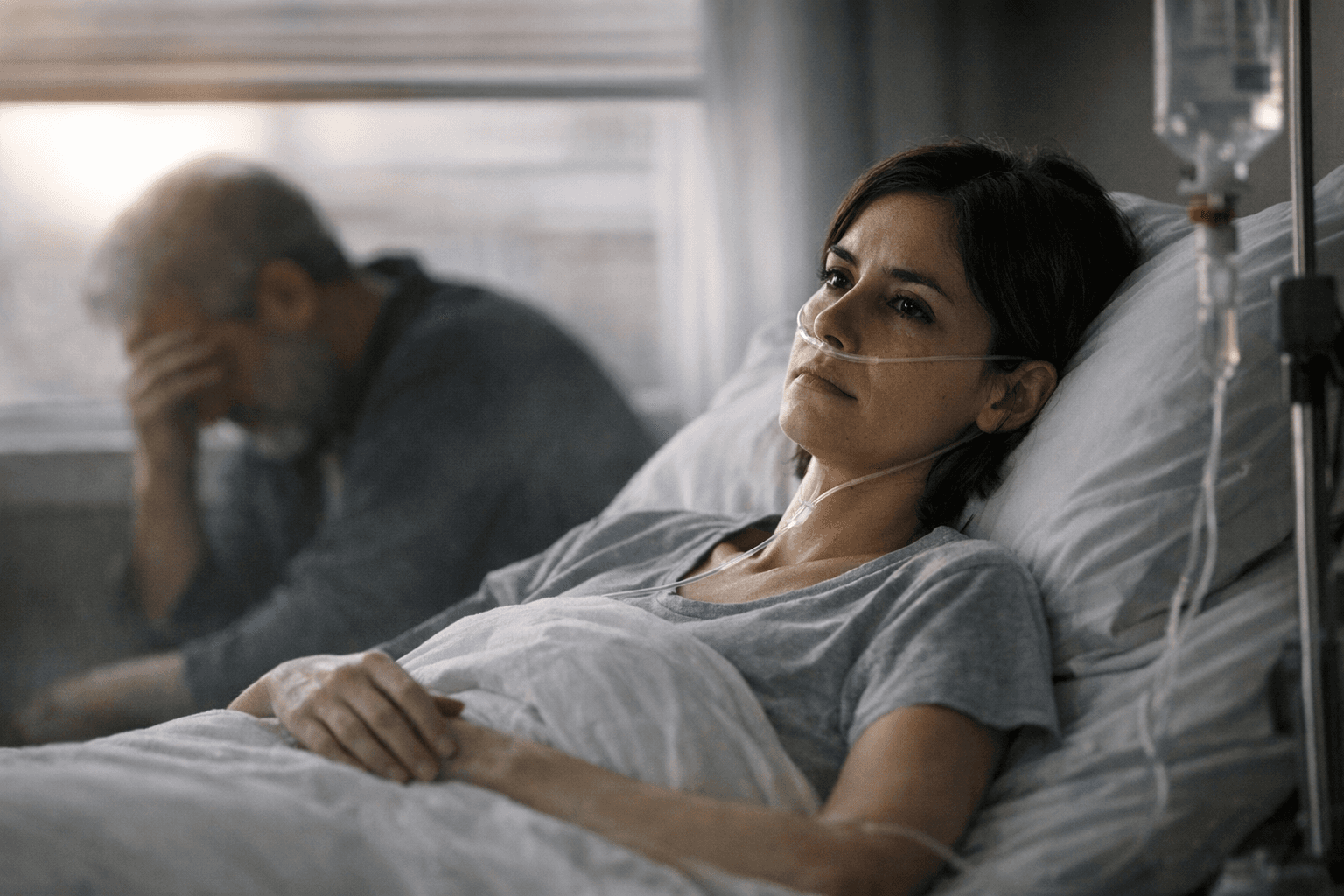
In Noelia's case, both medical reports and judicial resolutions agreed she met the conditions required by law. She presented a chronic, irreversible, and highly incapacitating condition which she described as incompatible with a dignified life, and courts ruled out any impairment in her decision-making capacity.
Her mother, Yolanda Ramos, was present at the Antena 3 interview. "I'm not happy about it, but I'll always be by her side," she said. Her father's lawyer struck a different tone after the procedure. In a public statement, Christian Lawyers wrote: "We deeply regret her death and denounce that this case highlights the serious flaws in the euthanasia law, which does not protect the most vulnerable people. We urge politicians to use her story to drive urgent changes."
Archbishop Luis Argüello of Valladolid, president of the Spanish Episcopal Conference, said that offering euthanasia in a case like Castillo's shows that "everything is permitted."
Ramos' case is understood to be among the first in Spain in which euthanasia was approved on the basis of combined physical and psychological suffering. Her case prompted the Spanish Congress to revisit the debate over euthanasia law. Spain legalized euthanasia in March 2021, and the Castillo case has become its most legally contested since. Her case exposed the flaws and weaknesses of the euthanasia law, sparked debate over who has the right to try to prevent an adult from dying with dignity, and prolonged the suffering of a young woman who never wavered in her decision.
This article was produced by Prism’s automated news system from verified source data, official records, and press releases, then run through automated quality and moderation checks before publishing. The system is built and supervised by the people who set the standards it runs under. Read our full AI policy.
Did this article answer your question?