Sparklers Likely Ignited Crans-Montana Bar Fire Killing About 40
Swiss prosecutors say lit sparklers attached to champagne bottles likely ignited a fast-moving New Year’s Eve blaze at the Le Constellation bar in Crans-Montana, resulting in about 40 deaths and 119 injuries. The finding raises urgent questions about venue safety, indoor pyrotechnic rules and the economic fallout for the Valais ski resort and its tourism-dependent businesses.
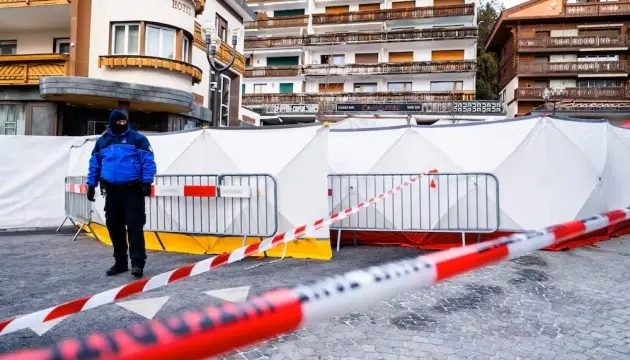
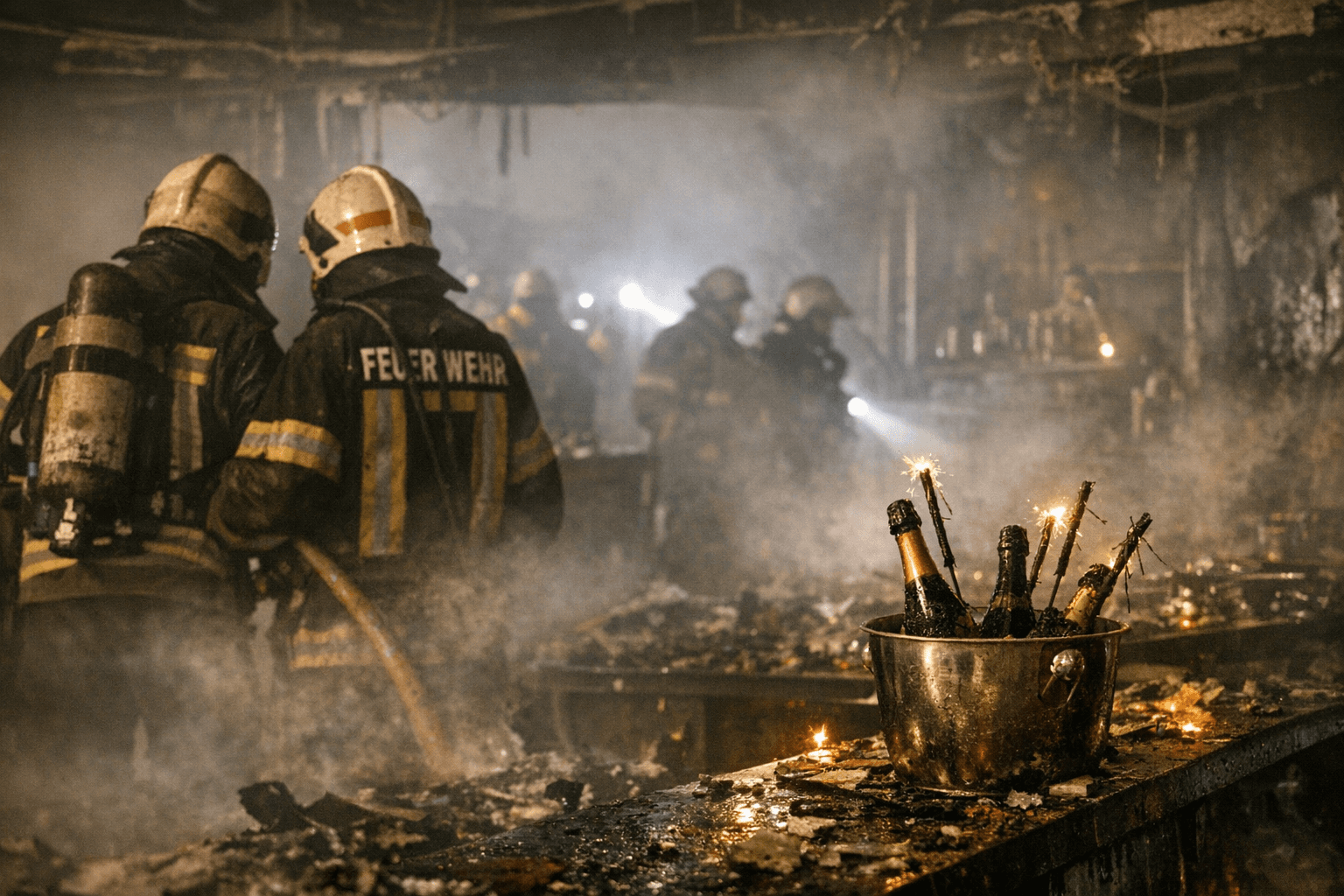
Swiss investigators said early January that evidence points to lit sparklers attached to champagne bottles as the likely trigger of a devastating New Year’s Eve fire at the packed Le Constellation bar in the Crans-Montana ski resort. Prosecutor Beatrice Pilloud told reporters that “everything suggests that the fire started from the burning candles or ‘Bengal lights’ that had been attached to champagne bottles.” Authorities reported roughly 40 fatalities and 119 injured in the blaze, and the nation entered several days of official mourning.
Video and photographs circulated by investigators and media outlets show sparklers affixed to bottles earlier in the evening and flames racing across the ceiling moments after the fire began. Survivors and on-scene footage captured chaotic evacuations and frantic attempts by staff and bystanders to extinguish flames and help those trapped inside. Burns and the destruction of wallets and identity documents have complicated identification efforts; families have been asked to provide DNA samples as forensic teams work to confirm victims.
Investigators are pursuing multiple lines of inquiry while treating the sparklers as the likely immediate cause. Forensic teams are testing the ceiling lining, described by witnesses as sound-proofing or foam, to determine whether the material met Swiss fire-resistance standards and whether its composition contributed to rapid flame spread. Authorities are also examining whether the sparkler devices used were permitted for indoor use and reviewing the venue’s safety measures, including availability and condition of fire extinguishers, clarity of escape routes and staff emergency training.
The attorney general for the Valais region warned that criminal prosecutions could follow if investigators establish liability, but officials have not yet announced specific charges. Federal and cantonal investigators are coordinating evidence reviews and interviews; conclusions on regulatory compliance and potential prosecutions are expected only after material analyses and careful review of video evidence.
Beyond the immediate human toll, the incident has significant local economic implications. Crans-Montana depends heavily on winter tourism and nightlife revenue during the peak holiday season; a major safety crisis during New Year’s celebrations threatens short-term bookings and could depress arrivals for the remainder of the winter season. Local hotels, restaurants and lift operators can expect increased cancellations and insurance claims as victims and their families seek compensation and treatment. Insurers will face claims linked to property damage, business interruption and liability, and the total economic cost could run into the millions of Swiss francs depending on the scale of claims and any regulatory fines.
Longer term, regulators and venue operators are likely to face stricter enforcement and tighter rules on indoor pyrotechnics and the use of flammable acoustic materials. Safety upgrades, compliance inspections and potential legal settlements would impose recurring costs on nightlife venues and resorts across Switzerland, potentially accelerating a trend toward more stringent oversight of public entertainment spaces. As investigators complete forensic analyses and victim identifications, authorities say their findings will shape whether prosecutions proceed and what new rules will be adopted to prevent a similar tragedy.
This article was produced by Prism’s automated news system from verified source data, official records, and press releases, then run through automated quality and moderation checks before publishing. The system is built and supervised by the people who set the standards it runs under. Read our full AI policy.
Did this article answer your question?


