Spirit Airlines grounding eases, but only slightly, Pratt & Whitney engine shortage
Spirit’s collapse is sending a few near-new engines back into circulation, offering Pratt & Whitney customers a brief reprieve. The relief is real, but the shortage still grips Airbus fleets worldwide.
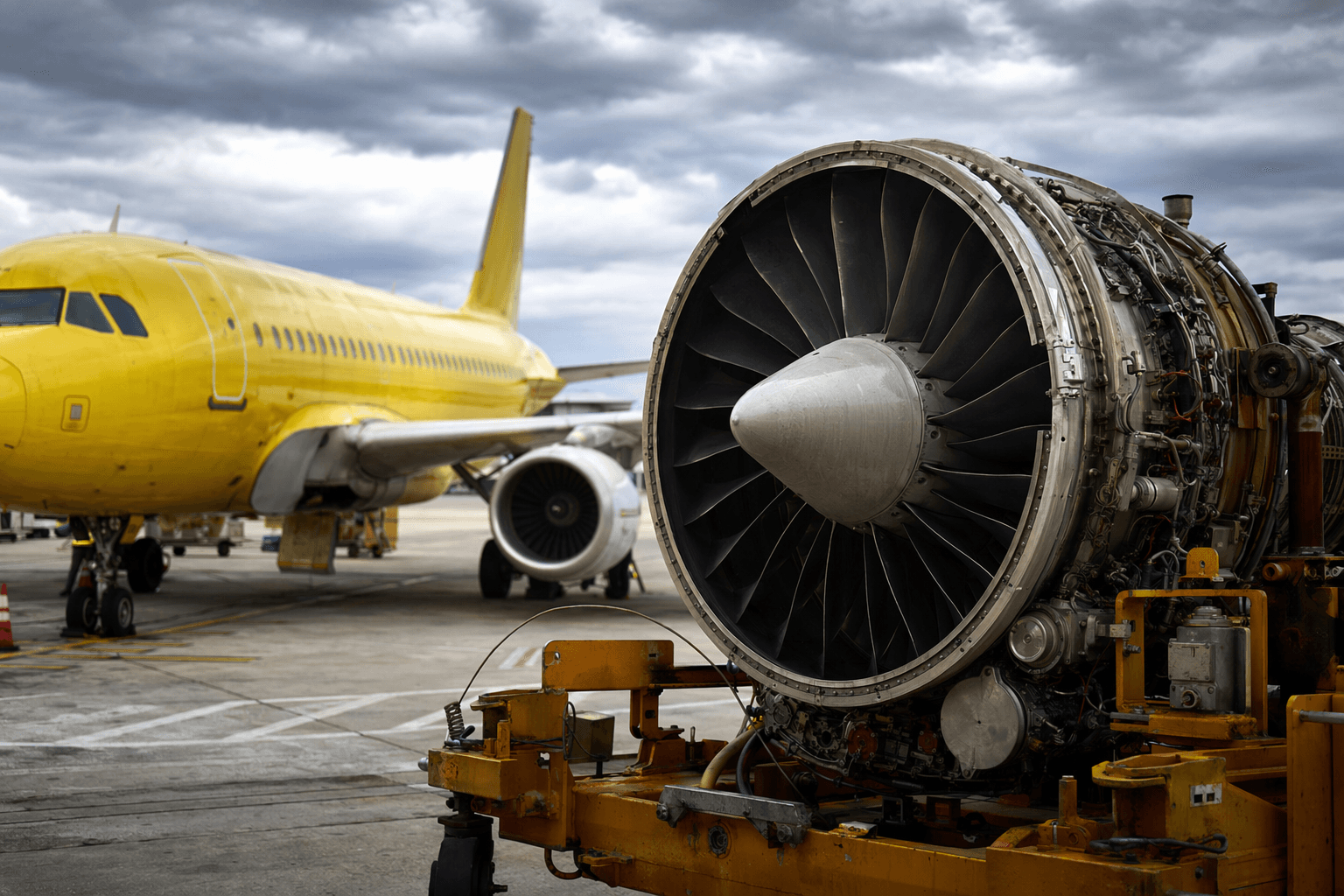
Spirit Airlines’ shutdown may create an unusual sliver of relief in one of aviation’s tightest bottlenecks: the shortage of Pratt & Whitney’s geared turbofan engines. As Spirit wound down operations and grounded its all-Airbus fleet on May 1, some of its engines began moving into the parts market, giving lessors and maintenance firms hardware they have struggled to find for months.
The mechanics are straightforward. When aircraft are parked or broken up, their engines can be removed, inspected and leased to other airlines whose jets are stranded for lack of powerplants or repairs. Industry executives said engines taken off Spirit aircraft have already been leased to other customers, a sign that even a failed carrier’s fleet can become a temporary pressure valve in a strained supply chain. Leasing rates for GTF engines have not fallen, but the extra supply has added limited short-term relief to an imbalance that has grounded hundreds of Airbus narrowbodies worldwide.
Spirit’s bankruptcy accelerated that effect. After rescue talks collapsed, the airline began an orderly wind-down of operations, and its lawyer, Marshall Huebner, said higher jet-fuel prices after U.S. strikes on Iran left Spirit with no alternative but to shut down. The carrier’s all-Airbus fleet, once a source of growth, is now feeding an accelerating teardown market for near-new A320neo-family aircraft, an unusual fate for jets that often stay in service for 20 to 25 years before retirement.
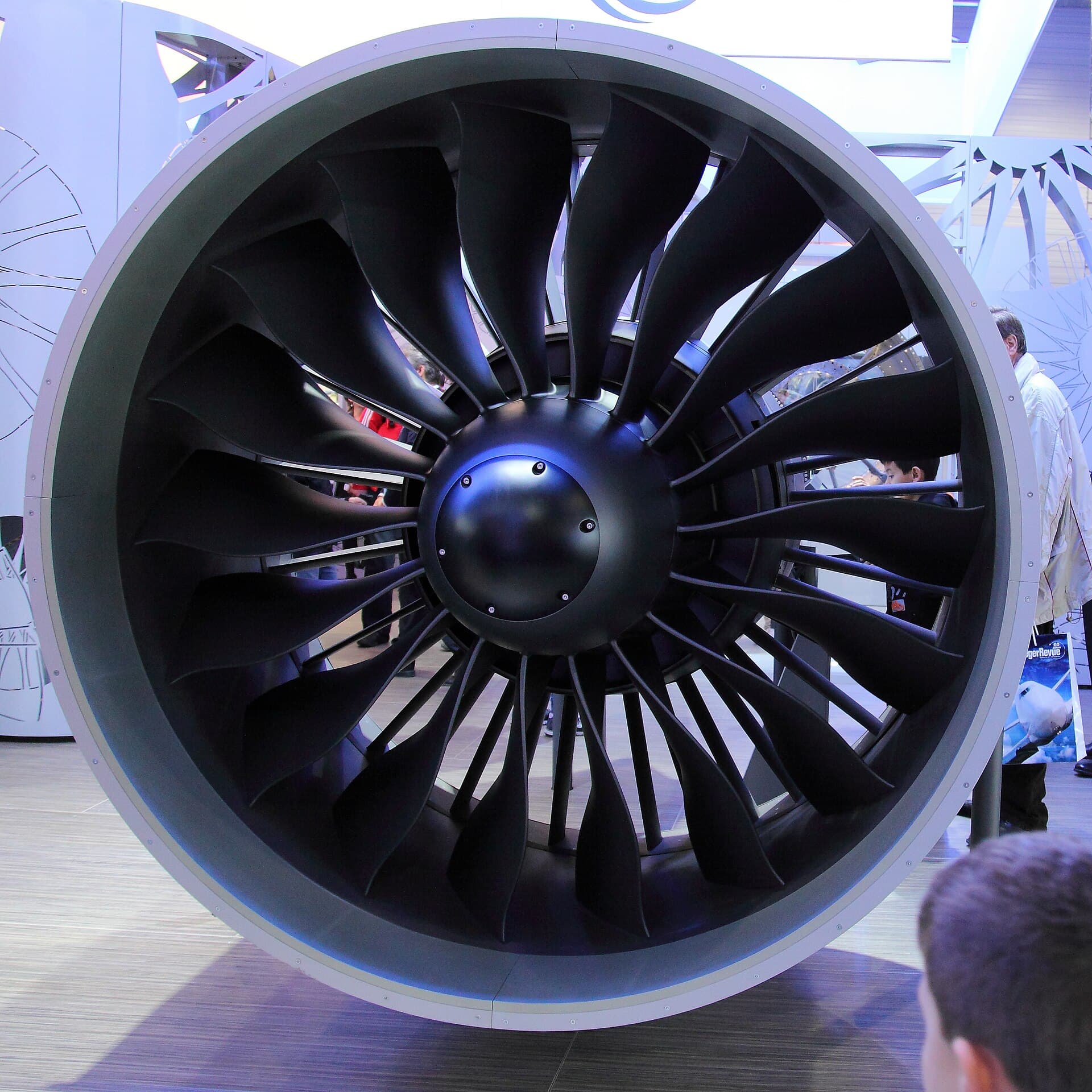
The broader engine shortage remains severe. Industry tallies cited about 835 grounded aircraft at the end of October 2025, and one snapshot put roughly 38% of the A320neo fleet out of service. Pratt & Whitney’s GTF engine powers at least 40% of A320neos in service, which is why Airbus has been forced to balance scarce engines between airlines waiting for repairs and assembly lines building new aircraft.
Airbus said on April 28 that it delivered 114 commercial aircraft in the first quarter of 2026, but engine constraints still weighed on A320-family output and quarterly profit. The company also kept its 2026 guidance unchanged. Spirit’s breakup will not fix the bottleneck, but every engine pulled from a grounded jet buys the market a little more time in a shortage that still shapes schedules, maintenance costs and fleet plans across global short-haul aviation.
This article was produced by Prism’s automated news system from verified source data, official records, and press releases, then run through automated quality and moderation checks before publishing. The system is built and supervised by the people who set the standards it runs under. Read our full AI policy.
Did this article answer your question?

