Spirit Airlines shutdown to ripple through fares, rivals, and jobs
Spirit Airlines’ collapse removes a major low-fare pressure point from U.S. aviation, likely lifting ticket prices just as budget travelers lose one of their cheapest options.

Spirit Airlines’ exit removes one of the most aggressive price-cutters in U.S. aviation, and the immediate risk for travelers is higher fares on routes where the carrier’s no-frills pricing kept rivals in check. With Spirit gone, budget-conscious flyers are likely to face fewer ultra-low-cost options and less downward pressure on tickets across many leisure-heavy markets.
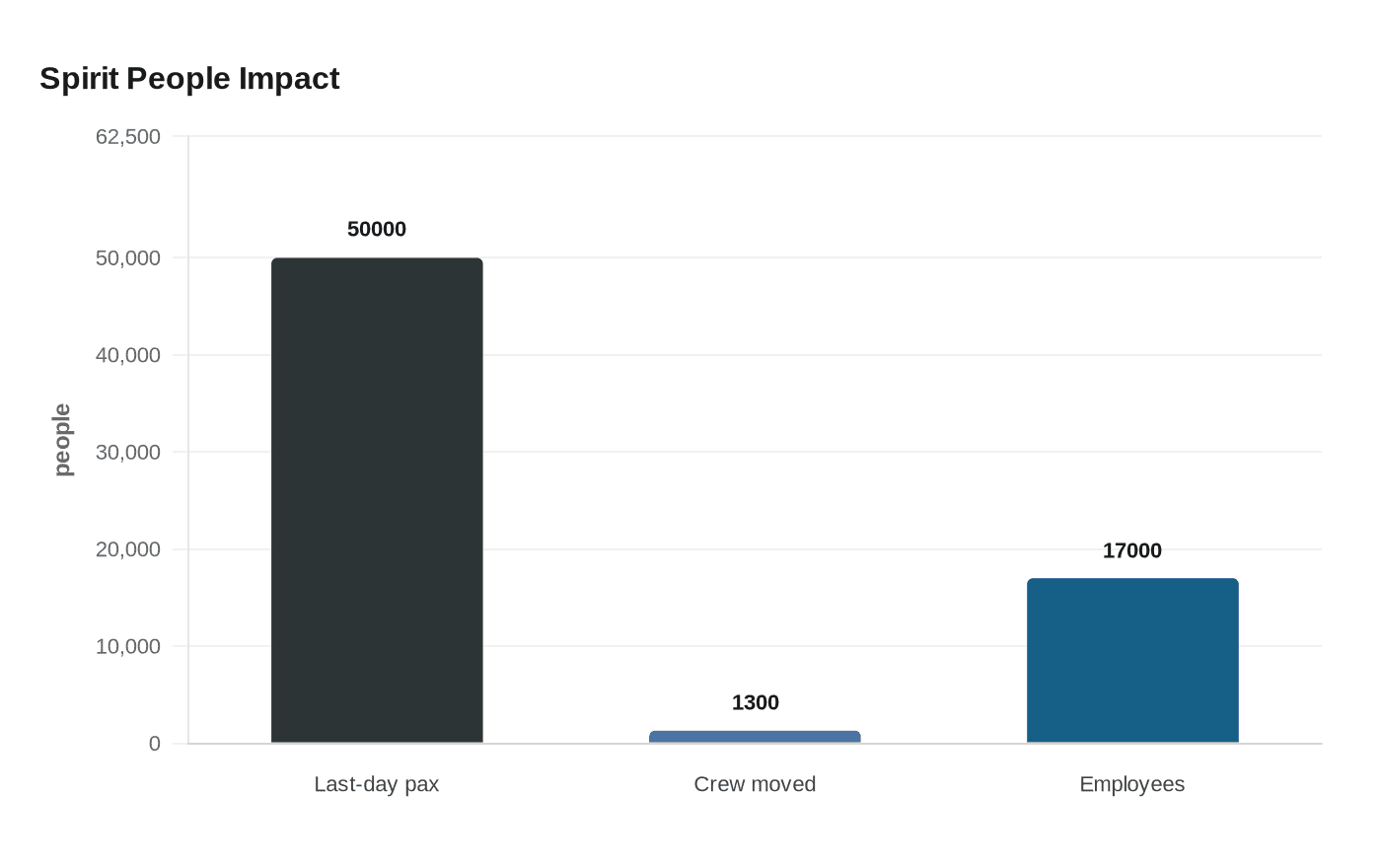
The airline shut down after failing to secure a $500 million federal bailout and began an orderly wind-down effective immediately on May 2, 2026. Its final flight, Flight 1833, ran from Detroit to Dallas, closing the book on a carrier that said it flew more than 50,000 passengers on its last day while working to return more than 1,300 crew members to their home bases.
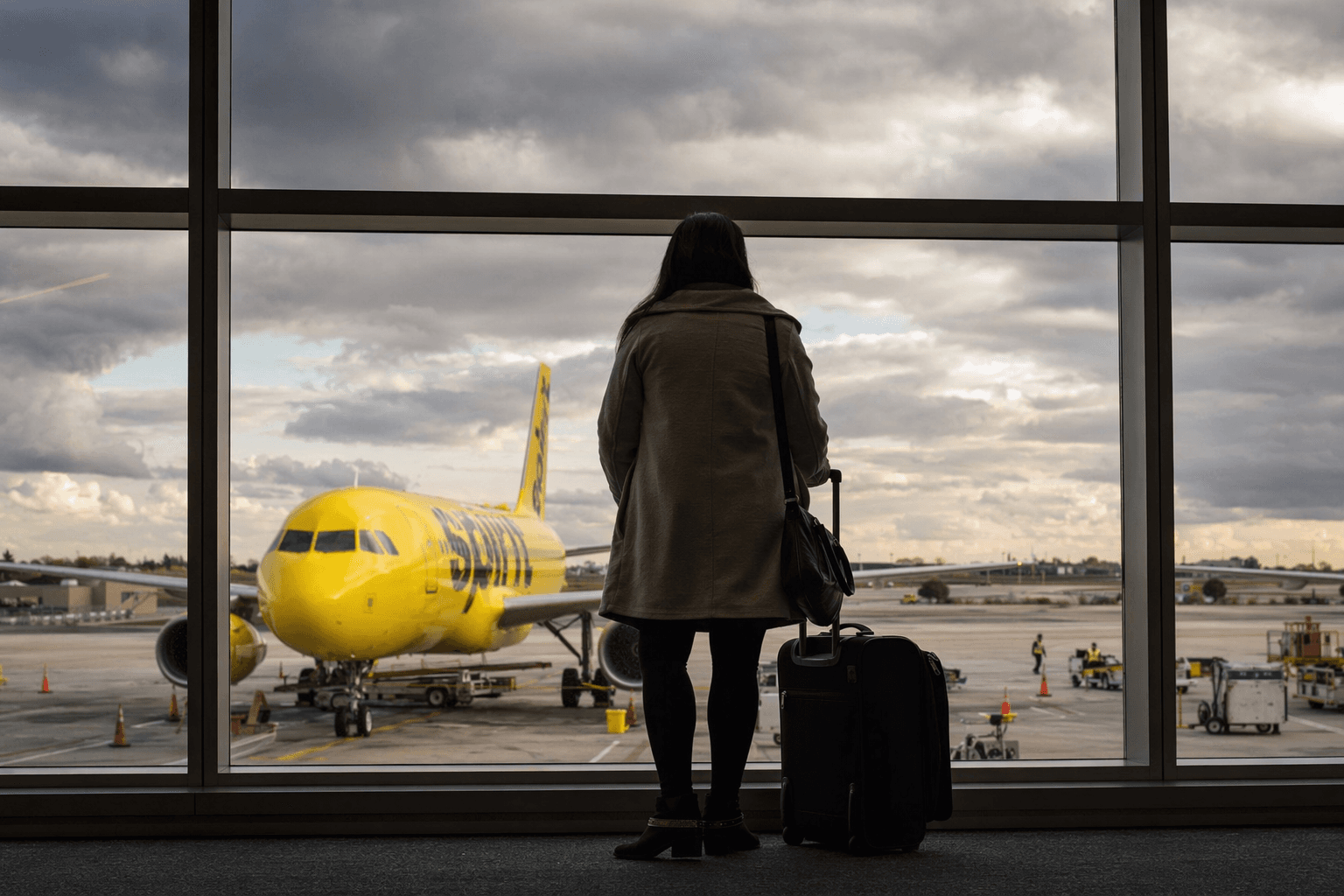
Spirit’s collapse lands hard on consumers because the airline had built its business around 60-plus destinations and more than 500 daily flights, especially in markets where lower fares could force competitors to match prices. Frontier Airlines and JetBlue Airways both saw their shares rise on expectations that they could pick up displaced travelers and capture some of Spirit’s market share. That may help those carriers, but it also means the low-end fare war that Spirit helped drive could cool quickly.
The carrier had been under intense financial strain for months. Spirit Aviation Holdings, Inc., the parent company, filed for Chapter 11 on August 29, 2025, after the airline had already emerged from a separate restructuring in 2024 that equitized about $795 million of debt. By the time it shut down, Spirit had become a symbol of the fragile economics of the ultra-low-cost model, where baggage fees, tight seat spacing and bare-bones service were meant to offset wafer-thin margins.
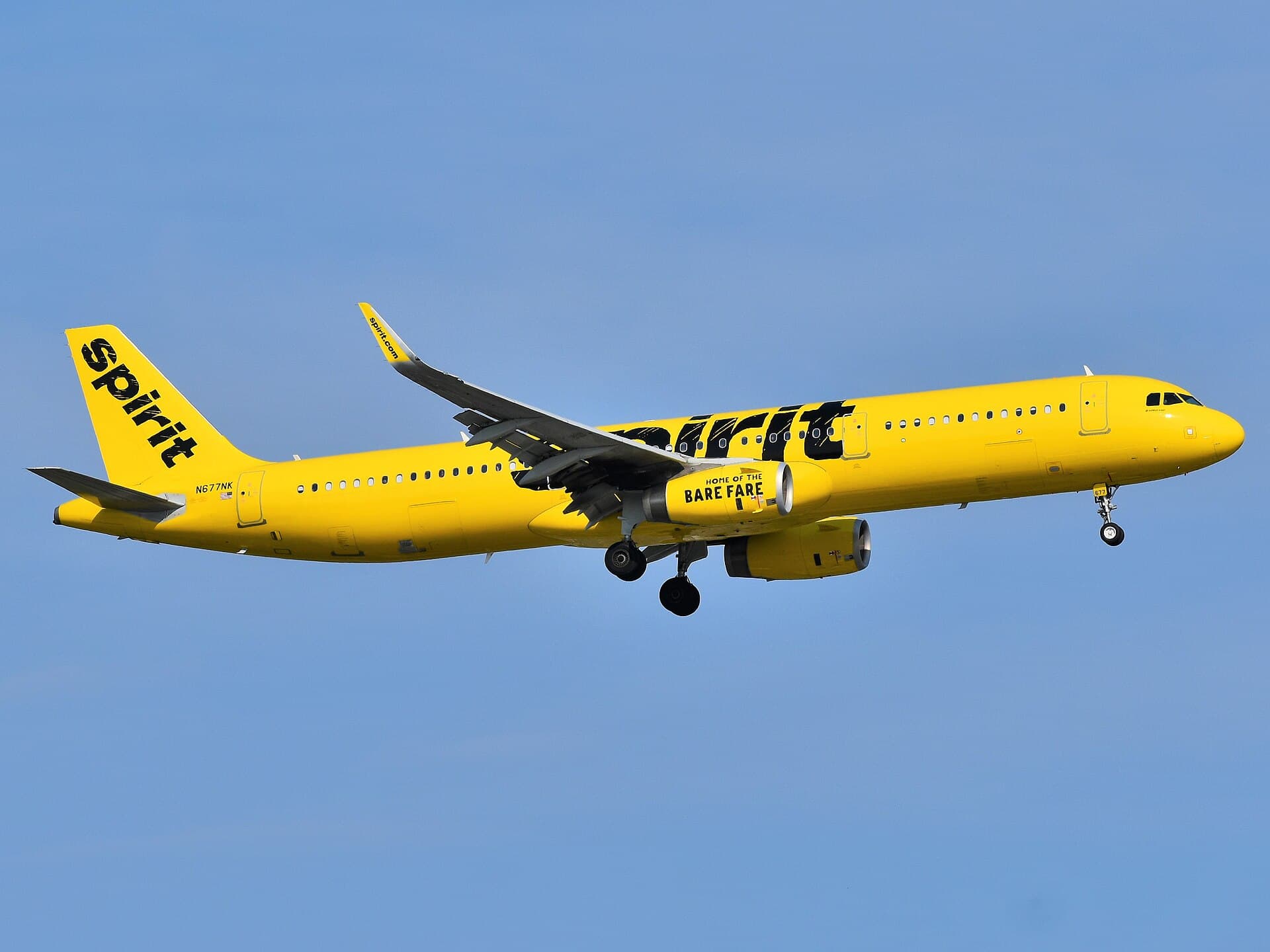
About 17,000 employees are affected by the shutdown, and the Association of Flight Attendants-CWA urged federal officials to protect Spirit workers. Airline industry analyst Henry Harteveldt captured the severity of the moment, saying, “Spirit is flying on financial fumes.” The airline traced its roots to Charter One, a 1983 charter operation in Metro Detroit, and grew into a national budget carrier that helped normalize fee-heavy flying across the industry.
For the airline market, Spirit’s disappearance may look like a win for stability, but the consumer impact points in the opposite direction. Fewer discount seats, fewer route choices and less price pressure could leave U.S. aviation more concentrated and less competitive for travelers who have long depended on Spirit to keep fares down.
This article was produced by Prism’s automated news system from verified source data, official records, and press releases, then run through automated quality and moderation checks before publishing. The system is built and supervised by the people who set the standards it runs under. Read our full AI policy.
Did this article answer your question?

