Amazon Launches Supply Chain Service to Challenge UPS and FedEx
Amazon opened its logistics network to outside businesses, putting freight, fulfillment and parcel shipping in direct competition with UPS and FedEx.

Amazon turned its sprawling logistics machine into a new business for outsiders on May 4, 2026, unveiling Amazon Supply Chain Services and offering freight, distribution, fulfillment and parcel shipping to companies of all sizes, not just Amazon sellers. The first customers include Procter & Gamble, 3M, Lands’ End and American Eagle Outfitters, a sign that Amazon intends to sell the same shipping muscle that has powered its own retail empire to brands that have long depended on third-party carriers.
The move sharpens Amazon’s challenge to UPS and FedEx by making the company not just a giant shipper, but a direct logistics provider. Amazon said the service is aimed at industries including healthcare, automotive, manufacturing and retail, giving merchants a single system for moving goods from factory floor to warehouse to doorstep. For businesses trying to simplify supply chains, that one-stop model could be attractive. It also carries a strategic risk: a company that helps handle inventory, fulfillment and delivery can become a powerful partner, but also a rival with unusually deep visibility into a customer’s operations.
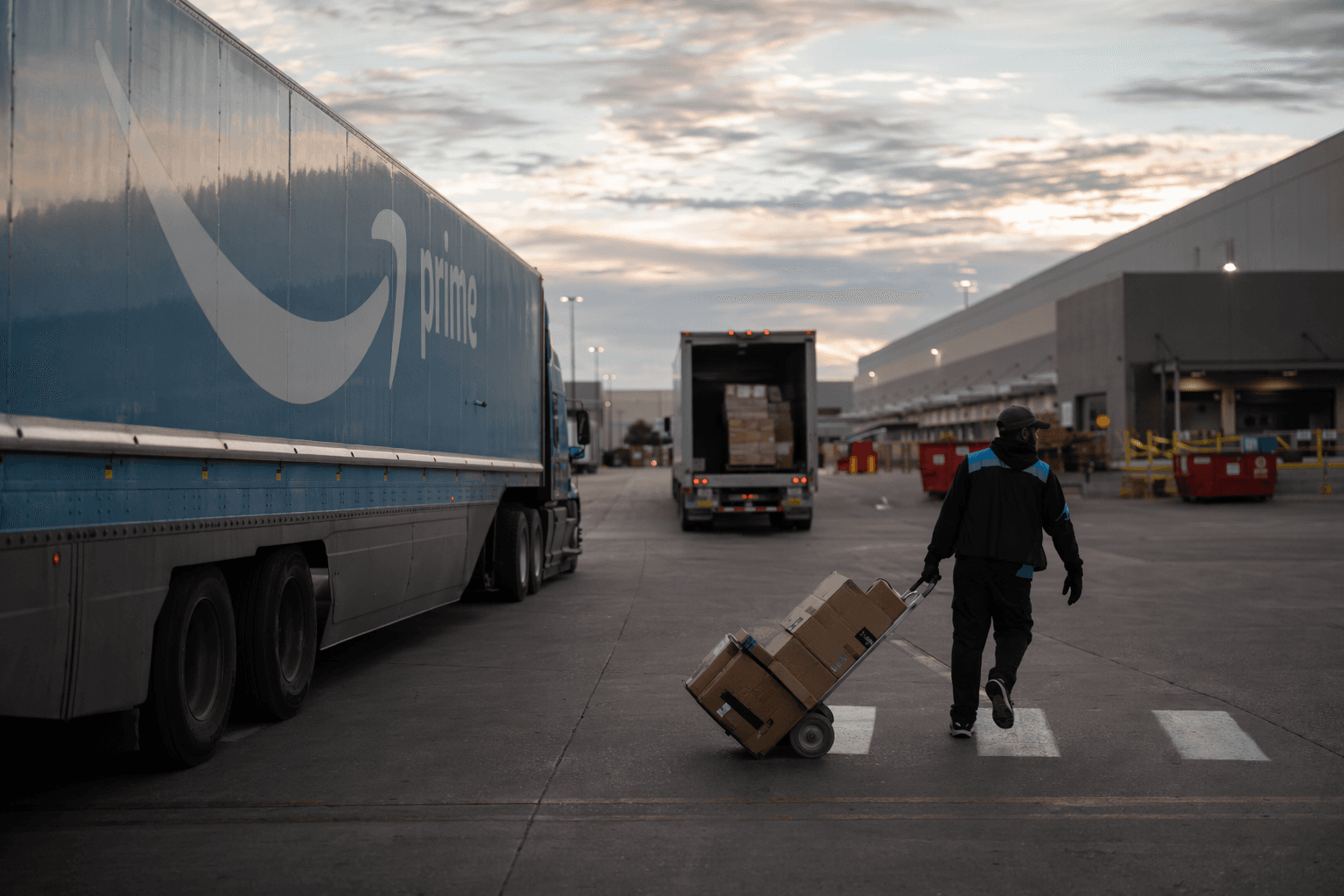
Amazon said the network behind ASCS was built over nearly three decades to support its own retail operations and independent selling partners around the world. Over the past three years, hundreds of thousands of Amazon sellers have used it to move, store and deliver hundreds of millions of packages across third-party facilities, warehouses and sales channels beyond the Amazon store. The company cast the launch as a pattern it has used before, comparing ASCS to AWS, which began as an internal capability and later became a major external business.

Amazon’s own supply-chain blog said the decision to build the network dates to 2013, after a Christmas Eve delivery failure exposed the limits of relying on outside logistics during peak demand. That origin story now sits at the center of Amazon’s pitch: the company built a more resilient system for itself, then decided it could sell that system to others. With Amazon’s transportation network spanning ocean, air, ground and rail, and supported by more than 80,000 trailers, 24,000 intermodal containers and more than 100 aircraft, the company is bringing scale that few carriers can match.
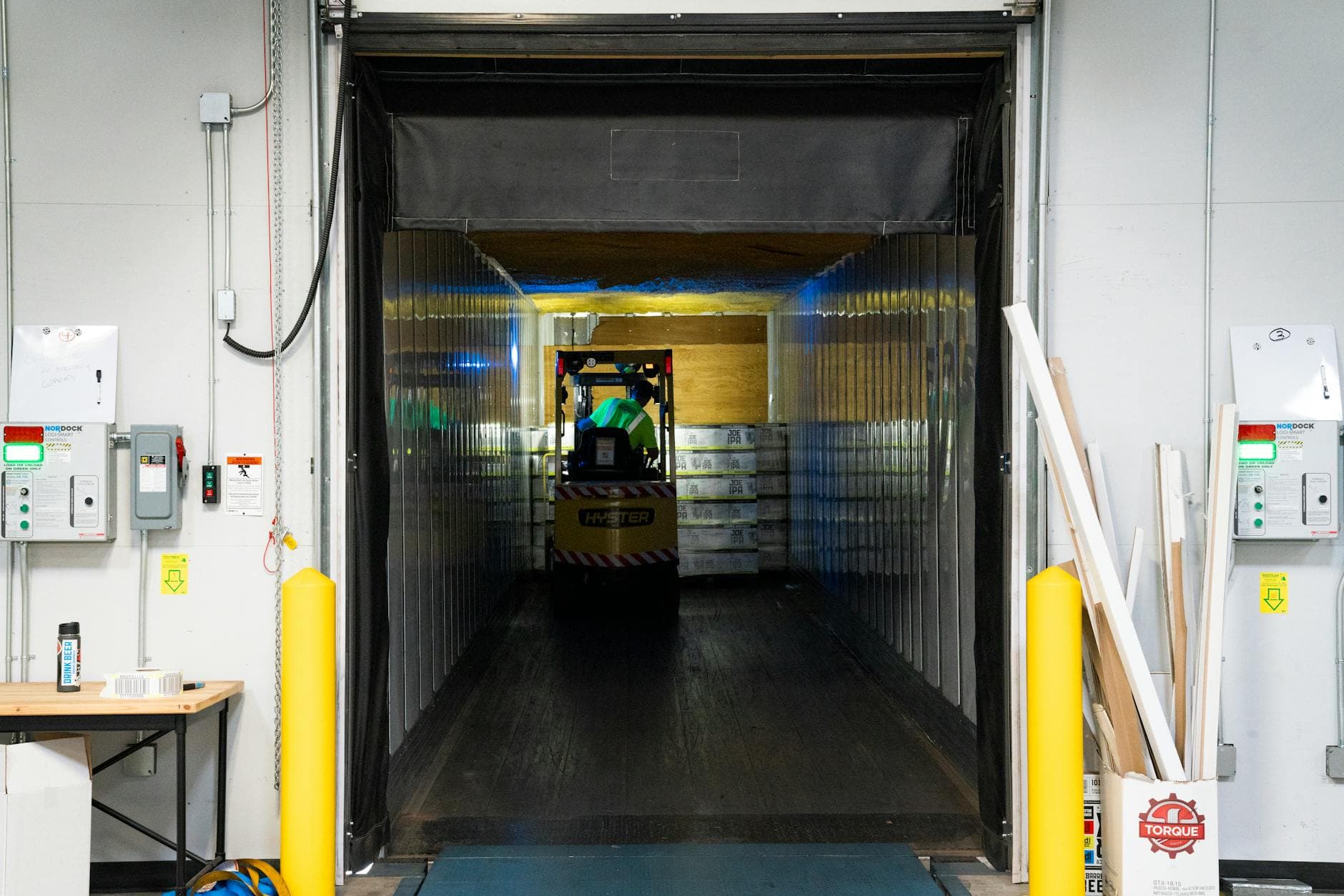
The market reaction was immediate. UPS and FedEx fell in premarket trading after the announcement, underscoring how seriously investors are treating Amazon’s expansion beyond retail. If ASCS gains traction with major brands, Amazon could emerge as a more formidable logistics competitor than many shippers expected, one that competes not only on price and speed, but on the power of owning the entire commerce stack.
This article was produced by Prism’s automated news system from verified source data, official records, and press releases, then run through automated quality and moderation checks before publishing. The system is built and supervised by the people who set the standards it runs under. Read our full AI policy.
Did this article answer your question?