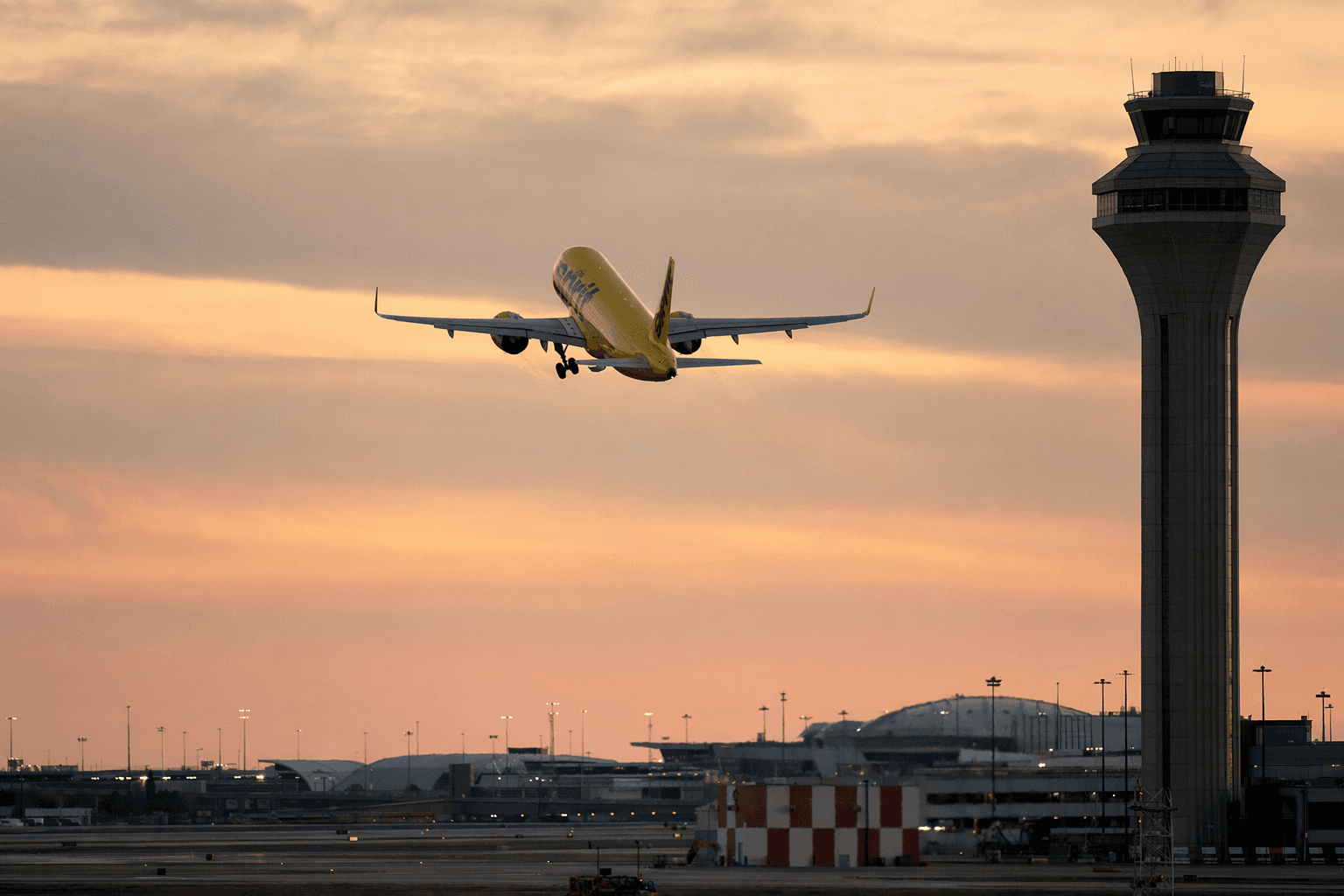
Spirit Airlines shuts down operations, cancels all flights amid financial collapse
Spirit canceled every flight and told passengers not to head to the airport as a fuel-cost shock forced an immediate wind-down.
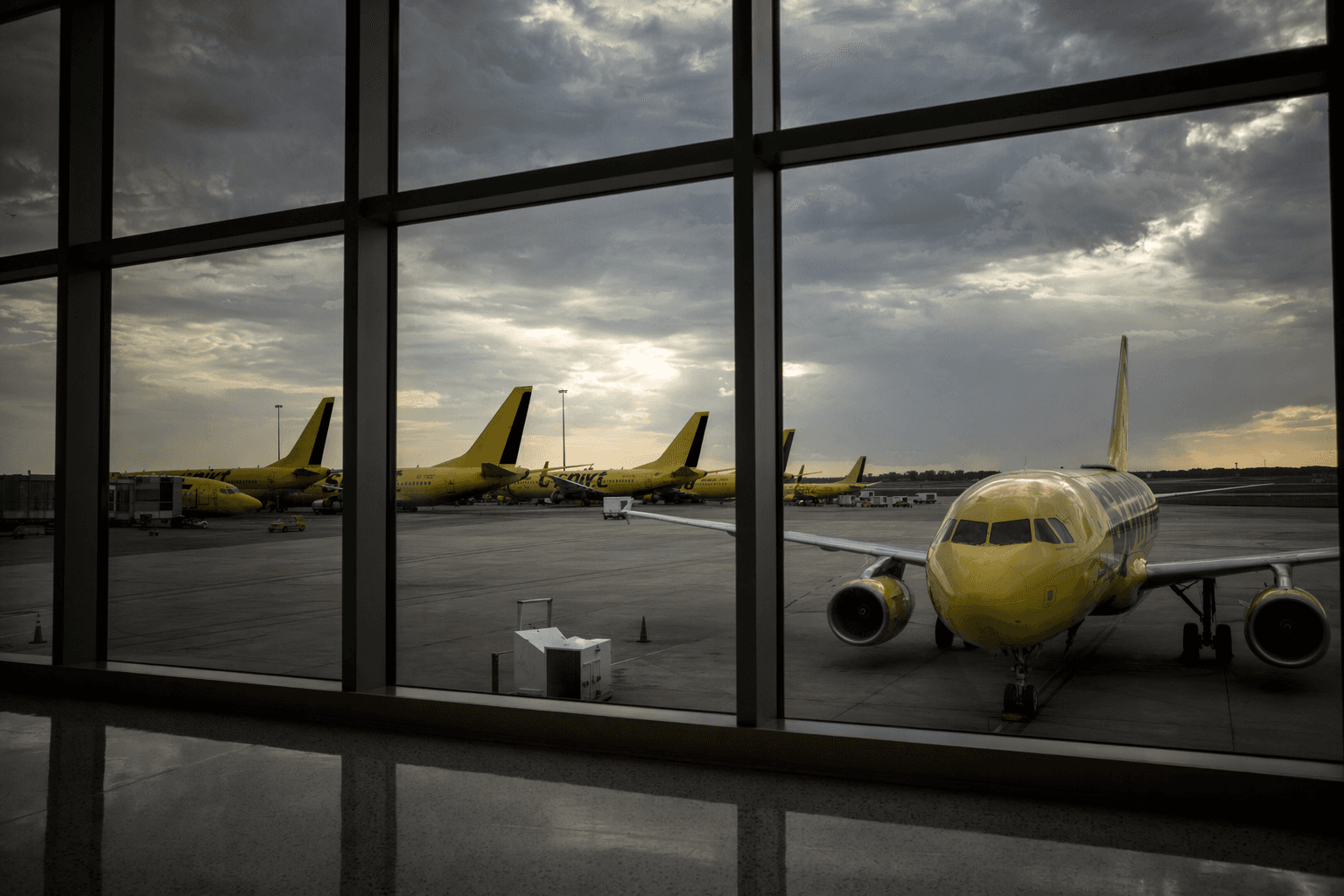
Spirit Airlines shut down operations immediately, canceled every flight and told passengers not to go to the airport as the budget carrier ran out of financing and tried to contain a collapse tied to higher fuel costs. The airline said travelers who bought tickets directly with a credit or debit card will get automatic refunds back to the original form of payment, while anyone who booked through a travel agent must contact that agent for a refund.
The move marks a brutal ending for a company that had already spent months fighting for survival. Spirit emerged from Chapter 11 on March 12, 2025 after equitizing about $795 million of funded debt and receiving a $350 million equity investment from existing investors. It returned to bankruptcy on August 29, 2025, filing again in the United States Bankruptcy Court for the Southern District of New York under case number 25-11897. Spirit Aviation Holdings, the parent company, said it had pursued restructuring and transactions to strengthen the balance sheet, but a recent material increase in oil prices and other pressures pushed the business past the point of recovery.
For passengers, the next 24 to 72 hours are straightforward but disruptive: do not go to the airport, check the form of payment used to buy the ticket, and contact the travel agent if the reservation was not made directly with Spirit. Spirit said no additional funding was available. That leaves stranded travelers competing for rebookings across an airline market that has already been tightening capacity. Spirit had 4,119 domestic flights scheduled between May 1 and May 15, with 809,638 seats, giving the shutdown immediate reach far beyond its base in Orlando and Dania Beach, Florida.
The collapse also has heavy implications for workers and creditors. Spirit’s shutdown is expected to cost thousands of jobs and wipes out the cash flow needed to keep restructuring talks alive. Spirit’s president and chief executive, Dave Davis, said the airline reached a bondholder restructuring agreement in March 2026 that would have allowed it to continue as a going concern, but the sudden rise in fuel prices left it without another option.
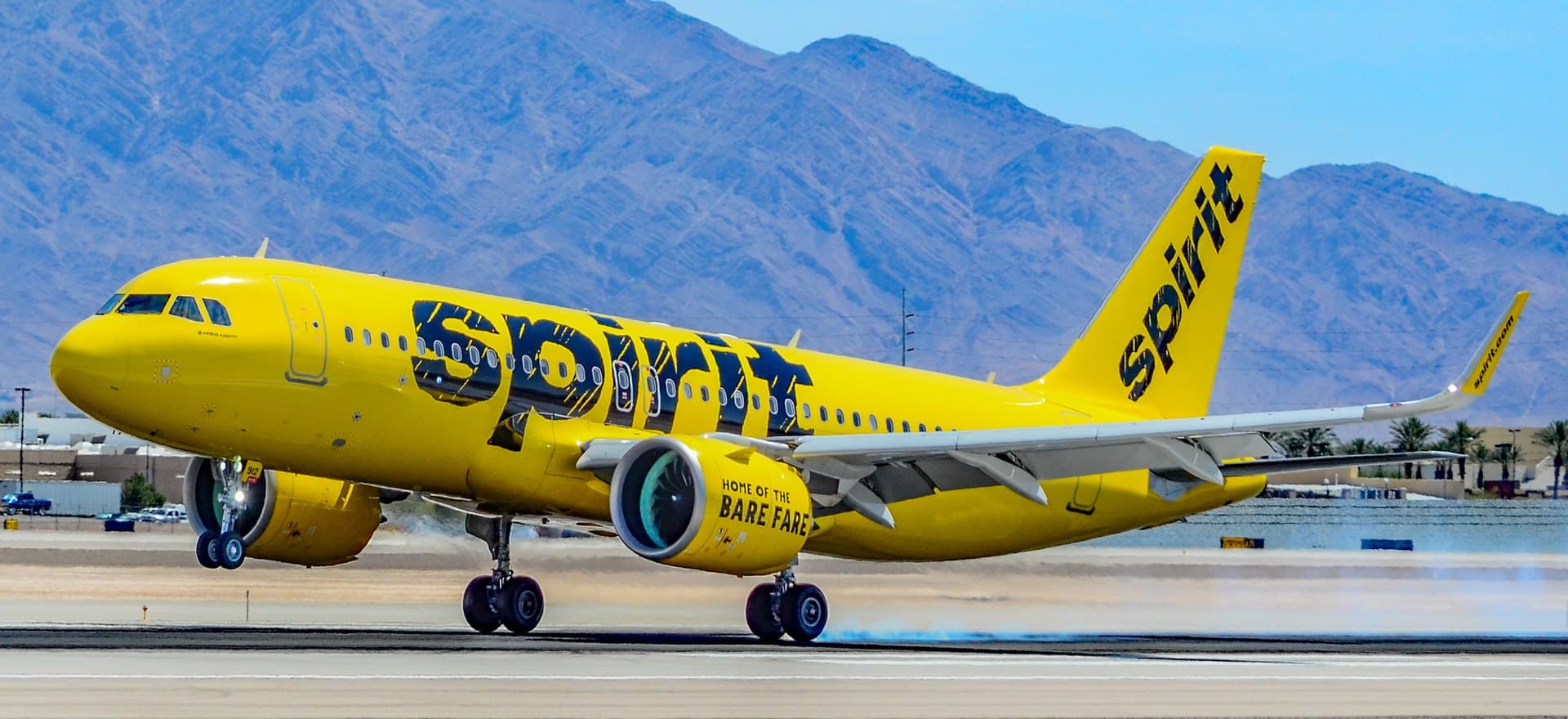
Spirit thanked Secretary of Commerce Howard Lutnick, the U.S. Department of Commerce and the U.S. Department of Transportation for efforts to minimize disruption, along with labor unions, lessors and financial stakeholders including Citadel, Cyrus Capital and Ares Management Corp. The carrier’s failure lands in a larger market shift: Spirit once accounted for about 5% of U.S. flights, and its bare-bones model helped keep fares low on routes where rivals had to compete aggressively. Now JetBlue Airways and Frontier Airlines are positioned to pick up some of the traffic as Spirit disappears from the market, a sign of how quickly a low-cost airline can unravel when fuel spikes and financing dries up.
Know something we missed? Have a correction or additional information?
Submit a Tip