Split-colored lobster, a one-in-50-million catch, headed to Woods Hole Aquarium
A rare split-colored lobster, a chimera with one side each of two colors, was pulled from Cape Cod waters and sent to Woods Hole for display.
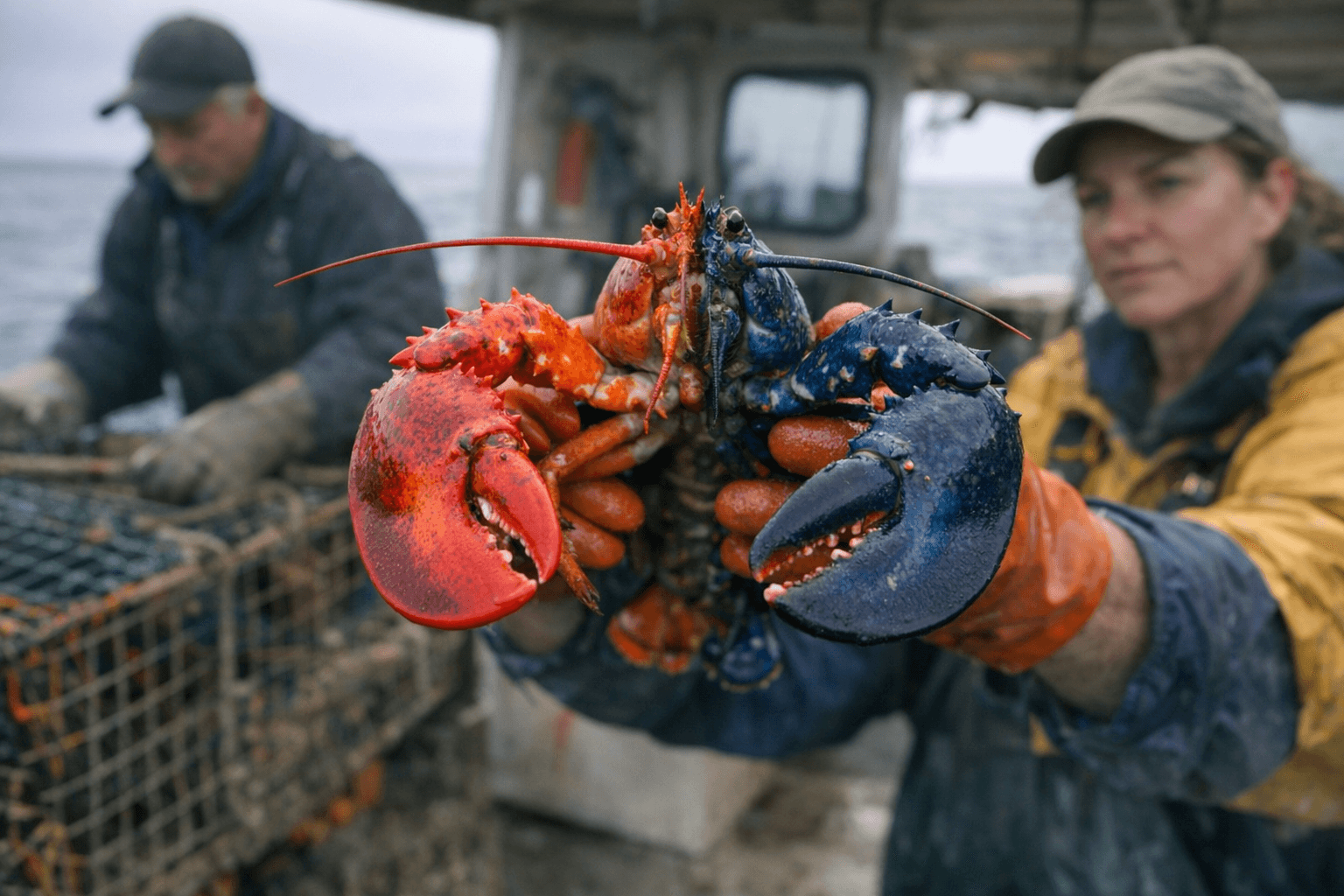
A fishing crew off Cape Cod hauled up something scientists rarely get to study in person: a split-colored lobster with one half a different color from the other. The lobster was caught by the crew of the Timothy Michael on April 16, and officials said the odds of finding one in the wild are about 1 in 50 million.
The animal, also called a chimera, is more than a novelty. Split coloration can come from genetic mosaicism, pigment irregularities during development, or, in rare cases, gynandromorphism, when an animal develops as half male and half female. That makes a lobster like this useful to biologists trying to understand how unusual traits appear in crustaceans, even if a single catch cannot answer every question about heredity or development. Rarity estimates, meanwhile, can be hard to pin down because these animals are not tracked consistently across fisheries and aquariums.
Wellfleet Shellfish Company donated the lobster to the Woods Hole Science Aquarium, where it will be put on public display once the aquarium is ready. For now, the lobster is being housed in holding tanks at the Marine Biological Laboratory while the aquarium remains under construction. The Woods Hole Science Aquarium, which is maintained by NOAA and sits in Falmouth near Woods Hole, has long served as a window into the region’s marine life, and the Marine Biological Laboratory, founded in Woods Hole in 1888, has made the town a center for marine science.
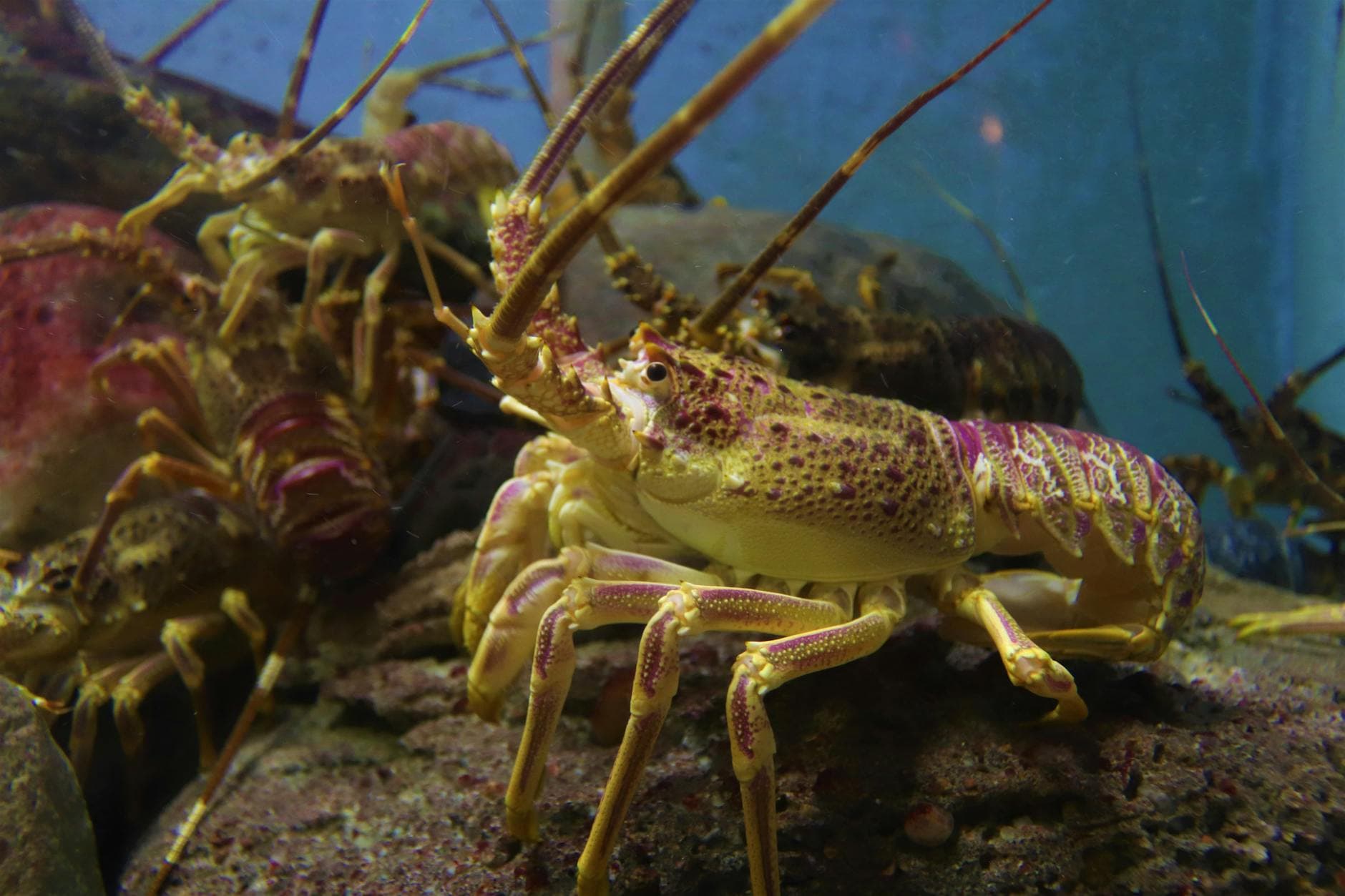
The catch also lands in a region where rare lobsters already draw attention from researchers and aquarists. The New England Aquarium says a lobster’s shell color is shaped by genetics and diet, and it has displayed rare orange, yellow, calico and blue lobsters over the years. One of its best-known specimens, the half black-half orange “Halloween” lobster from Beverly, was also described as among the rarest, at about 1 in 50 million.
The timing matters because Cape Cod lobstering sits inside a fishery under strain. Southern New England lobster stocks have fallen to their lowest levels on record, and regulators have been weighing trap reductions and seasonal closures as waters warm and pressure builds on the fishery. Against that backdrop, a lobster like this is not just a curiosity. It is a reminder of how much marine science still depends on what individual crews pull from the sea, and how quickly a single unusual animal can become part of the region’s public record.
This article was produced by Prism’s automated news system from verified source data, official records, and press releases, then run through automated quality and moderation checks before publishing. The system is built and supervised by the people who set the standards it runs under. Read our full AI policy.
Did this article answer your question?