Spotify warns of softer second quarter as subscriber growth slows
Spotify’s second-quarter outlook cooled even after a solid first quarter, as premium-subscriber growth and profit guidance came in below expectations. Investors pushed the stock down about 6%.
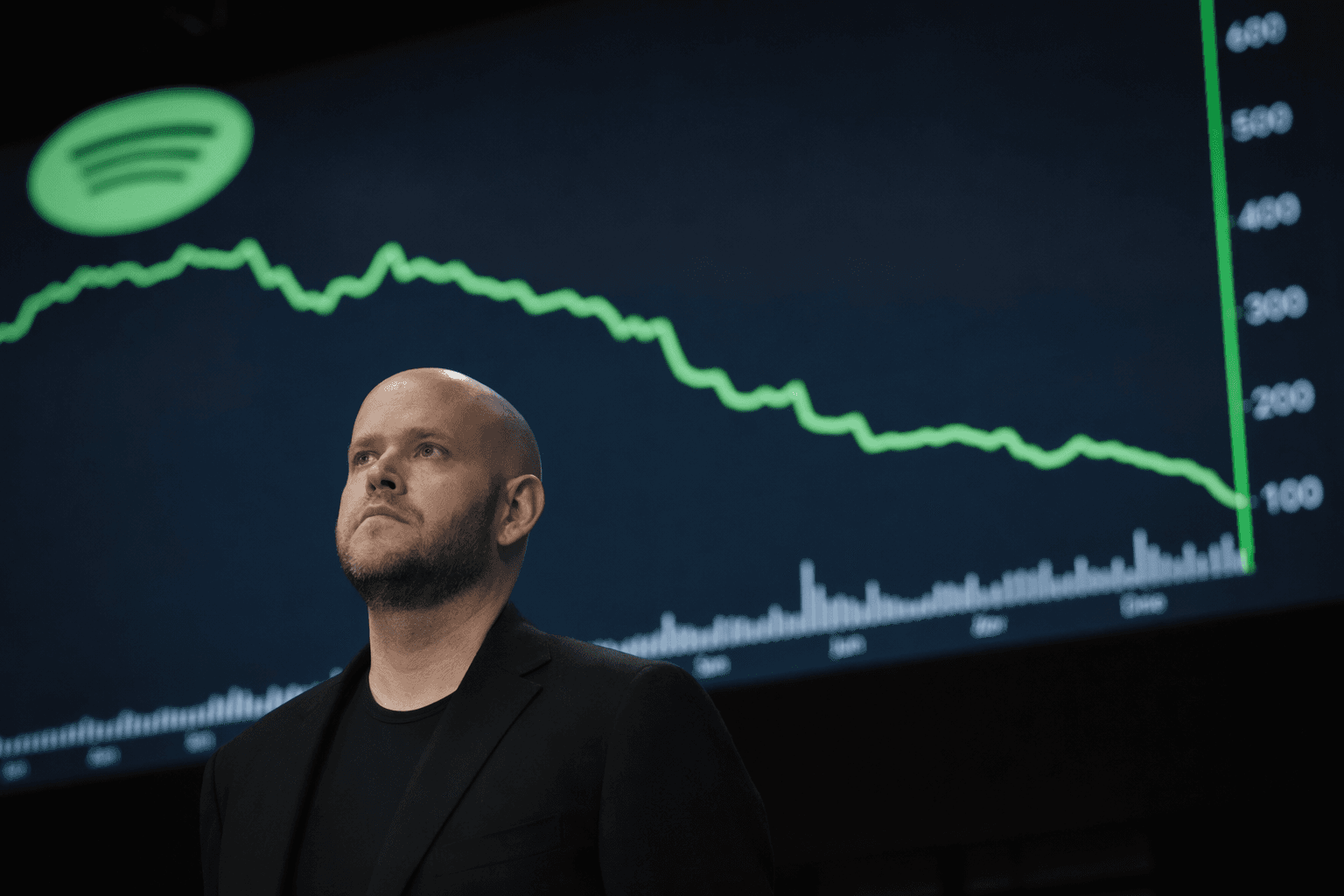
Spotify’s softer second-quarter outlook showed how much harder it is becoming to wring growth from a business that already reaches hundreds of millions of listeners. The company said it expects operating income of 630 million euros in the second quarter, below the 684 million-euro market consensus, and projected premium subscribers at 299 million, also under Wall Street’s forecast. In premarket trading, the stock fell about 6%.
The caution matters because Spotify has spent the past several years proving that a subscription streamer can get more profitable through price increases, tighter costs and better margins. That playbook still worked in the first quarter. Revenue rose to about 4.5 billion euros, operating income reached a record 715 million euros and gross margin improved to 33%. Monthly active users climbed 12% from a year earlier to 761 million, while premium subscribers rose 9% to 293 million.

Even so, the new guidance suggests the next leg of the story will be harder. Spotify said it expects monthly active users to reach 778 million in the second quarter, which is slightly better than analysts had expected, but the slower premium-subscriber forecast points to weaker monetization ahead. That tension is central to the company’s business model: Spotify can still add listeners, but converting those listeners into paying customers is getting tougher in mature markets where households are already making hard choices about recurring monthly charges.
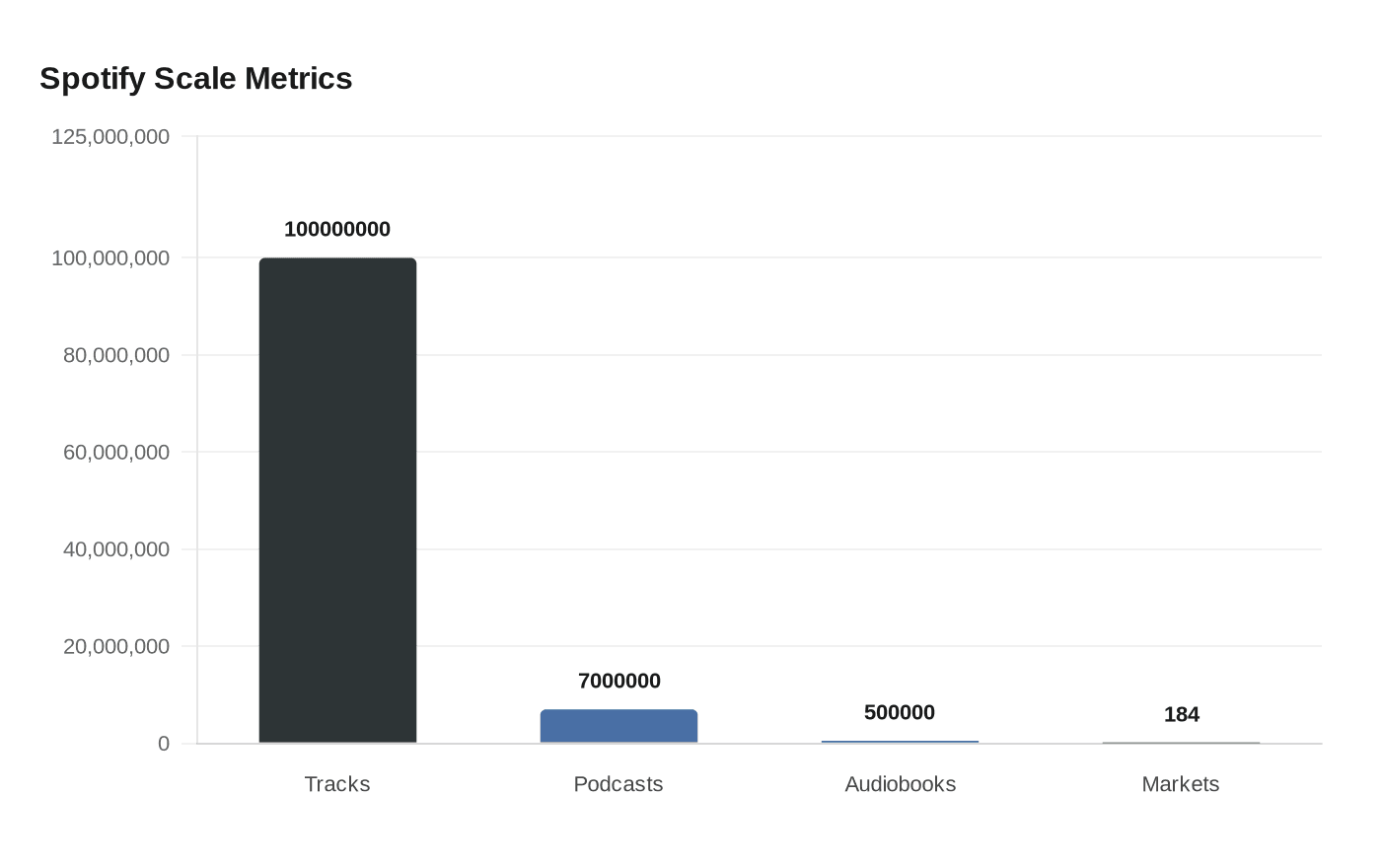
The pressure is especially visible in Europe and North America, where competition from Apple and Amazon is intense and consumers have more audio options than ever. Spotify’s investor materials say it has 751 million users, including 290 million subscribers, across 184 markets, a scale that underlines both the strength of the platform and the limits of easy expansion. With 100 million tracks, 7 million podcast titles and 500,000 audiobooks in select markets, the company is trying to make itself harder to leave.

That effort now includes a bigger push into artificial intelligence, with products such as AI DJ and AI Playlist designed to improve discovery and keep users engaged. Spotify has also leaned into broader personalization and its expanding audiobook business, signaling that it wants to be more than a music subscription service. The question for investors is whether those features can translate into durable pricing power and stronger margins once the streaming market is no longer in its hypergrowth phase.
The latest forecast lands just months after Spotify’s leadership change took effect, with Daniel Ek moving to executive chairman and Gustav Söderström and Alex Norström taking over as co-chief executives on January 1, 2026. Spotify’s investor site listed the stock at $518.00 on April 24, reflecting a market that is still rewarding execution, but only while growth and profits keep moving in tandem.
This article was produced by Prism’s automated news system from verified source data, official records, and press releases, then run through automated quality and moderation checks before publishing. The system is built and supervised by the people who set the standards it runs under. Read our full AI policy.
Did this article answer your question?