Spy chiefs lose power to block evidence in public inquiries
Spy chiefs can no longer veto evidence from public inquiries, forcing any national security exemption into court as Hillsborough-law changes advance.
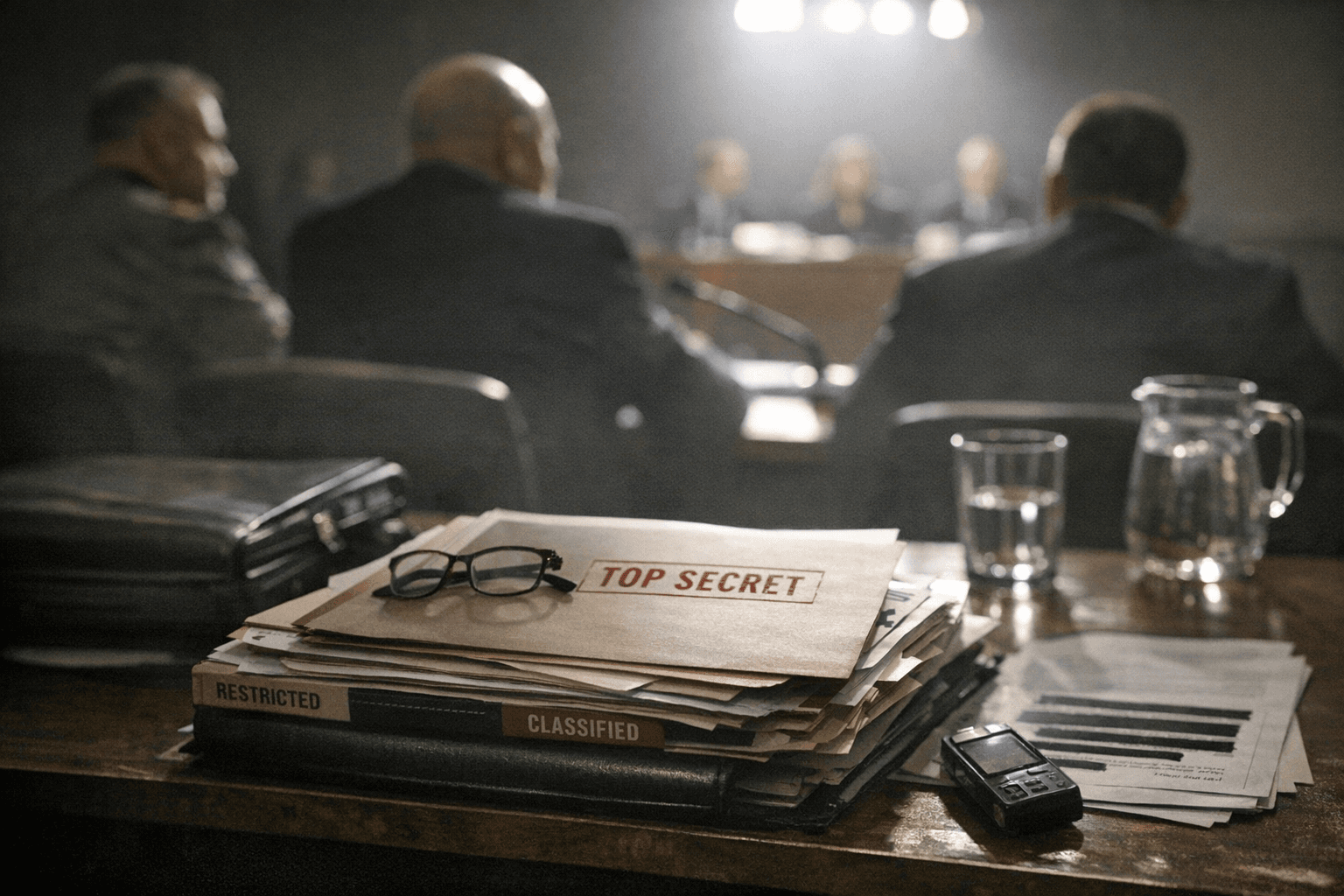
Security chiefs lost a central power under the Hillsborough Law after ministers dropped a proposal that would have let intelligence-service heads block officers from giving evidence to future public inquiries. Under the revised plan, MI5 and MI6 would have to apply to a court if they want any disclosure exempted on national security grounds.
The change sits inside the Public Office (Accountability) Bill, introduced to Parliament on 16 September 2025 and given its second reading on 3 November 2025. MPs had been due to consider its report stage and third reading on 19 January 2026, but the government delayed the timetable again to make further amendments as it tried to strike, in its words, the right balance between transparency and national security.
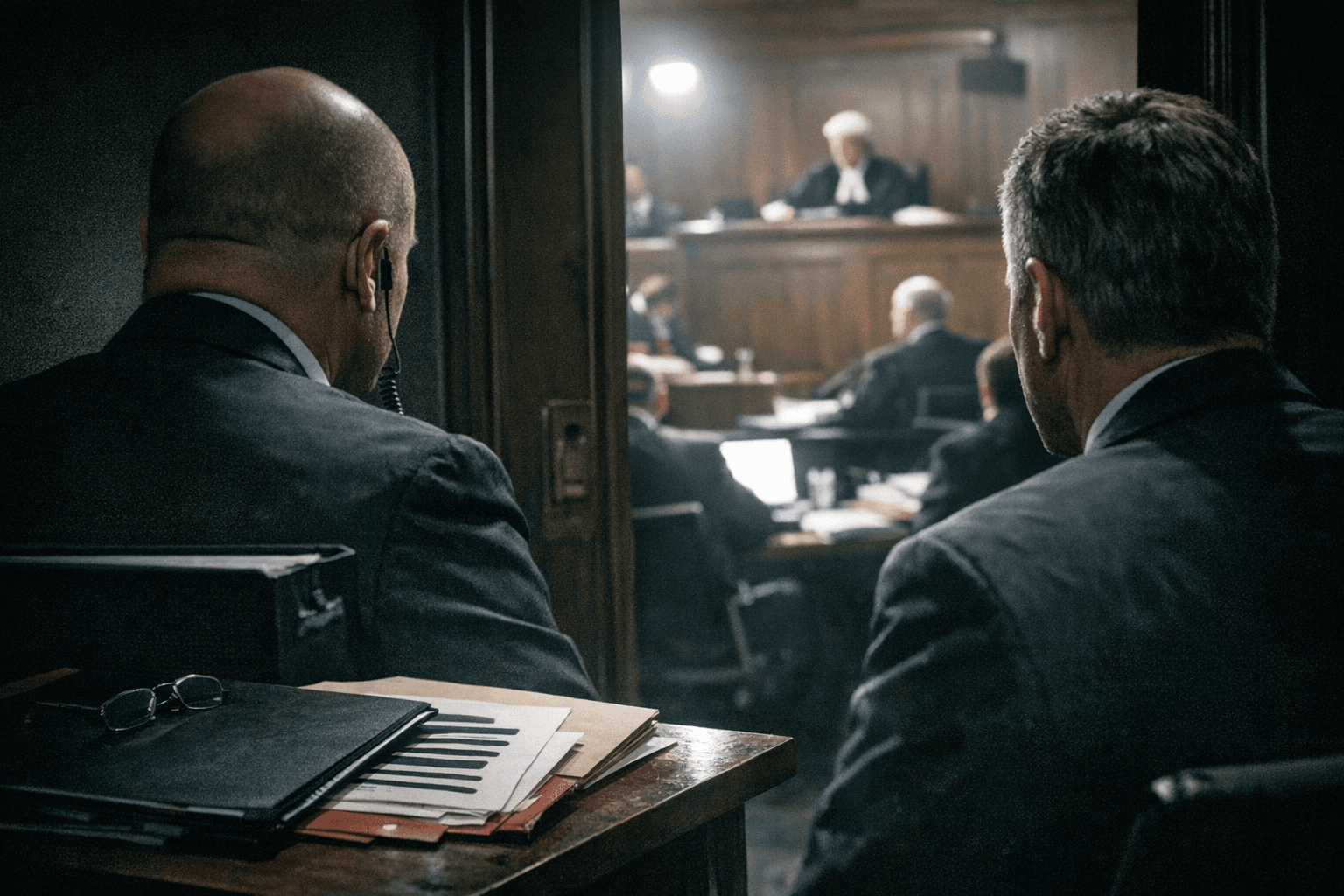
That balance has become the fault line in a bill built around Hillsborough and the 97 people who died in the disaster. Ministers say the legislation is meant to stop the kind of cover-ups associated not only with Hillsborough, but also with the Horizon scandal, Infected Blood, Grenfell, Orgreave and Windrush. The bill would create a statutory duty of candour and assistance for public authorities and officials, backed by criminal sanctions, and it would give bereaved families publicly funded legal representation at inquests where public bodies are involved.
The original intelligence-services carve-out drew immediate criticism from campaigners and metro mayors. Steve Rotheram and Andy Burnham said the amendment “risks undermining the spirit of the legislation,” while Hillsborough Law Now said any change should not endanger national security but still prevent intelligence-service cover-ups. Ministers later said they were working with Hillsborough families to “get this bill right.”
The wider bill goes beyond inquiry evidence. It would replace the common law offence of misconduct in public office with two new statutory offences, and it would introduce parity of representation for bereaved families at inquests. The government has also said the measure would require a money resolution because it would increase spending on legal aid for bereaved families, marking one of the largest expansions in legal aid for a decade.
This article was produced by Prism’s automated news system from verified source data, official records, and press releases, then run through automated quality and moderation checks before publishing. The system is built and supervised by the people who set the standards it runs under. Read our full AI policy.
Did this article answer your question?

