Sri Lanka Suspends New Imports of J&J Baby Powder, Seeks Tests
Sri Lanka has temporarily blocked new shipments of Johnson & Johnson Baby Powder until J&J India produces fresh test results proving the talc is free of asbestos, Reuters reported on December 14, 2025. The move could ripple through regional supply chains and intensify regulatory scrutiny after years of litigation and prior testing disputes.
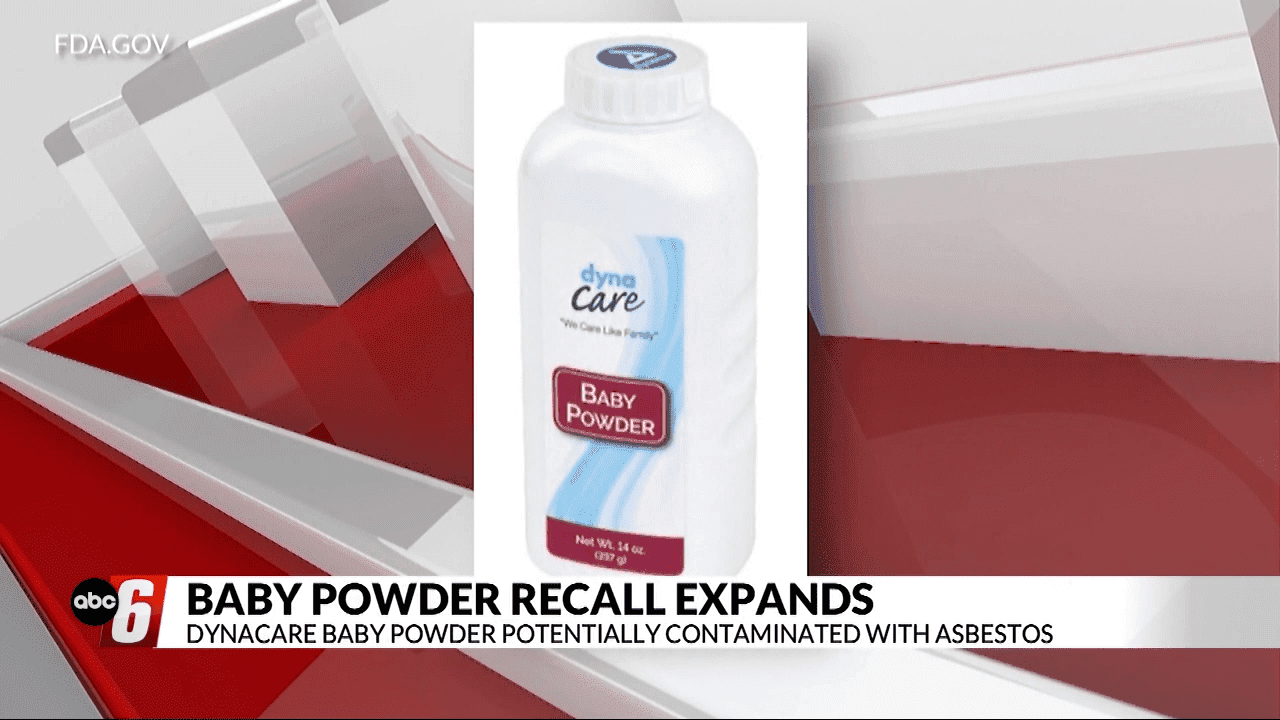
Sri Lanka has halted new imports of Johnson & Johnson Baby Powder pending fresh laboratory results showing the talc product is free of carcinogenic asbestos, government officials and the product’s local distributor told Reuters on December 14, 2025. The restriction applies only to new consignments sourced from J&J India, while existing stocks already in the country may continue to be sold domestically.
Reporting attributed the decision to two unnamed government officials and the local distributor, and local outlets cited Kamal Jayasinghe, the chief executive of the National Medicine Regulatory Authority, as among those who briefed stakeholders. Public details of any formal NMRA statement remain limited. Some local headlines described the measure as halting all imports, but multiple sources clarified that current retail stocks are not being recalled.
The precaution follows heightened international scrutiny of J&J talc products after years of litigation and investigative reporting. Reuters has previously reported that the U.S. company was aware for decades of asbestos in some samples of Baby Powder. Separately, civil litigation has led to large jury awards and settlements, including a US$4.7 billion verdict last year for 22 women who alleged J&J talc products caused ovarian cancer, a case in which several plaintiffs have since died according to media coverage. Earlier U.S. Food and Drug Administration testing from 2009 to 2010 reportedly found no traces of asbestos in J&J talc products, a contrast that regulators and courts have grappled with in assessing risk.
Asbestos refers to a group of fibrous minerals whose microscopic fibres can damage the lungs when inhaled and have been linked to certain cancers in occupational and other exposure contexts. The Sri Lankan action reflects concern about potential contamination in a consumer product widely used for infant care and personal hygiene across parts of Asia, and it underscores growing regulatory caution around talc supply chains.
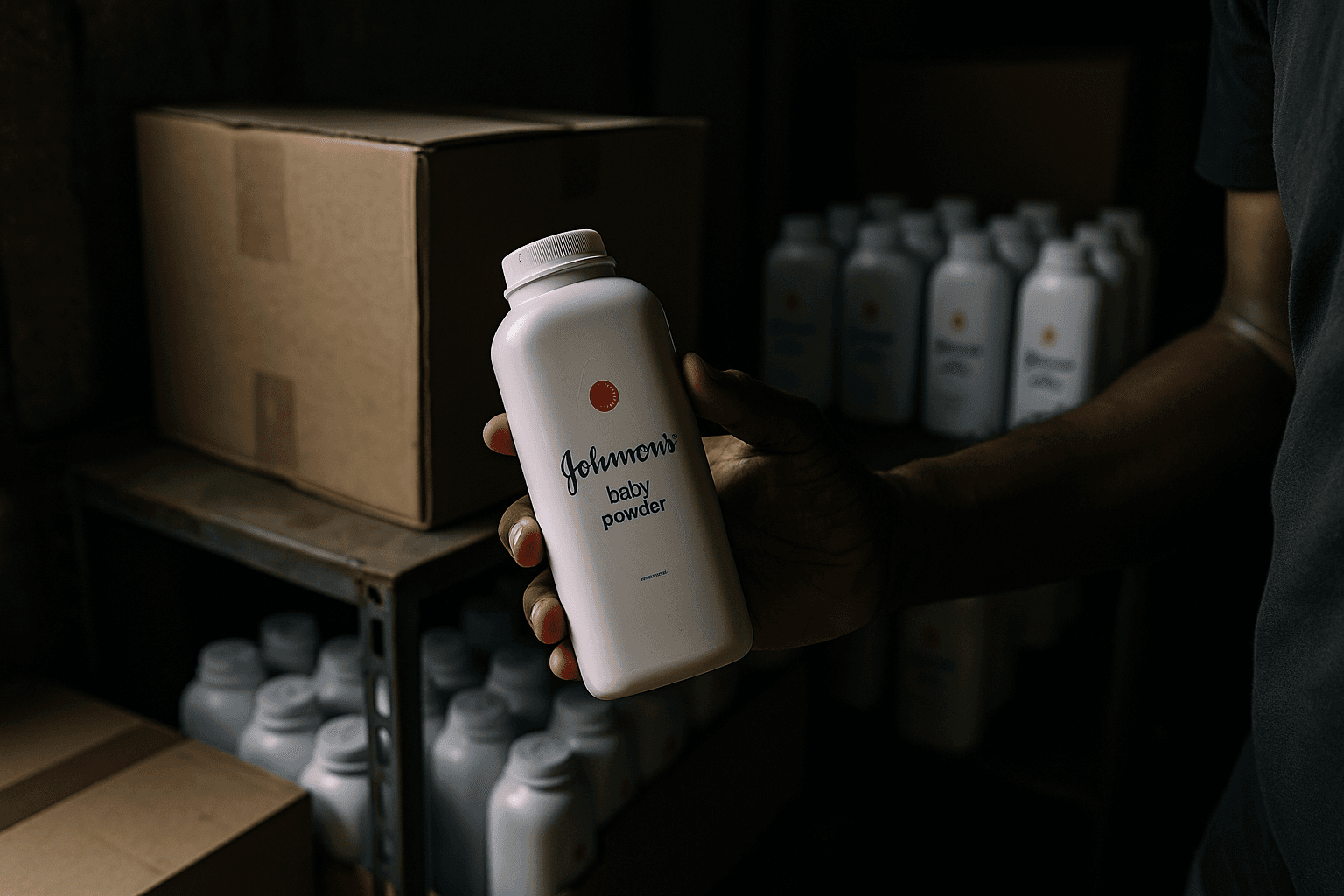
Market implications are immediate and pragmatic. Retailers and distributors in Sri Lanka are likely to face uncertainty around restocking decisions, and a prolonged pause could tighten availability and push consumers toward substitutes, including talc free alternatives. For J&J India, which supplies the Sri Lankan market, the measure raises the prospect of export disruption and reputational spillovers across nearby markets that source similar products.
The policy implications extend beyond a single shipment. Sri Lanka has framed the pause as temporary and conditional on receipt of fresh test data, but reporting did not specify whether authorities will accept company conducted analyses, demand independent laboratory verification, or require batch by batch testing. Those procedural details will determine the practical length of the halt and may set a precedent for other regulators weighing precautionary limits on consumer talc.
Longer term this episode is likely to accelerate trends already visible in the cosmetics and personal care sector: intensified regulatory oversight, greater demand for supply chain transparency, and a continued shift by consumers and manufacturers toward talc free formulations. The immediate question now is whether J&J India can supply the tests Sri Lankan authorities deem satisfactory and how quickly regulators will clarify standards and timelines for resuming new imports.
This article was produced by Prism’s automated news system from verified source data, official records, and press releases, then run through automated quality and moderation checks before publishing. The system is built and supervised by the people who set the standards it runs under. Read our full AI policy.
Did this article answer your question?

