Sri Lanka's dengue outbreak surges past 44,000 cases, hospitals strain
Hospitals are under pressure as Sri Lanka's dengue count tops 44,000, with monsoon rains and cyclone debris fueling a fast-moving surge.
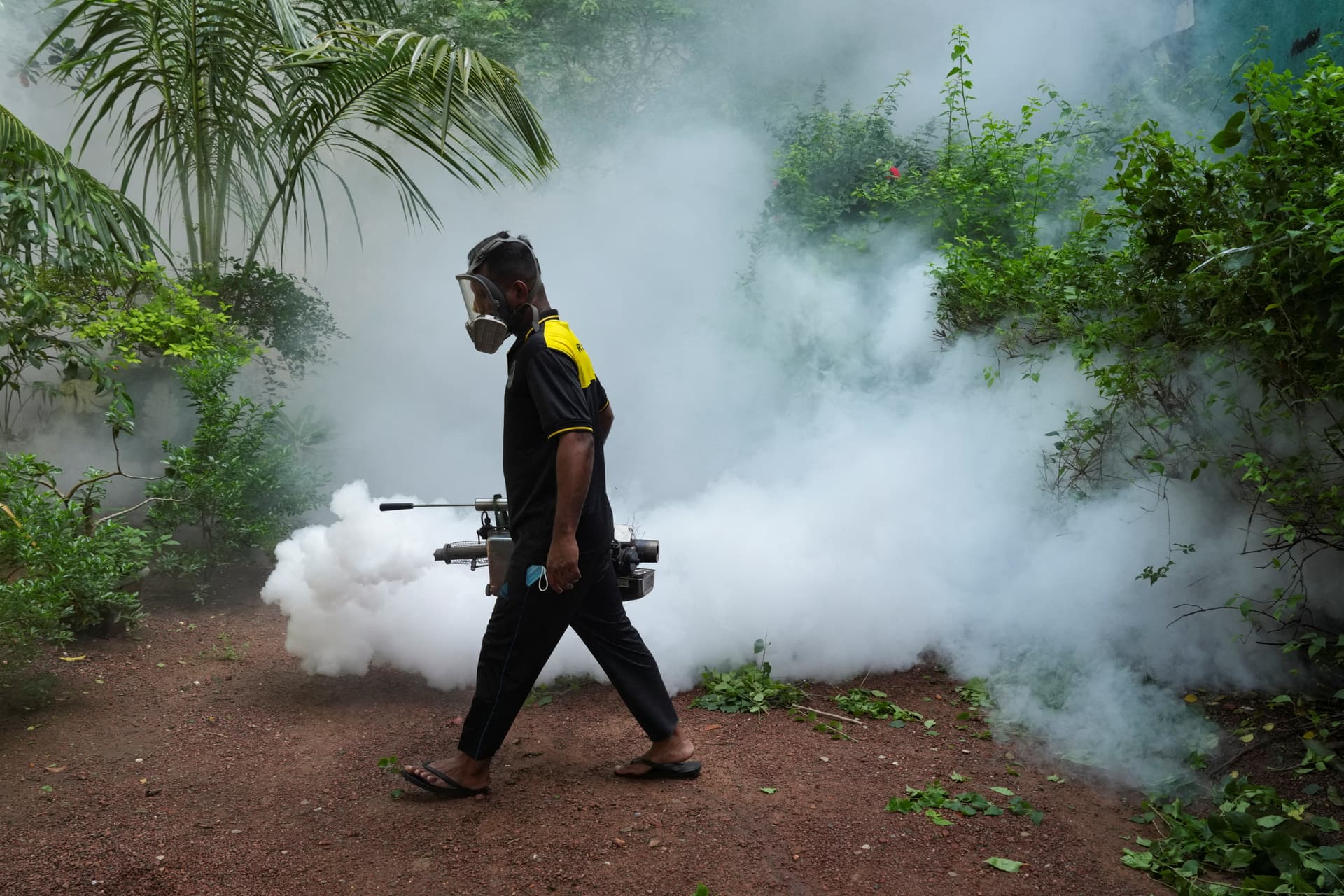
Sri Lanka’s hospitals are feeling the strain of the country’s worst dengue surge in years, as more than 44,000 infections and 28 deaths have been recorded since January. The outbreak is colliding with monsoon rains, unplanned urbanisation and lingering debris from Cyclone Ditwah, creating conditions that have made mosquito control harder and clinical demand harder to absorb.
The pressure has built quickly. Data from the National Dengue Control Unit show cases nearly doubled from 5,651 in April to 10,638 in the first two weeks of June, a pace that points to a widening emergency rather than a short-lived spike. Sri Lanka’s Epidemiology Unit, the main national body for communicable disease control, surveillance and outbreak investigation, publishes the weekly epidemiological reports used across the health system to track that spread.
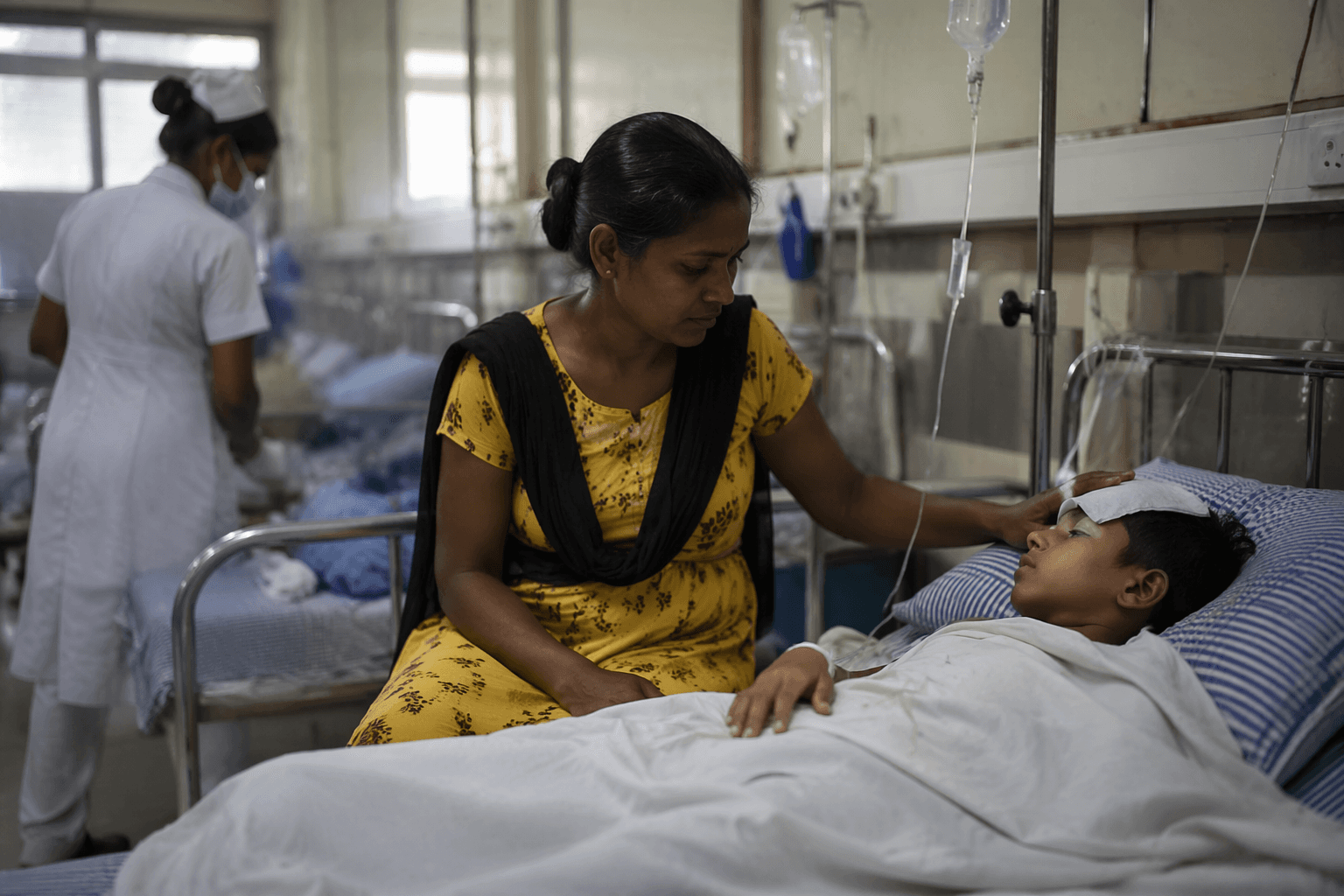
The early pattern this year showed how concentrated transmission can be. In the first 14 days of 2026, Sri Lanka recorded 3,478 dengue cases, and epidemiological week 1 alone brought 1,689 new infections, up 48% from the previous week. The Western Province accounted for 56% of those early-January cases, with Colombo a major contributor, underscoring how densely populated urban areas continue to drive the epidemic.

Dr. Prashila Samaraweera, a consultant community physician and spokesperson for the National Dengue Control Unit, said the rise became visible after the cyclone because debris remained in the environment and entomological indices were high. The damage matters because it turns ordinary cleanup into a public-health intervention: standing water in rubble, broken drainage and unmanaged waste all give mosquitoes more places to breed.
The scale is already nearing last year’s total of 51,000 dengue cases, even before the usual seasonal peak has fully run its course. Officials expect infections may continue rising for at least two more weeks before easing, a warning sign for hospitals that are already under pressure and for mosquito-control teams that must coordinate spraying, surveillance, community cleanups and clinical preparedness at the same time.
The broader pattern is a familiar but worsening one. Sri Lanka has long lived with cyclical dengue epidemics, often in the 35,000 to 50,000 range, but the 2017 outbreak reached 186,101 suspected cases, showing how quickly the disease can overwhelm public-health capacity. Relief and early-response systems were already being activated on June 4, and the current surge suggests that climate, disaster debris and crowded urban growth are now combining to make dengue harder to contain than ever.
This article was produced by Prism’s automated news system from verified source data, official records, and press releases, then run through automated quality and moderation checks before publishing. The system is built and supervised by the people who set the standards it runs under. Read our full AI policy.
Did this article answer your question?