Stainless Steel Minimalist Jewelry: Durable, Affordable Staples for Capsule Wardrobe
316L surgical‑grade stainless steel is being promoted as a daily‑wear staple for minimalist jewelry, prized for scratch resistance, a cooler luster than rhodium‑plated gold, and low maintenance.

DG Jewelry’s consumer-facing guide declares one clear candidate for a capsule wardrobe: 316L (surgical grade) stainless steel. The post frames that grade as “an increasingly popular material for minimalist, everyday jewelry” and argues that stainless steel’s iron‑based alloy construction delivers “industrial-strength beauty” suited to real life, not museum care. DG Jewelry goes further: “I believe that stainless steel is the best material for this look. Actually, it is the only metal that truly fits a busy, modern life.”
Durability is the through‑line across retailer and brand copy. Artizanjoyeria lists “## 1. Durability that lasts,” calling stainless steel “resistant to scratches, dents, and daily wear,” while Deema & Co. highlights “Durable: Scratch-resistant and long‑lasting” and “Waterproof: Safe in the shower, pool, and gym.” DG Jewelry contrasts that performance with softer traditional metals, noting that “a gold or silver ring can quickly become dented or scratched,” and positions stainless steel as the material that lets you “treat your jewelry like a daily-wear staple.”
Skin safety and composition are where claims require scrutiny. Deema & Co. runs the clearest line: “100% stainless steel only — no compromises,” and answers the common question bluntly: “People often ask: ‘is stainless steel hypoallergenic?’ The answer: yes, when it’s pure stainless steel.” Deema lists “Hypoallergenic: Safe for sensitive skin, with minimal nickel release” and warns that “not all stainless steel jewellery is created equal,” that low‑grade alloys can “tarnish, rust, or worse, irritate your skin.” Those explicit warnings make material disclosure and grade verification actionable requirements when buying.
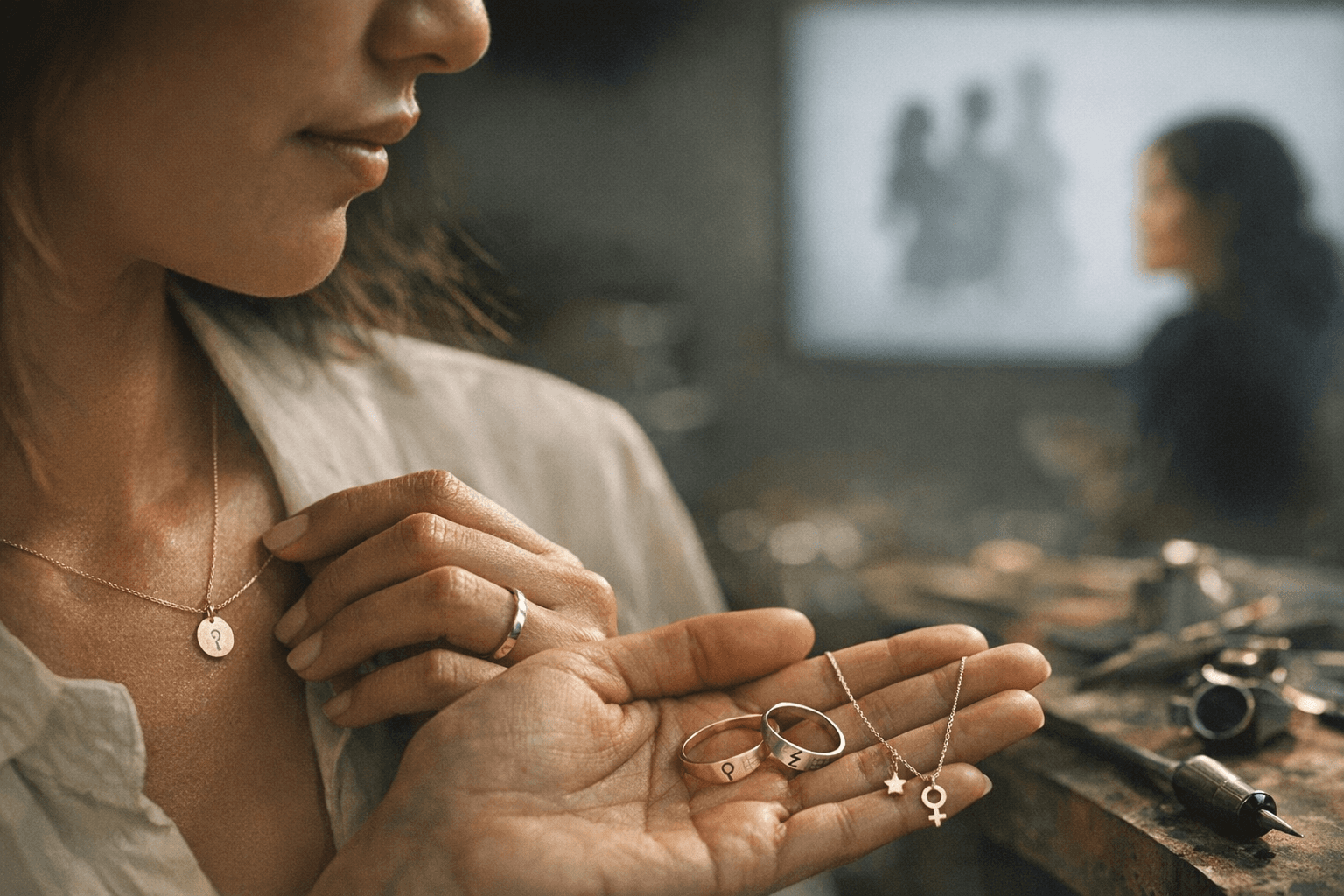
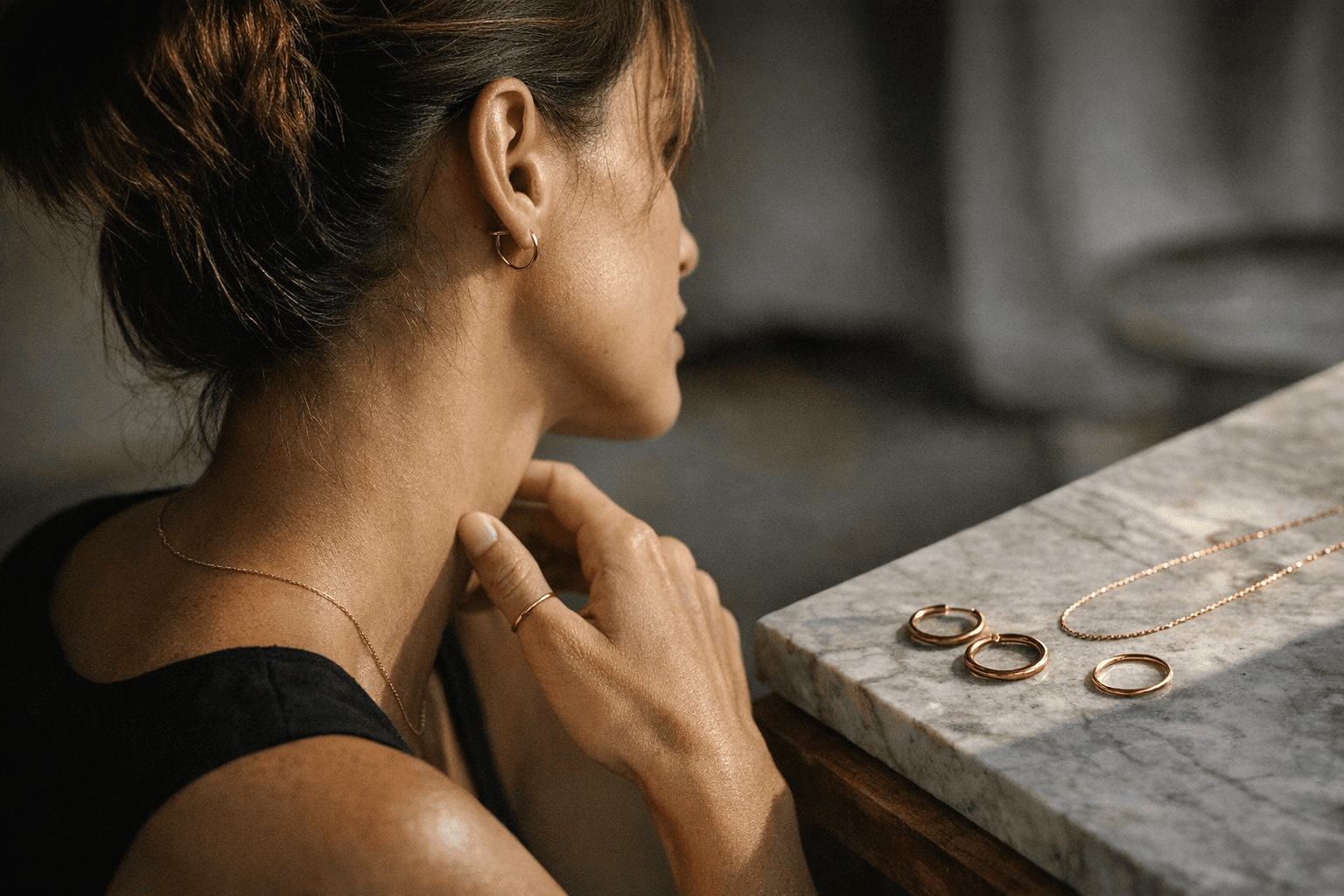
Aesthetic arguments unite the marketing notes. Lefengjewelry frames stainless steel as the perfect match for “clean lines, simple shapes, and subtle elegance,” praising a “smooth, polished surface” that “reflects light in a subtle, understated way.” DG Jewelry adds a comparative observation: “Because steel possesses a deeper, cooler luster than the bright white of rhodium-plated gold, it creates a sharper contrast against both skin and fabric.” Retail examples from Artizanjoyeria illustrate price points in this category: a Tennis Necklace described as silver with “diamond-like stones” listed at $130, a Procida Necklace at $62, and an ANNE CLIP ON LOCK NECKLACE at $145, though the listings do not explicitly confirm alloy grades for those items.
Sustainability and marketing deserve healthy skepticism. Lefengjewelry runs a heading titled “Go Green with Style: Why Stainless Steel is the Sustainable Jewelry Choice” but the supplied copy offers no lifecycle or sourcing data. That gap echoes Deema’s push for precise language: “When it comes to jewellery, 100% stainless steel isn’t optional — it’s essential. Choosing anything less means risking irritation, tarnish, and wasted money.”
If you are building a capsule wardrobe around minimalist jewelry, prioritize verified material information: ask for 316L or equivalent grade confirmation, request composition/spec sheets where brands claim “100% stainless steel,” and treat vague sustainability headings as unsubstantiated until proven. The payoff is practical: scratch resistance, waterproof wear, a cooler, modern luster, and the low‑maintenance staples that designers and retailers alike now pitch as daily essentials.
Know something we missed? Have a correction or additional information?
Submit a Tip