Stanford graduates weigh AI backlash as adoption surges on campus
Stanford’s AI boom is colliding with student unease as graduates see faster adoption, softer hiring and a tighter job market for young coders.
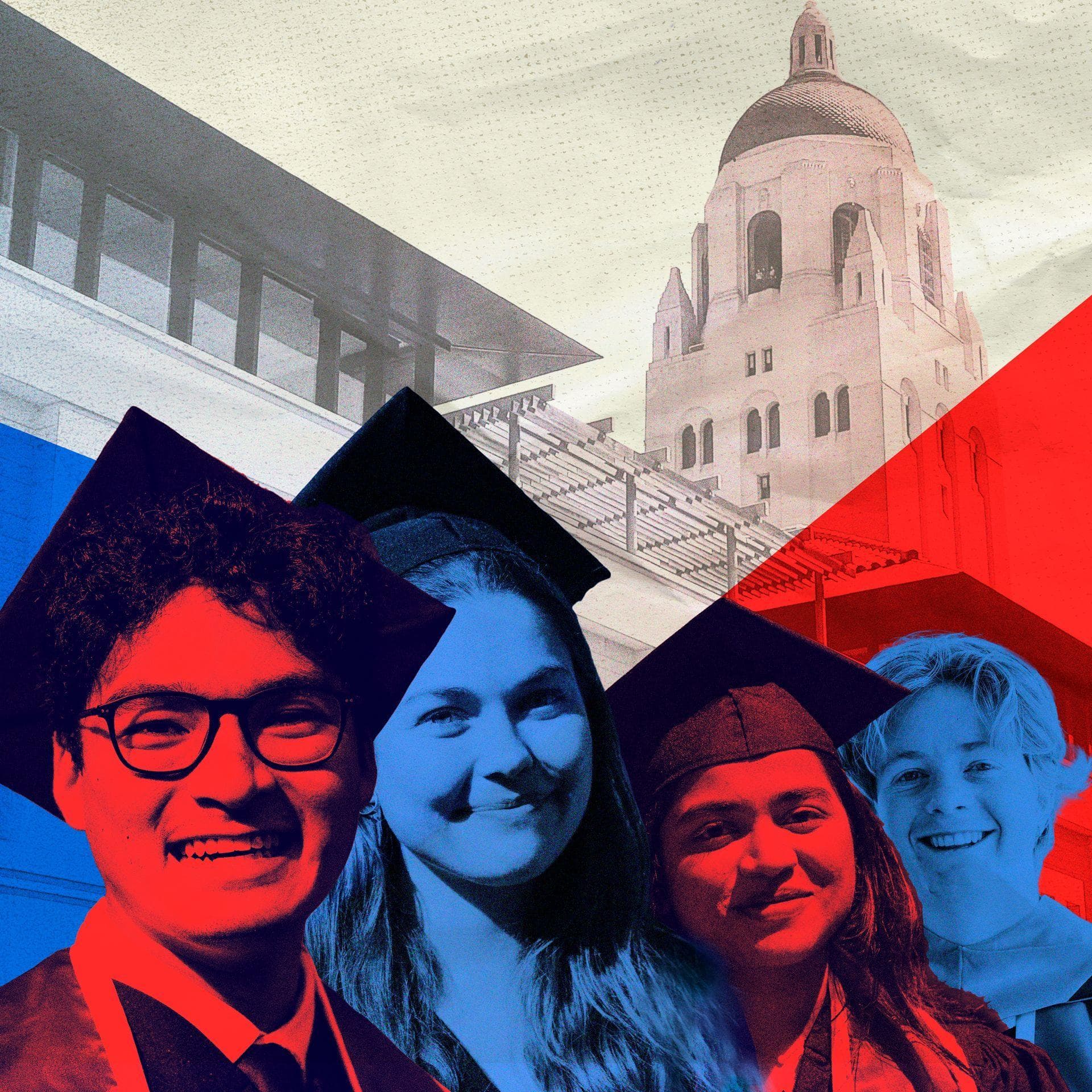
Students walked out during Google chief executive Sundar Pichai’s June 14 commencement appearance at Stanford University, even as the school pushes faculty and students to rethink how artificial intelligence fits into teaching.
In May, Stanford education experts said AI was here to stay and launched a $1 million seed-grant initiative for faculty, students and staff to design evidence-based ways to use it in college teaching. Campus leaders said the goal was not to retreat from the technology, but to debate its uses and risks with more honesty as generative tools become routine in classrooms, internships and entry-level jobs.
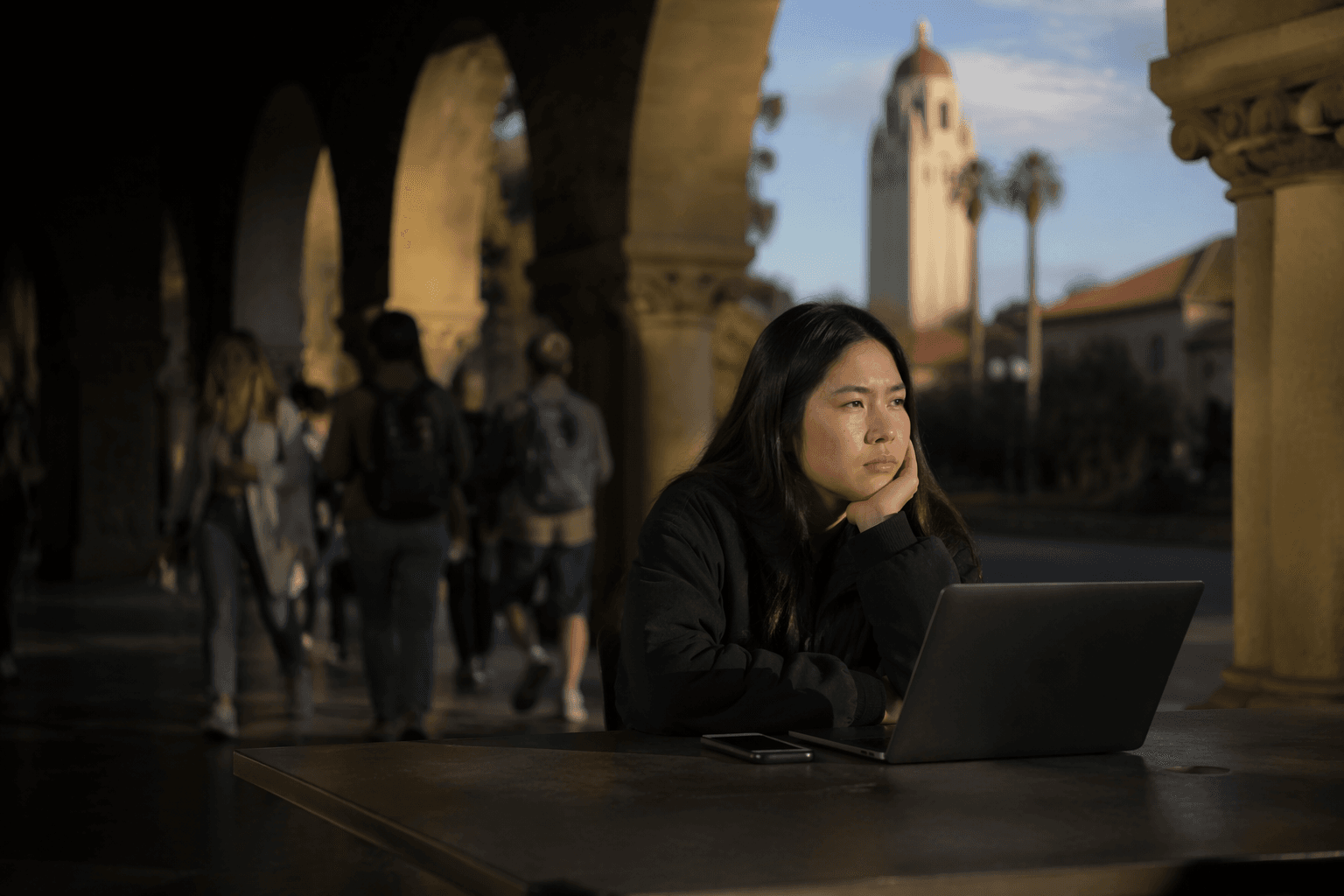
Stanford’s 2026 AI Index found that 88% of organizations reported adopting AI, and that 4 in 5 university students now use generative AI. The index also found that the U.S.-China gap in frontier model performance has effectively closed, while noting that the gains from AI may not be spread evenly. On the research side, the center of gravity has shifted further toward industry, where the biggest models are now being built and deployed.
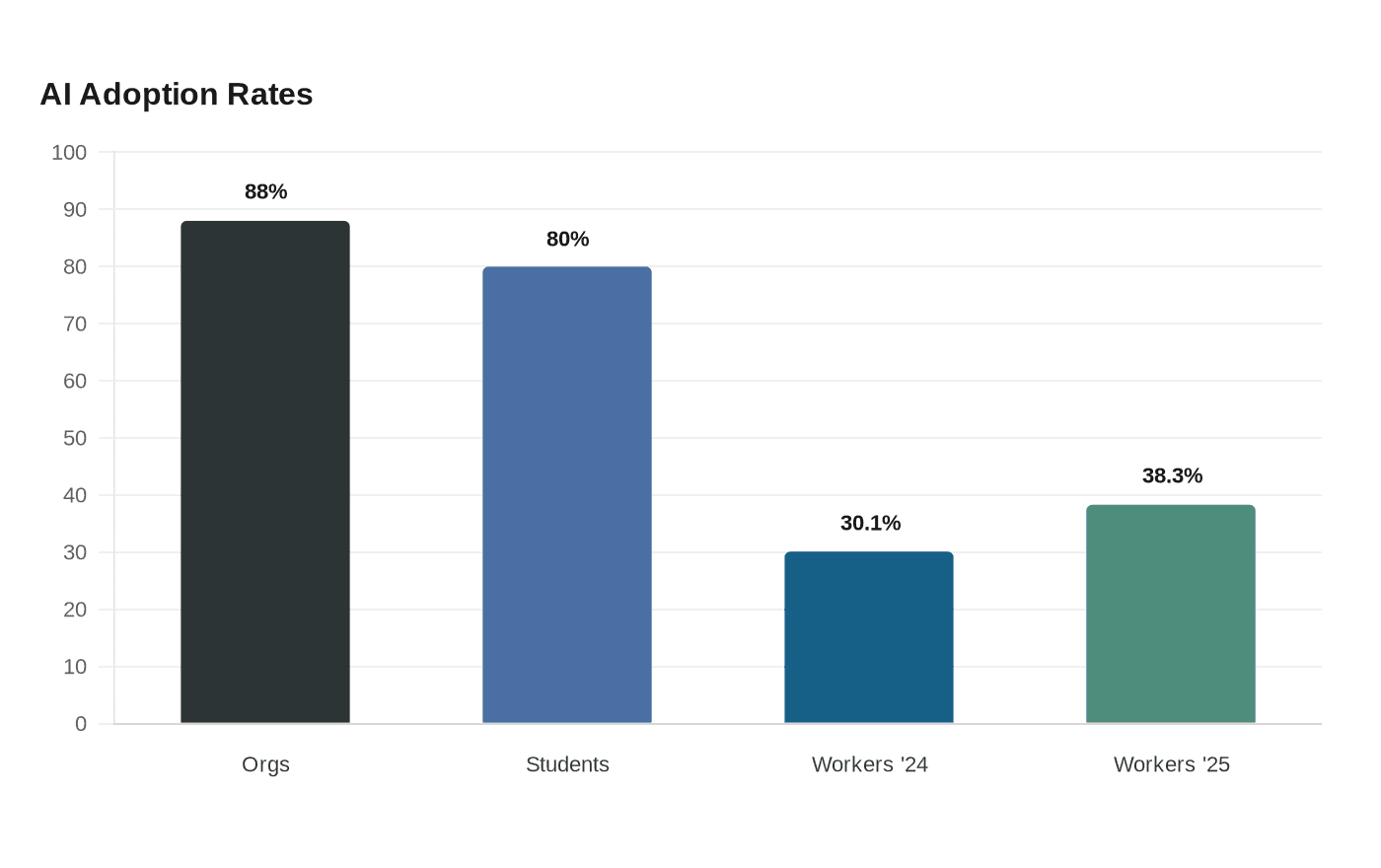
The labor market picture is more mixed. A Stanford paper on generative AI use found adoption among U.S. workers rose from 30.1% in December 2024 to 38.3% in December 2025, and that use was most common among younger, more highly educated and higher-income workers. Another Stanford Graduate School of Business working paper found that a generative-AI assistant boosted productivity by 14% on average for 5,179 customer-support agents, with a 34% gain for novice and low-skilled workers.
But a separate Stanford labor-market analysis found employment for early-career software developers ages 22 to 25 had fallen by nearly 20% from its late-2022 peak. That helps explain why some Stanford graduates now see a computer science degree less as a guaranteed ticket into Silicon Valley and more as a credential entering a more uncertain hiring market, where pay, job titles and first roles are all under pressure.
Ifdita Hasan, a graduating computer science and AI major, was among the students who remained hopeful. “I feel optimistic about AI,” she said. Others on campus sounded far less certain.
This article was produced by Prism’s automated news system from verified source data, official records, and press releases, then run through automated quality and moderation checks before publishing. The system is built and supervised by the people who set the standards it runs under. Read our full AI policy.
Know something we missed? Have a correction or additional information?
Submit a Tip