Starbucks expands in Nashville, sharpening Seattle business climate fears
Starbucks' $100 million Nashville bet put a Seattle mayor's anti-inequality agenda on the defensive.
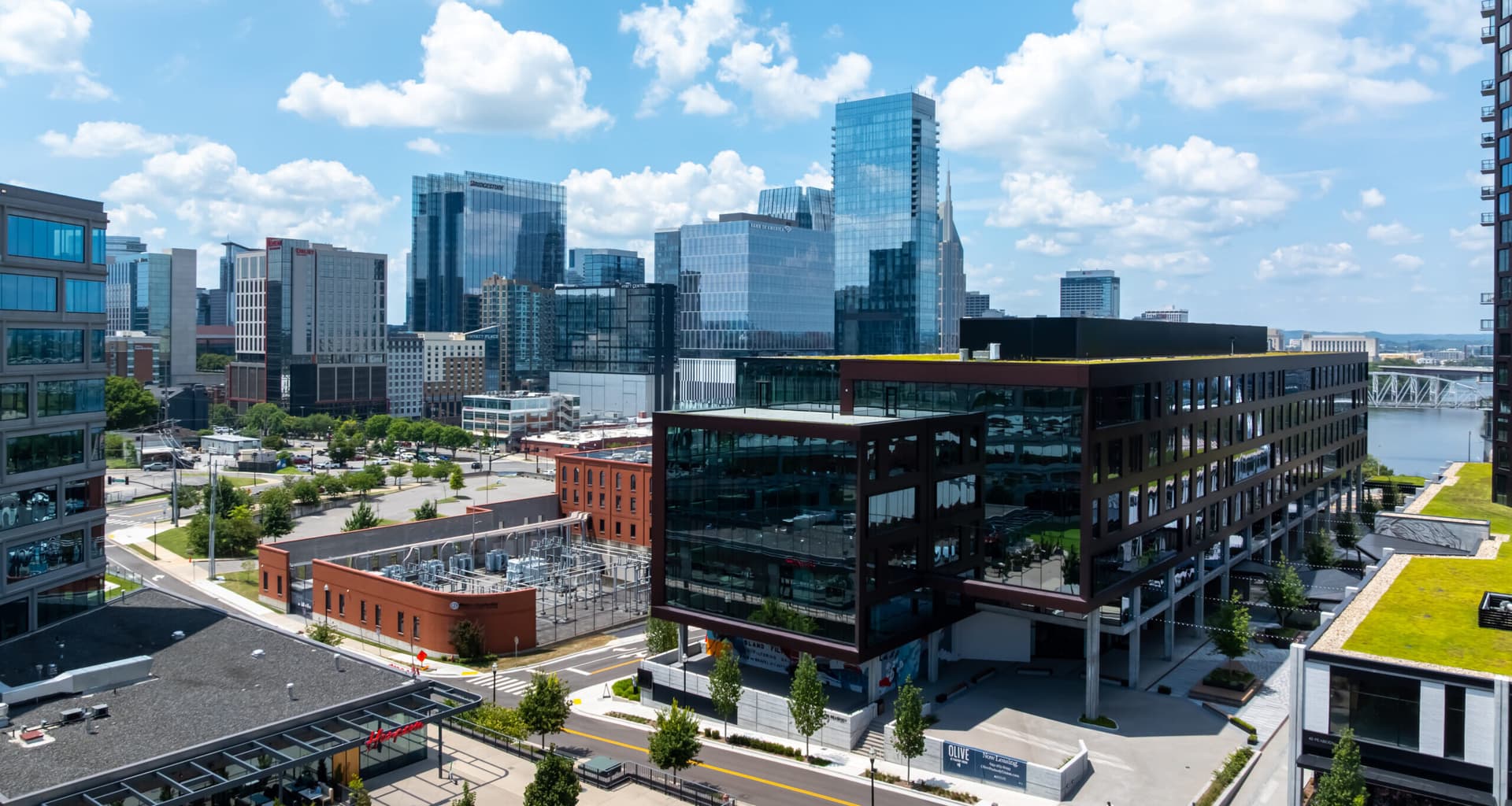
Seattle’s fight over taxes, jobs and affordability widened this spring when Starbucks chose Nashville for a $100 million Southeast corporate office and said the new site could hold up to 2,000 support jobs over five years.
For Mayor Katie Wilson, who was elected in November 2025 and took office in January 2026, the move landed in the middle of a broader political test. Wilson has cast her administration as a response to Seattle’s affordability crisis, saying she wants to make the city “more hopeful, more just, and more equitable.” But she entered office facing budget trouble, empty storefronts and growing questions about whether the city could stay attractive to major employers while pushing harder on inequality.
Starbucks said the Nashville office would complement its Seattle headquarters and that the majority of support teams would remain in Seattle. Even so, the decision sharpened fears among business leaders and critics that a more aggressive tax and regulatory climate could send investment elsewhere, especially as Seattle tries to prove that taxing wealth can deliver concrete gains without driving away jobs.

The tension has been building for months. After her narrow victory, Wilson joined striking Starbucks workers on the picket line and urged a boycott of the company. Howard Schultz, Starbucks’ founder, later blasted Wilson’s “socialist rhetoric,” arguing that Washington and Seattle were becoming hostile to business.
That clash now sits alongside Washington’s new 9.9% tax on income above $1 million, which Governor Bob Ferguson signed on March 30, 2026. The tax is set to take effect on January 1, 2028, and has already drawn backlash, legal challenges and warnings that wealthy residents could leave the state. Wilson has brushed off those alarms, saying the fears are overblown and answering critics with a blunt “bye,” a line that has come to symbolize the city’s larger political divide.

Seattle City Council members and other local leaders have framed Wilson’s win as a mandate to tackle affordability and restore confidence in a city still wrestling with the post-pandemic economy. But Starbucks’ expansion in Tennessee has given that debate a national edge, turning Seattle into a test case for whether left-leaning city hall can make life more affordable for residents without pushing marquee employers to build their next growth story somewhere else.
This article was produced by Prism’s automated news system from verified source data, official records, and press releases, then run through automated quality and moderation checks before publishing. The system is built and supervised by the people who set the standards it runs under. Read our full AI policy.
Did this article answer your question?

