Starbucks Korea apologizes again after backlash over Gwangju-linked campaign
A Starbucks tumbler promo tied to Gwangju ignited boycott calls, forcing a second apology from chairman Chung Yong-jin and a sales slump.
Starbucks Korea’s “Tank Day” tumbler promotion did more than miss the mark. By landing on the anniversary of the May 18 Gwangju Democratization Movement, it touched a raw national memory of the 1980 uprising in Gwangju, where pro-democracy protesters were crushed by the military government led by Chun Doo-hwan between May 18 and May 27. In South Korea, that history is not a distant backdrop. It remains a defining wound in the country’s democratic struggle, which is why phrases and imagery many Koreans read as echoing the crackdown quickly turned a marketing campaign into a political firestorm.
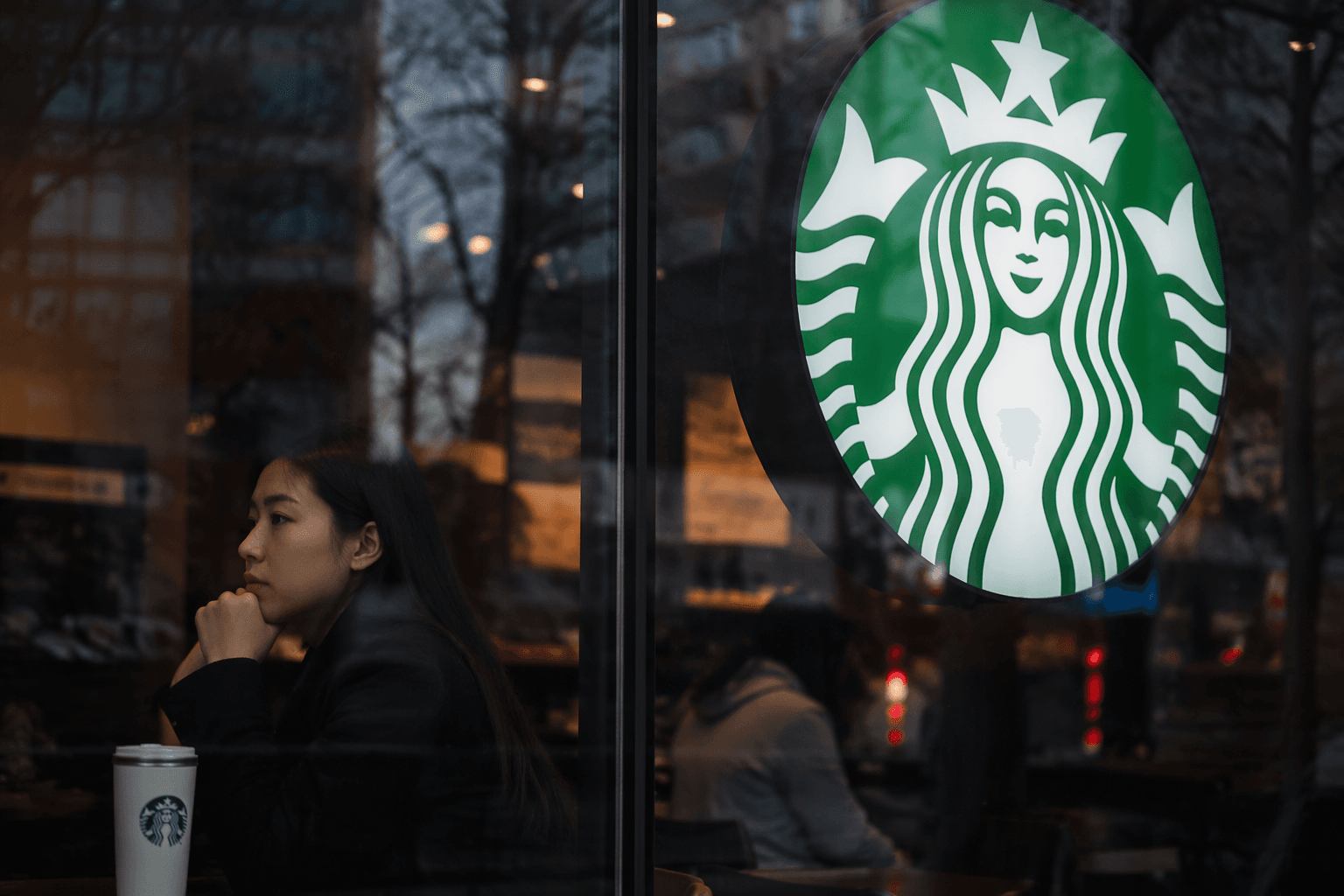
The backlash moved fast. Starbucks Korea and its parent, Shinsegae Group, issued apologies after the campaign triggered outrage, and Shinsegae dismissed Starbucks Korea’s chief executive as the criticism escalated. Chung Yong-jin, the Shinsegae chairman, followed with a second apology on May 26, 2026, underscoring how quickly the episode had outgrown a routine branding mistake. Starbucks Korea later said its sales had suffered a “very significant” drop after the public outcry and boycott calls that followed.
President Lee Jae Myung added state pressure to the corporate damage. He criticized the campaign publicly on X, calling it unacceptable and demanding accountability. His office and other political voices framed the issue not just as tone-deaf advertising, but as a failure to respect the victims and families tied to one of South Korea’s most consequential democratic flashpoints. The criticism reflected how deeply the Gwangju Uprising, now widely regarded as a pivotal moment in the country’s democratization, still shapes public expectations for corporate conduct.
The episode has also reopened a broader question for multinational brands and their local partners: whether such failures are isolated lapses or evidence of a deeper blind spot in how global companies interpret national trauma. In this case, the answer will be measured not only by apologies and personnel changes, but by whether Starbucks Korea can rebuild trust in a market where memory politics carry commercial consequences as well as moral ones.
This article was produced by Prism’s automated news system from verified source data, official records, and press releases, then run through automated quality and moderation checks before publishing. The system is built and supervised by the people who set the standards it runs under. Read our full AI policy.
Did this article answer your question?
%3Amax_bytes(150000)%3Astrip_icc()%2FCertificate-of-deposit-2301f2164ceb4e91b100cb92aa6f868a.jpg&w=1920&q=75)
