Starbucks Korea closes all stores early for sensitivity training after backlash
Starbucks Korea shut all 2,160 stores early for mandatory sensitivity training after a campaign tied to Gwangju triggered boycotts, protests and political fury.
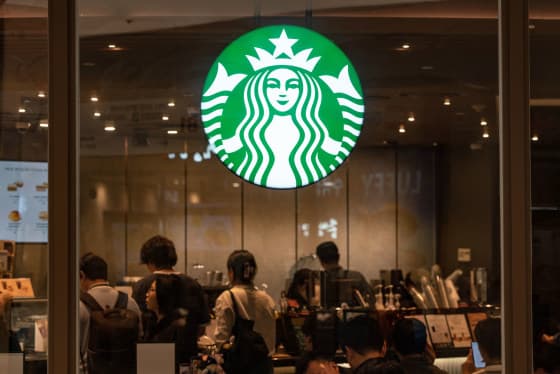
Starbucks Korea closed every store in the country at 3 p.m. on June 22, turning a marketing blunder into a nationwide operational reset. The company ordered mandatory training on historical awareness and social sensitivity after a promotional campaign set off anger over imagery and phrases many South Koreans said mocked victims of the 1980 military crackdown in Gwangju.
The backlash centered on a tumbler promotion launched on May 18, the anniversary of the Gwangju Uprising. Critics objected to phrases including “Tank Day” and “Knock on the desk,” saying they invoked the military vehicles and repression associated with the crackdown on pro-democracy protesters. The campaign was scrapped within hours, but the damage spread quickly beyond social media, driving boycott calls, public protests and political criticism.

The closure affected about 2,160 Starbucks stores nationwide and was described by Korean media as the first time since the chain opened its first Korean store in 1999 that all domestic outlets had shut early at the same time for a specific training session. That scale matters because South Korea is Starbucks’ largest market outside the United States and China, making the episode more than a local embarrassment. It exposed how a single tone-deaf campaign can ripple through a brand’s entire operating model.
The company’s response had already turned punitive. Starbucks Korea’s local chief was dismissed on May 19, and executives later issued public apologies as the boycott hit revenue. The company also reported a sharp sales decline after the backlash, underscoring how quickly symbolic misjudgment can become a financial problem. The fallout reached government offices and civic groups, with some institutions refusing Starbucks vouchers and drinks.
The episode has become a case study in corporate oversight and franchise discipline. Shinsegae Group, which operates Starbucks Korea, was forced to move from promotion to damage control in a matter of days, then from damage control to compulsory retraining across every store. In a market where historical memory remains politically and emotionally sensitive, especially around the May 18 Gwangju Uprising, the cost of getting symbolism wrong proved immediate, public and nationwide.
This article was produced by Prism’s automated news system from verified source data, official records, and press releases, then run through automated quality and moderation checks before publishing. The system is built and supervised by the people who set the standards it runs under. Read our full AI policy.
Did this article answer your question?