Starmer faces crisis over Mandelson vetting and Epstein ties
Mandelson passed into Washington despite failed vetting, and the cover-up questions now reach Starmer himself.
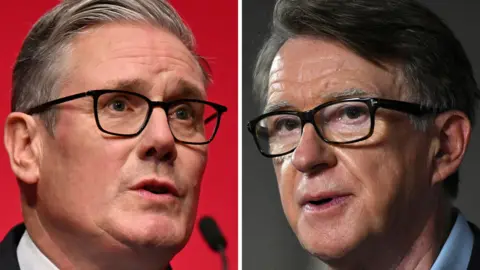
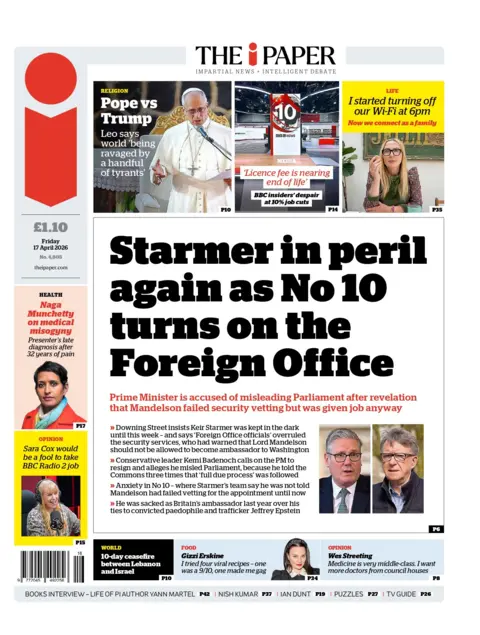
Keir Starmer is facing a test of command, not just a staffing embarrassment, after Peter Mandelson was appointed UK ambassador to the United States in December 2024 despite failing Cabinet Office security vetting. The episode has turned into a broader judgment on whether 10 Downing Street and the Foreign, Commonwealth & Development Office exercised control, or allowed a politically sensitive appointment to outrun the safeguards meant to protect it.
The pressure has intensified because Mandelson was later dismissed as ambassador in September 2025 after fresh emails about Jeffrey Epstein emerged. That final blow did not end the story. Instead, it sharpened questions about what Starmer knew, when he knew it, and whether Parliament was given a full account. He is now expected to address MPs about the affair, with opposition parties pressing for answers and raising the prospect of further accountability.
At the centre of the row is the claim that the Foreign Office overruled the failed vetting decision and moved ahead anyway. The government has since said it will review the national security vetting system and, in future, will not announce diplomatic appointments until security vetting is complete. That pledge is an admission that the process broke down at a senior level, with consequences far beyond one appointment. It suggests a Whitehall culture in which political urgency overrode institutional caution.

The fallout has already reached the top of the diplomatic machine. Sir Oliver Robbins, the Permanent Under-Secretary at the FCDO, has been removed from his role after Starmer and Foreign Secretary Yvette Cooper lost confidence in him. His departure underlines how far the episode has spread through the machinery of government, from vetting officials to ministers and the prime minister’s own office. This is no longer a narrow dispute over one man’s suitability; it is a test of whether the government can enforce discipline across its own ranks.
Parliament is demanding the papers behind the appointment, including due-diligence material, conflict-of-interest forms, vetting inputs, communications with ministers and officials, and details of any payments made on Mandelson’s departure. Kemi Badenoch and other critics are calling for greater accountability, while Starmer faces awkward questions over whether the Foreign Office told 10 Downing Street everything it knew. For a government that has tried to project seriousness and control, the Mandelson affair has become a measure of its authority, its judgment and its stability at the top.
Know something we missed? Have a correction or additional information?
Submit a Tip