Starmer Faces Labour Challenge Rules as Pressure Mounts After Local Election Losses
Labour’s rules give Starmer a high bar to clear: any challenger needs 81 MPs, and if that happens his name goes straight on the ballot.
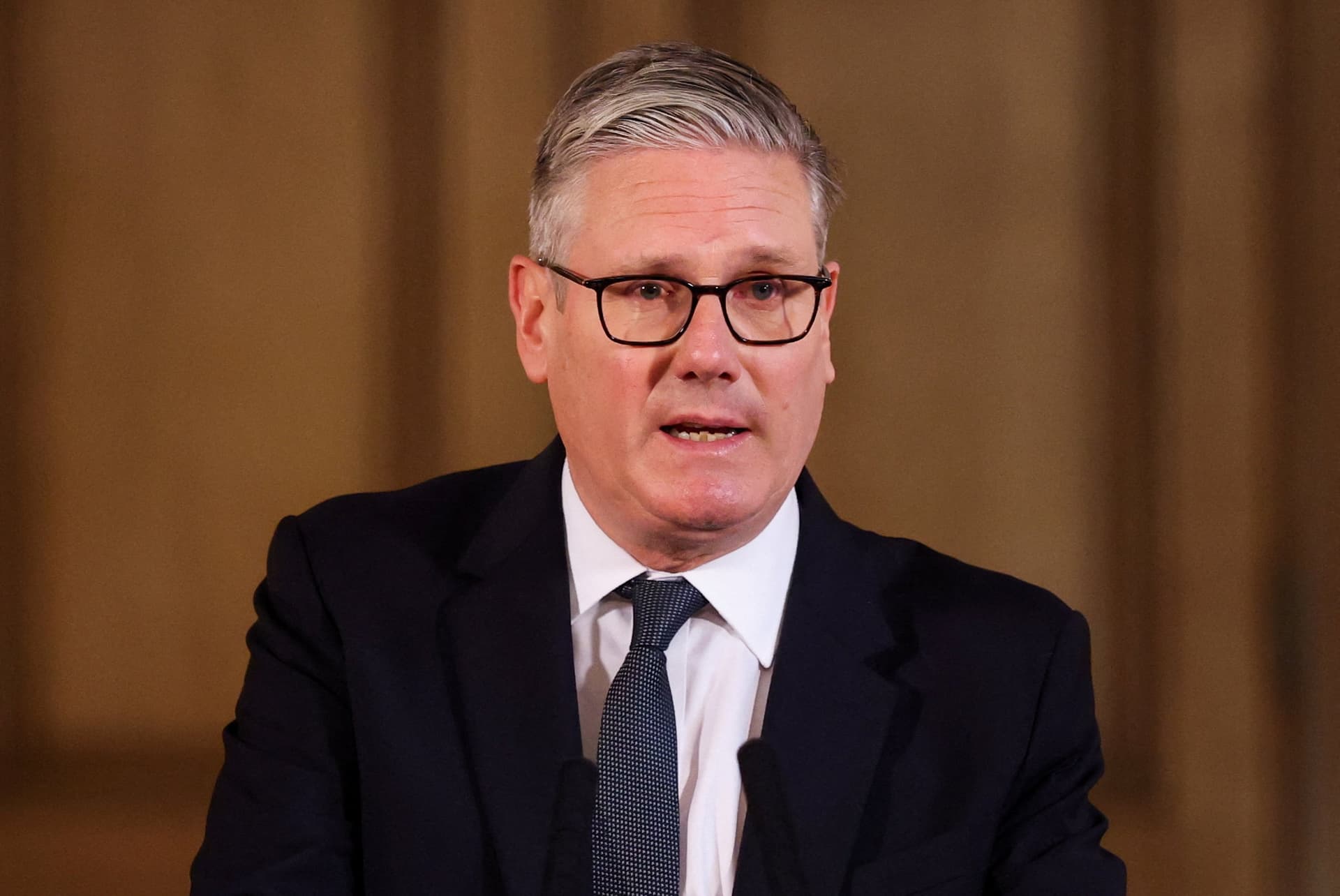
Keir Starmer is facing more than anger over local election losses. He is facing the arithmetic of Labour’s leadership rules, and those rules make any internal move against him a test of whether opponents can gather enough MPs to turn pressure into a real challenge.
Under the current system, a challenger to an incumbent Labour leader must be nominated by at least 20% of Labour MPs. With Labour’s present parliamentary numbers, that works out to about 81 MPs. Once that threshold is reached, the sitting leader is automatically on the ballot and does not have to seek nominations from MPs again. In other words, if Starmer’s critics can assemble the numbers, the contest becomes immediate and unavoidable.
The bar is higher than it used to be. Labour raised the nomination threshold from 10% to 20% in 2021, making it much harder to force a sitting leader into a contest. That change now works in Starmer’s favor, because it turns a wave of anger into a much steeper organizational climb. It also means his refusal to resign matters politically: he is not just dismissing criticism, he is compelling would-be rivals to show they can command a large bloc inside the parliamentary party.

The pressure sharpened after the May 2026 local elections, when Labour suffered heavy losses and Reform UK made major gains. The results were treated across Westminster as an unofficial referendum on Starmer’s leadership, with Nigel Farage’s party using the fallout to deepen the sense that Labour was losing ground outside its core strongholds.
Starmer has been here before, at least in procedural terms. He was elected Labour leader in April 2020, winning 56.2% of first-preference votes in the first round against Rebecca Long-Bailey and Lisa Nandy. That mandate was real, but it came from a different political moment. If a challenge were to emerge now, the question would be whether his original victory still carries enough weight to stop his opponents from arguing that the party needs a fresh start.
Labour has moved quickly when vacancies have opened. The last deputy leadership contest, held in September and October 2025 after Angela Rayner resigned, showed that the party can organize a full internal election fast when the rules allow it. A leadership challenge is different. It requires numbers, discipline and a willingness to risk failure in public.
The closest historical parallel is Jeremy Corbyn. He survived a no-confidence vote in June 2016, then faced Owen Smith later that year and won re-election with 61.8% of the vote. For Starmer’s critics, that is the warning and the model. For Starmer, it is the reminder that leadership contests in Labour are not only about popularity. They are about whether an incumbent can keep enough of the party’s machinery, MPs and instincts on side to survive the next internal test.
Know something we missed? Have a correction or additional information?
Submit a Tip