Starmer faces Labour revolt as Biden comparison intensifies over leadership
Labour's local-election wipeout has triggered a revolt over Keir Starmer's future, with more than 80 MPs demanding a departure timetable. The Biden comparison now hangs over whether he is showing resolve or denial.
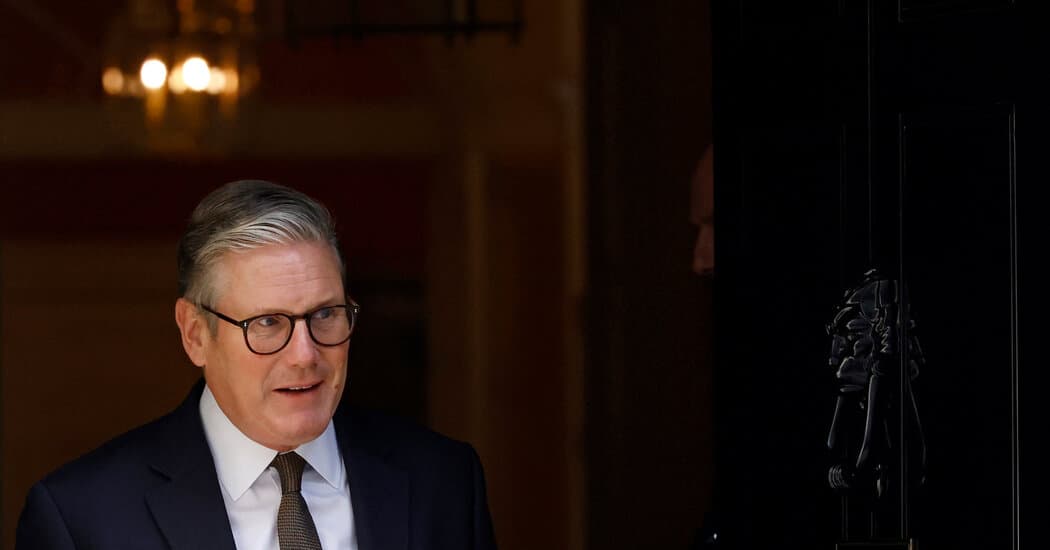
Keir Starmer is facing the kind of internal pressure that can turn a landslide into a warning label. After Labour's worst local-election losses on May 8, the prime minister has refused to step aside, told his cabinet he intends to keep leading, and insisted his government is a long-term project, not a leadership contest.
The scale of the backlash is stark. Labour lost 1,496 councillors and control of 38 councils, while Reform UK gained 1,451 councillors and took 14 councils. Those numbers landed just 22 months after Labour's July 2024 general-election victory, giving Starmer's critics fresh ammunition as they argue he has missed the signal coming from voters. More than 80 Labour MPs reportedly want him to set out a timetable for departure, while more than 100 others signed a counter-letter saying there is no time for a leadership contest. Several junior ministers resigned, deepening the sense of a party trying to decide whether discipline has become denial.
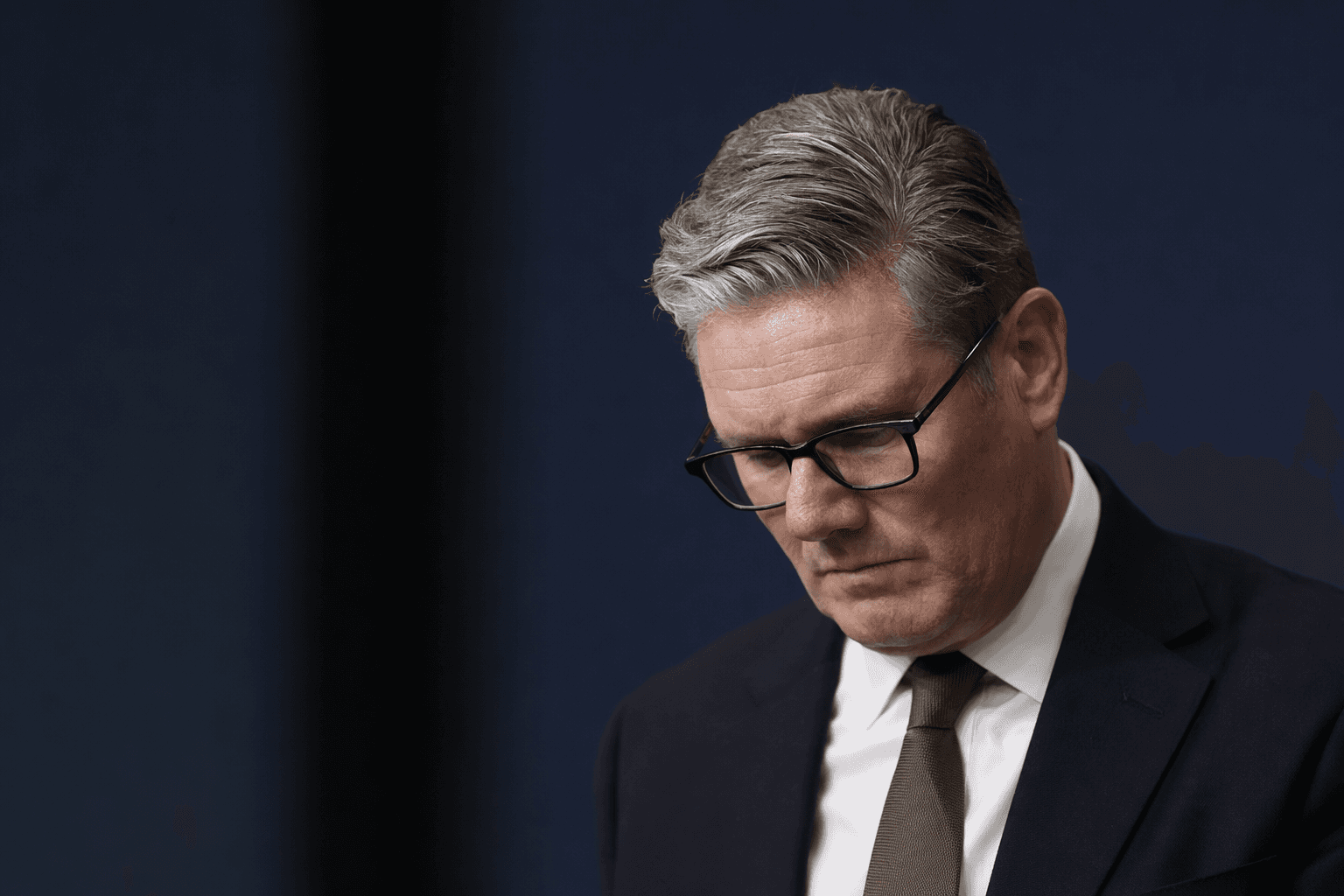
The comparison to Joseph R. Biden Jr. has sharpened because it taps the same anxiety: that a leader can wait too long to acknowledge political damage. Biden withdrew from the 2024 presidential race on July 21 after a disastrous June 27 debate with Donald Trump and weeks of Democratic pressure, becoming the first incumbent president in decades to end a reelection bid before Election Day. For Labour's rebels, the lesson is not subtle. They see a leader absorbing blow after blow while the party's standing erodes and rivals, especially Nigel Farage's Reform UK, gain momentum.
But the analogy only goes so far. Britain's parliamentary system does not allow the same slow, public collapse that surrounded Biden in Washington, and Starmer's supporters warn that forcing out a sitting prime minister without an agreed successor could bring chaos to the government and hand more momentum to Reform UK. That fear helps explain why some ministers and MPs are resisting the push for an immediate exit even as others say the party cannot simply wait for the damage to deepen.
What remains unresolved is whether Starmer's refusal to quit looks like steadiness or a refusal to read the room. With cabinet allies split, junior ministers gone, and Labour's local base shattered in councils across England, the party is now fighting over a more basic question than who leads next: whether holding on is an act of responsibility, or the start of a longer decline.
This article was produced by Prism’s automated news system from verified source data, official records, and press releases, then run through automated quality and moderation checks before publishing. The system is built and supervised by the people who set the standards it runs under. Read our full AI policy.
Did this article answer your question?