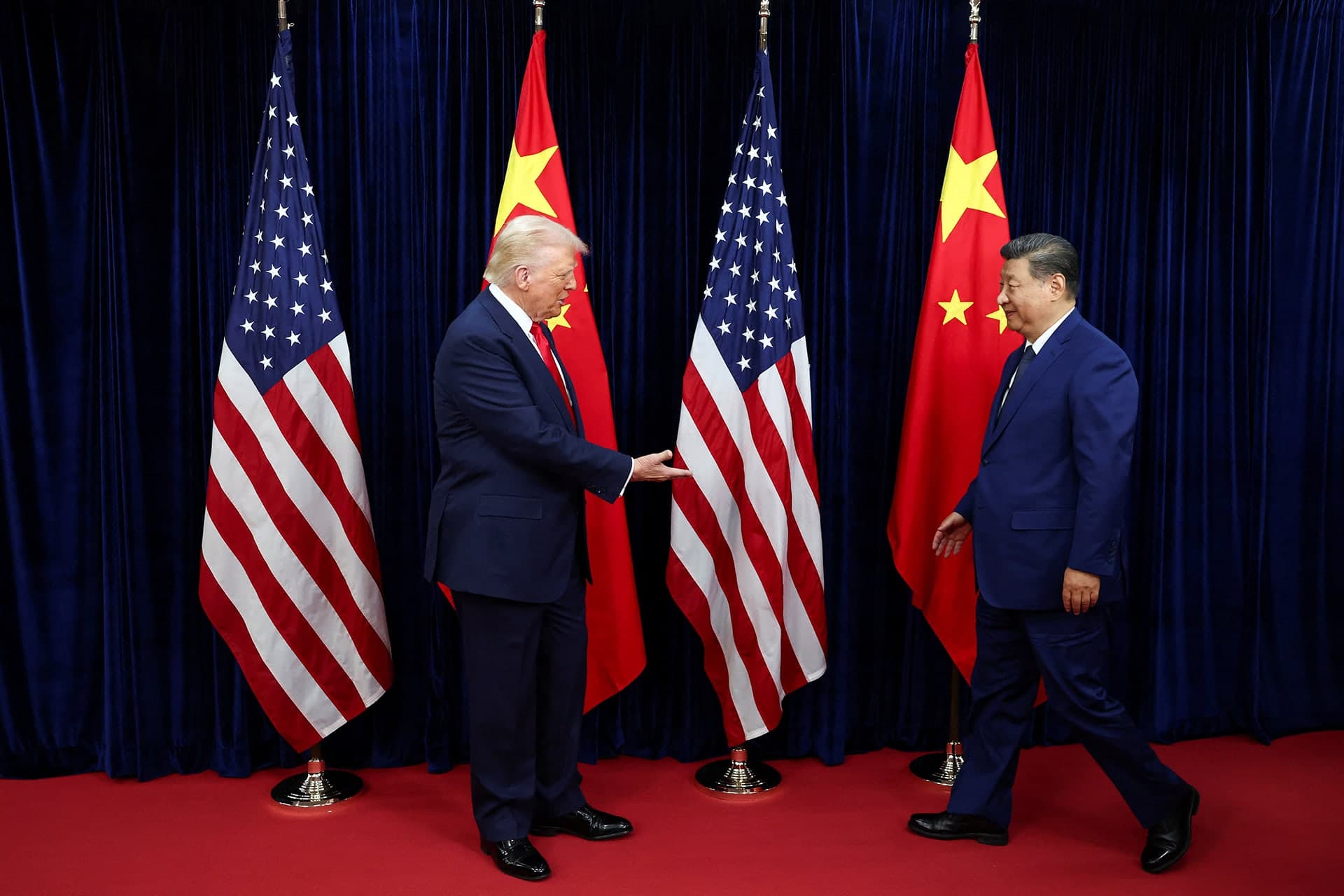
Trump and Xi meet in Beijing to extend fragile trade truce
Trump heads to Beijing with a narrow wish list: tariff relief, rare earths and Boeing sales. Xi holds the stronger cards on minerals, Taiwan and a fragile truce.
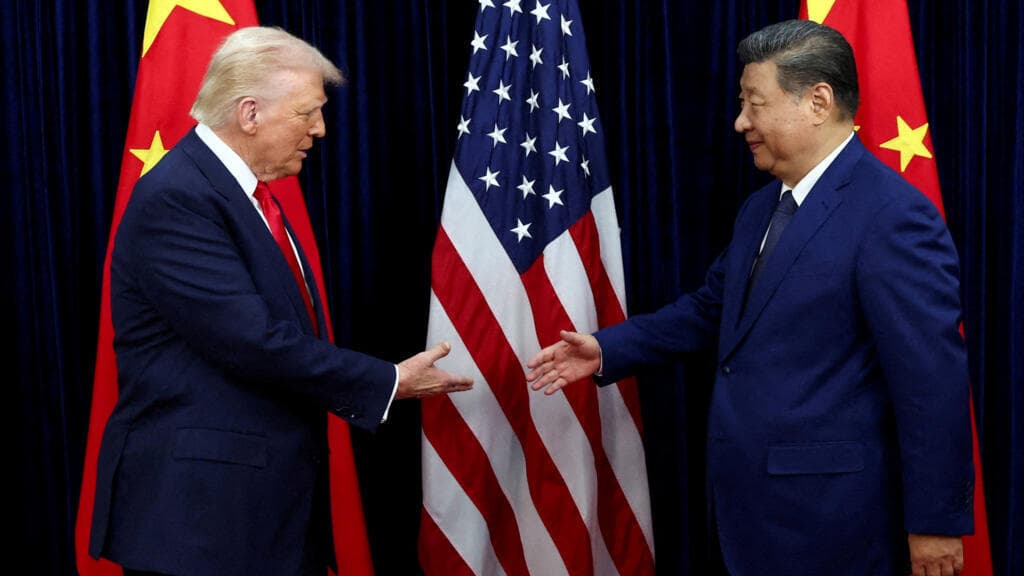
Donald Trump will arrive in Beijing with limited room to maneuver and a clear need to show that his trade truce with Xi Jinping can still hold. The two leaders are scheduled to meet on May 14 and 15, a summit that comes as the world’s two largest economies are still wrestling over trade, technology, Taiwan and the fallout from the Iran war.
The most realistic deliverables are narrow. Trump can offer modest tariff relief, softer enforcement language and a promise to keep talks moving. Beijing can respond with something Washington wants badly enough to count as progress, such as steadier shipments of rare earths, possible Boeing purchases and resumed buying of U.S. agriculture and energy goods. What neither side appears ready to grant is the kind of broad reset that would end the rivalry now shaping both economies.
Trump and Xi last met face to face in Busan, South Korea, on October 30, 2025, when they struck a tactical truce that cut U.S. tariffs on Chinese imports from 57% to 47% and trimmed fentanyl-related tariffs. China, in turn, promised to keep rare earth exports flowing and resume some purchases of U.S. goods. Even so, Chinese customs data show Beijing is still throttling shipments of key heavy rare earths, with exports of yttrium, dysprosium and terbium still down about 50% since controls imposed in April 2025. That matters because those minerals are essential to aerospace, defense, semiconductors and magnets.
The agenda in Beijing is expected to stretch beyond tariffs. Trade, Taiwan, Iran, artificial intelligence, nuclear weapons and rare earths are all on the table, and each carries its own leverage point. Taiwan’s foreign minister, Lin Chia-lung, said Taipei is confident in stable ties with Washington but hopes there are no “surprises” on Taiwan-related issues. Marco Rubio said last week there needed to be stability across the Taiwan Strait. For Beijing, Taiwan remains a pressure point; for Washington, it is a red line that can shape every other part of the conversation.
Analysts at the Brookings Institution and Georgetown said both sides have strong incentives to lower tensions and avoid an incident, but major breakthroughs look unlikely. Scholars at the Council on Foreign Relations said Beijing enters the summit with leverage because of its rare earth dominance and the broader geopolitical strain surrounding the talks, while Stimson Center experts warned that even small shifts in Taiwan language could carry outsized diplomatic consequences.
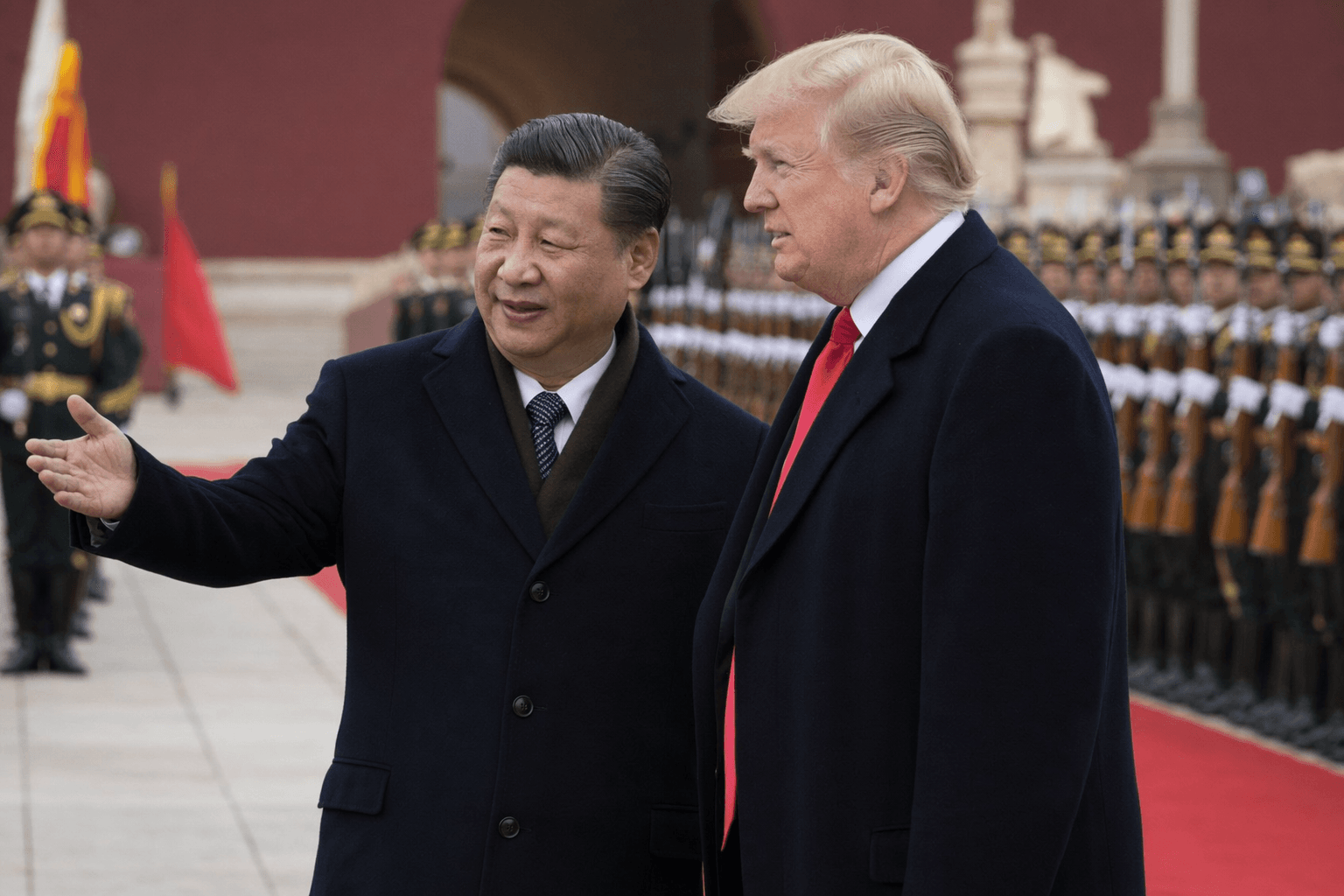
The stakes are heightened by the delegation around Trump. More than one dozen CEOs and top executives, including figures from Apple, Boeing, Citi, Tesla and Meta, are expected to join him, underscoring how much business leaders want clearer access and fewer restrictions. That is a sharp contrast with Trump’s 2017 China visit, when he toured the Forbidden City, dined privately there and left the Great Hall of the People with about $250 billion in business deals. This time, the prize is much smaller: preserve the truce, avoid surprises and keep the rivalry from hardening into something worse.
Know something we missed? Have a correction or additional information?
Submit a Tip