Starmer faces mounting Labour revolt after devastating local election losses
More than 70 Labour MPs were pressing Keir Starmer to go or set a timetable, turning the local-election rout into a test of whether his leadership is unraveling.
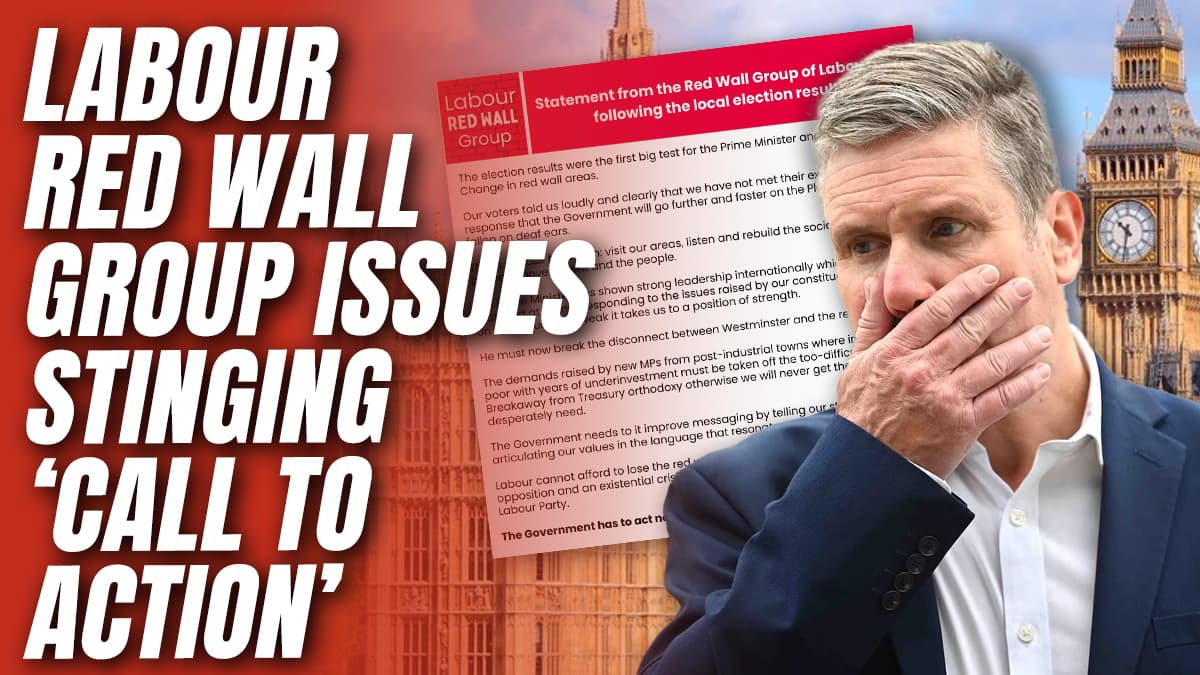
Keir Starmer faced a widening revolt inside Labour as ministers, aides and backbench MPs pushed him to set a timetable for departure after the party’s worst local-election performance on record. Shabana Mahmood was among the ministers said to be urging him to spell out a resignation plan, while more than 70 Labour MPs were reported to be calling on him to quit or announce how a leadership contest would unfold.
The pressure grew out of Labour’s disastrous results in the local elections held on Thursday, 7 May 2026, and declared on Friday, 8 May. Labour lost more than 200 councillors, while Reform UK won more than 300 seats, a swing that exposed anger over the government’s first months in office and handed Nigel Farage’s party a sharp warning shot to Labour’s heartlands. Starmer rejected immediate resignation calls and said he would stay in office, but the scale of the backlash turned a routine electoral setback into a question about whether his authority was already fraying.
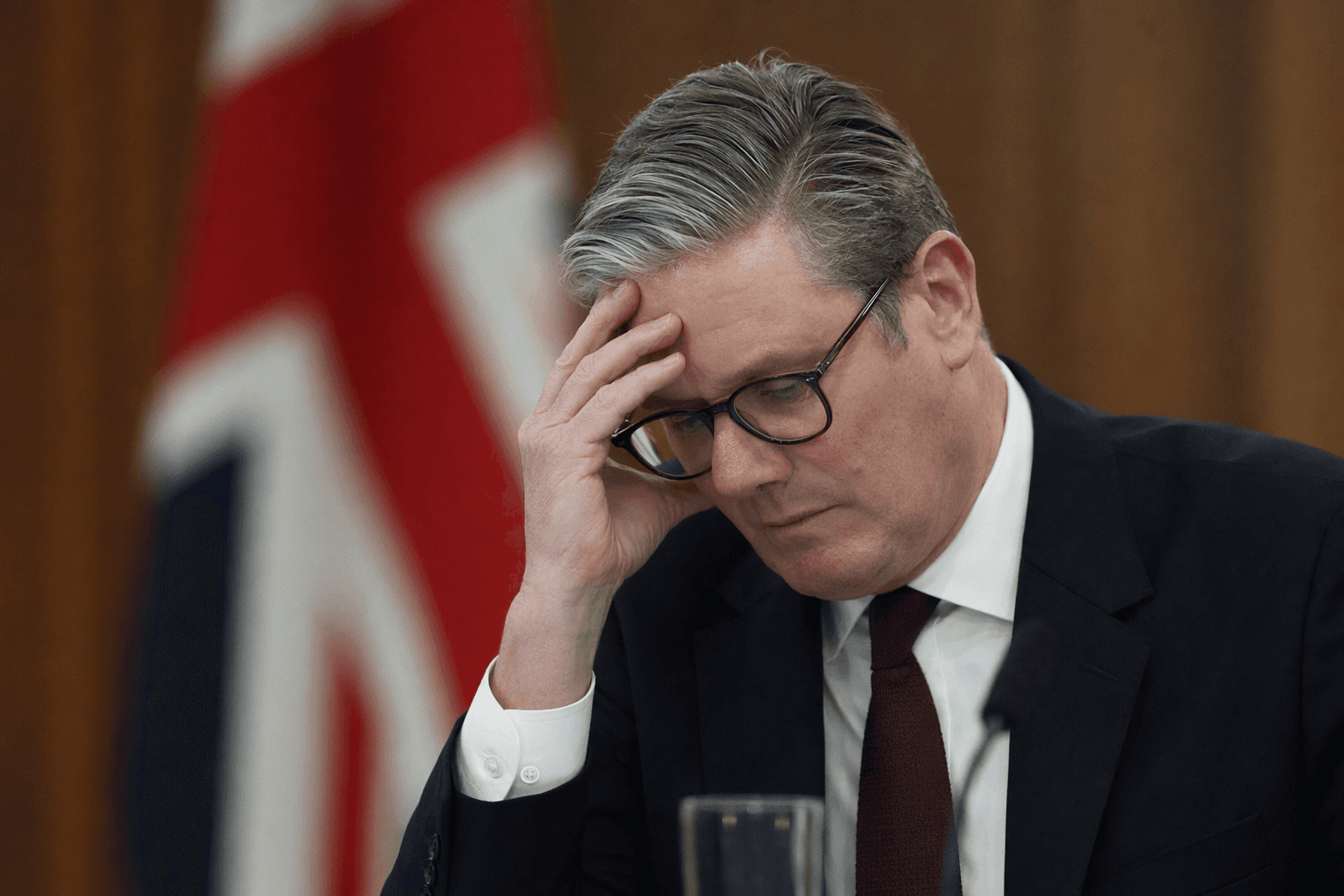
The most destabilizing sign for Starmer was that the revolt was not limited to the backbenches. The Telegraph said four ministerial aides quit frontbench roles to join the pressure, and reporting around LabourList showed the number of MPs publicly calling for Starmer’s resignation continuing to rise. That matters because aides and junior frontbenchers sit close to the machinery of government: their departures suggest the dispute has broken through the usual firewall between internal criticism and open administration-level rebellion.
The timetable being demanded would not amount to instant removal, but it would sharply narrow Starmer’s room to govern. Catherine West was reported to be collecting names to force a plan for choosing a new leader in September 2026, which would leave months of limbo over who really speaks for Labour and how firmly Starmer can direct the party into the next election cycle. CNBC said Starmer was preparing a major reset speech in an effort to regain control, a sign that Downing Street sees the crisis as both political and organisational.
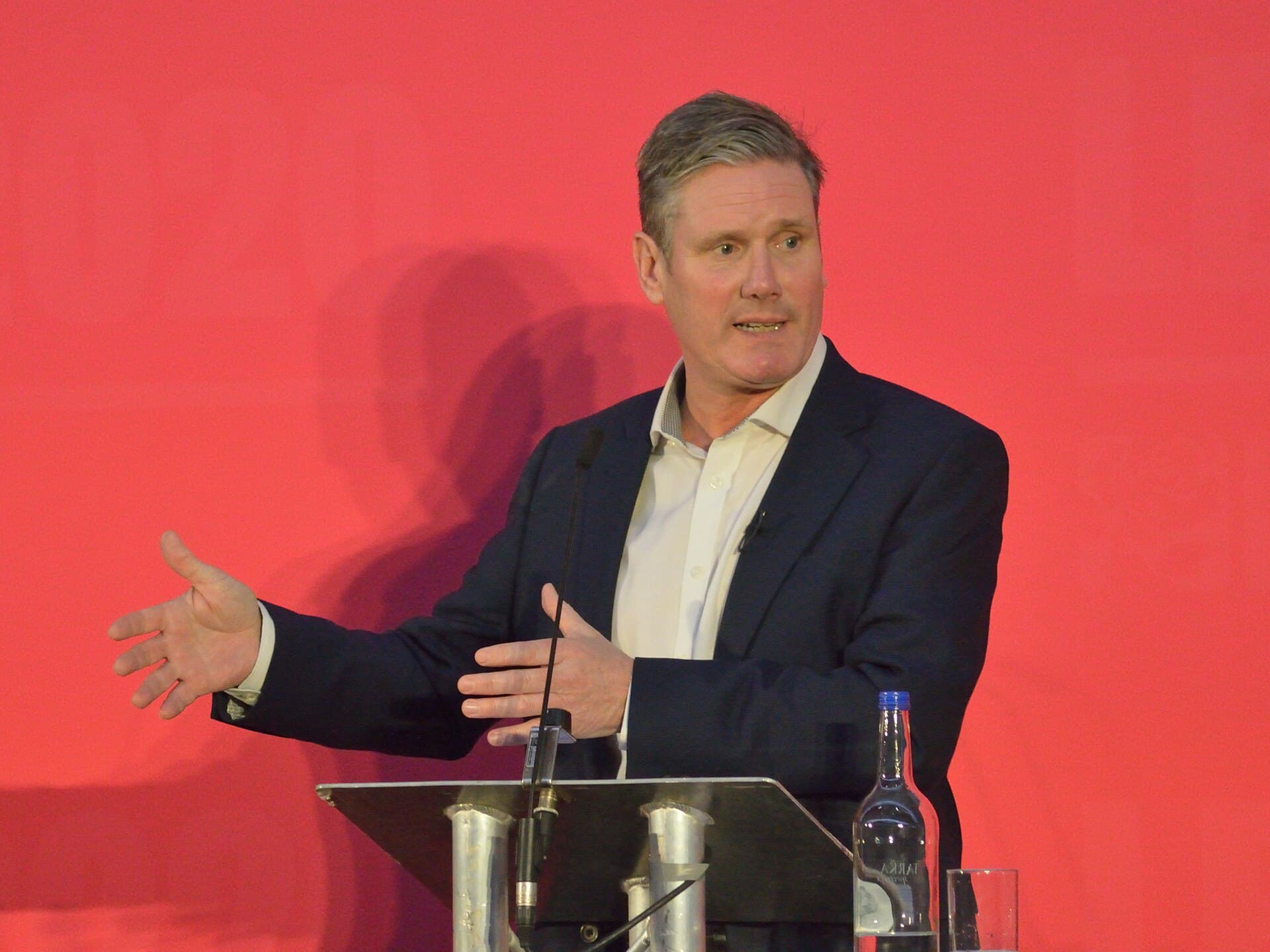
For U.S. readers, the significance is straightforward: local elections in Britain function as a midterm-style verdict on a national government, and Labour’s collapse has become a test of whether Starmer can recover before the party’s campaign message hardens around someone else. If the revolt fades, the episode may be remembered as post-election panic. If it deepens, Labour could spend the summer debating succession instead of governing.
Know something we missed? Have a correction or additional information?
Submit a Tip